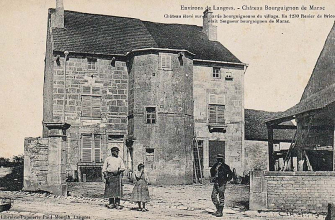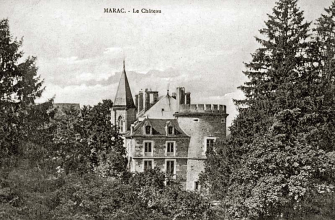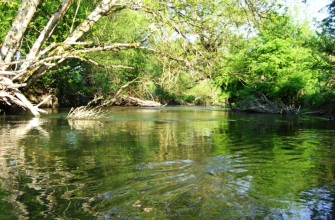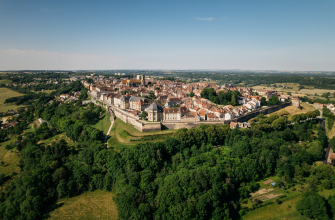
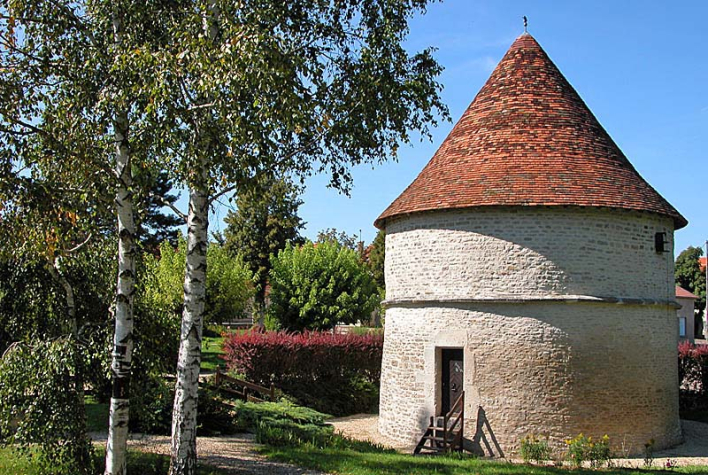
The village lies on the edge of the Roman road from Langres to Reims via Bar-sur-Aube, shortly after its separation at the Beauchemin exit from the road leading to Sens via Arc-en-Barrois. For a long time, the area was a marsh on the river Suize below the village, hence the name Marac itself, derived from the Celtic *Marco = wet place, a marsh that was still present in 1295, as can be seen in the act of "faith and homage" given to the bishop of Langres by Jean de Marac for his "castle".|The seigneury, which was initially private, belonged to Etienne de Marac in the early 12th century. However, having sold his share of the seigneury to the said bishop in 1230, it was now divided into two fiefs, one from Champagne and the other from Burgundy (both of which paid homage to the same bishop), dividing the village in two along a north-south provincial border, This was essentially a seigneurial and legal boundary, separating the domain of Arc to the west, which was dependent on the Duchy of Burgundy (the bailiwick of Châtillon-sur-Seine), from that of the County of Champagne to the north-east (the bailiwick of Langres), and from the domain of the bishops of Langres to the south-east (dependent on the provostry of Ormancey).

Visit available on the free Id-Vizit app!
Id-Vizit is your personal travel companion, offering personalised, fun and interactive tours!
+ More info on Id-Vizit
Circuit de découverte de Marac
Localisation : MARAC