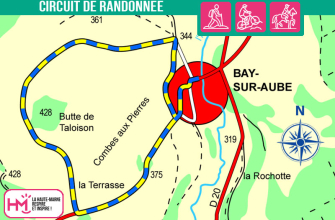
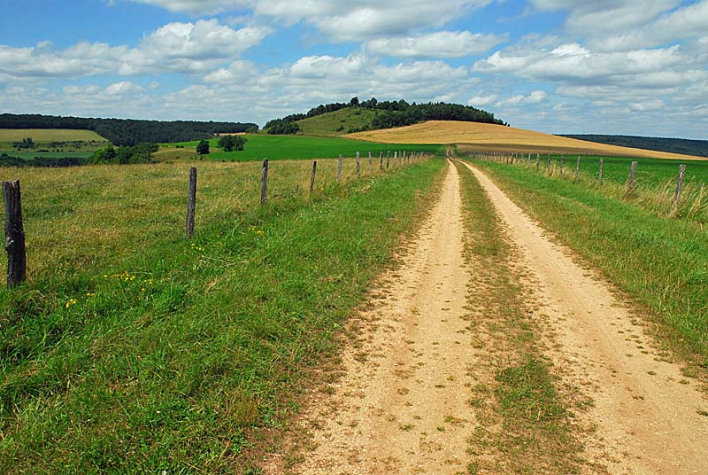
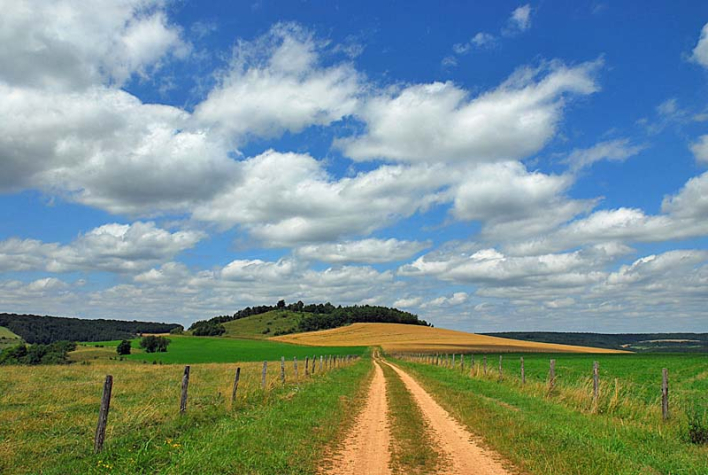
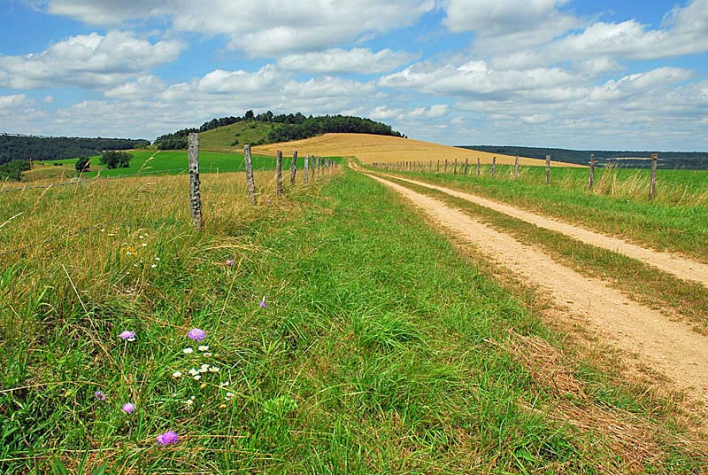
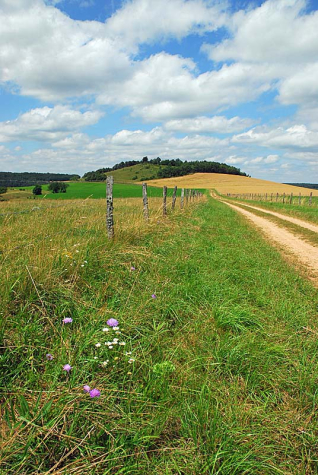
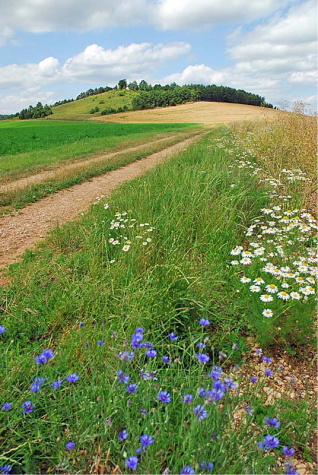
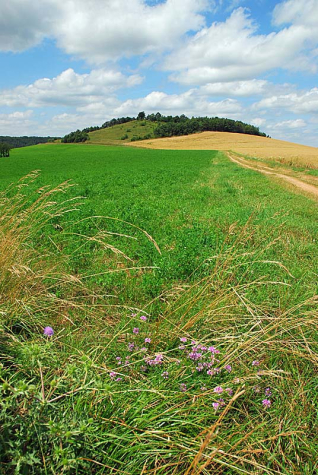
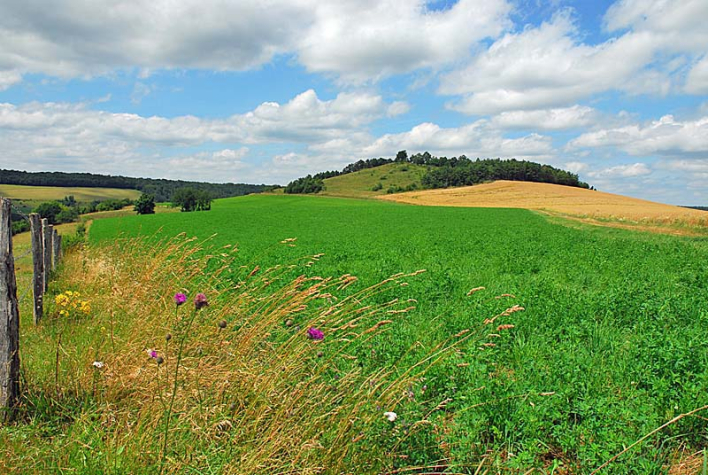
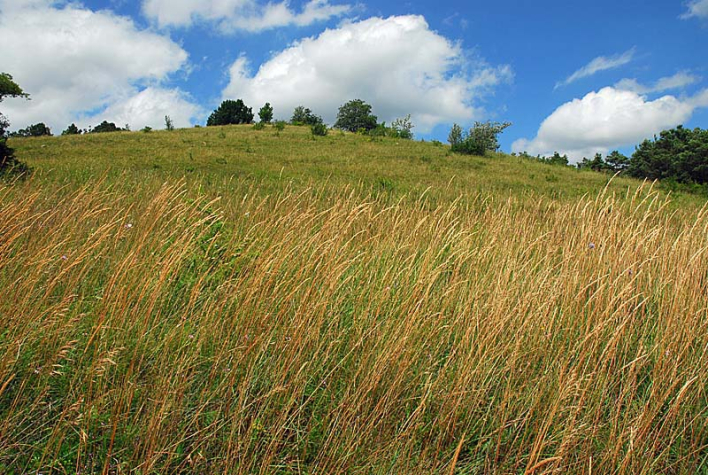
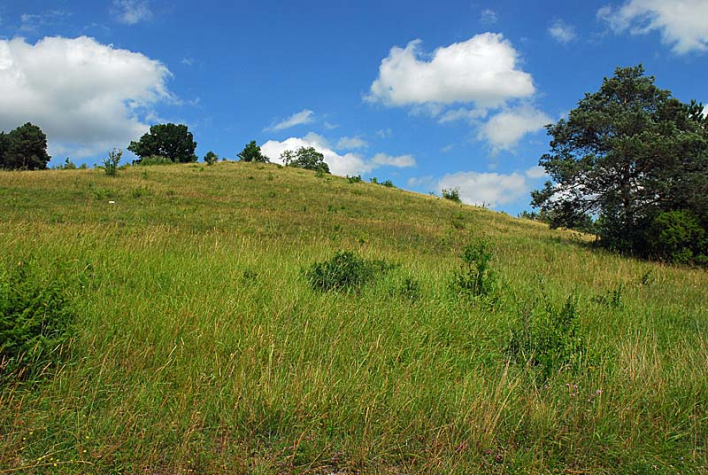
The Butte de Taloison is listed in the department's inventory of natural sites as "one of the major natural sites of the Langres Plateau and the Haute-Marne department". For centuries, this high point on the Langres Plateau (428 metres) was used as a grazing area for the local sheep and goats. This pastoral activity in these ungrateful surroundings helped to maintain the ecosystem. Due to the particular morphology of the highly permeable soil and subsoil, a flora has reappeared, made up of species adapted to drought and a high limestone content. Strangely enough, species from colder climates and others from the south are also present spontaneously.

Interpreted walks available on the free Id-Vizit app!
A real personal travel companion, Id-Vizit offers you personalised, fun and interactive tours!
+ More info on Id-Vizit
For nature lovers :
The Butte de Taloison grassland occupies one of the peaks of the Langres Plateau. More than thirty rare plant species of southern or central European origin can be found here, four of which are protected in Champagne-Ardenne (rock violet, bird's-foot sedge, alpine thistle and glaucous silene), one at national level (aster amelle) and seven on the regional red list of threatened plants. The entomofauna has the same biogeographical characteristics as some of the flora, with the wild wild blue (an endangered butterfly, protected at European level by the Bern Convention and included on the red list of endangered fauna in France), the blue oedipus and the stridulous psopher, which is very rare in Haute-Marne and known only from the Butte de Taloison. Once overgrown with scrub and more or less invaded by pine trees, the site has since been the subject of several renovation and enhancement projects, with ongoing management of the site (entrusted by the commune to the Conservatoire d'espaces naturels de Champagne-Ardenne).
Butte de Taloison