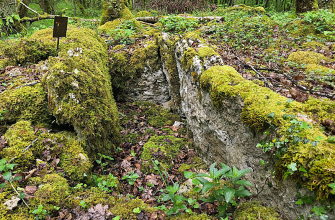
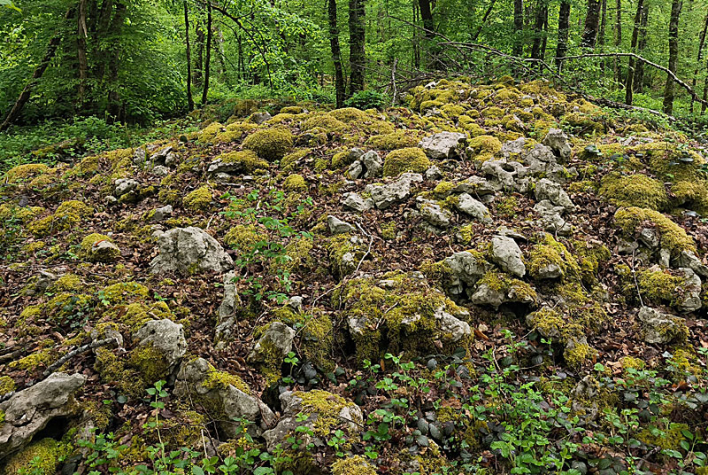
An extensive historic site, first occupied 3000 BC. Sheltered by the forest cover of the Heu massif, traces of human occupation stretch along the edge of the plateau and cling to the slopes of the Cuesta, revealing the basic features of ancestral life: enclosures, barred spurs, a necropolis made up of dolmens and burial mounds...
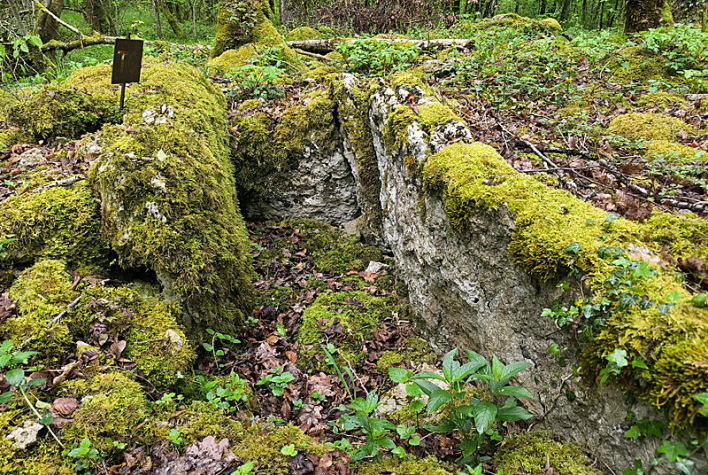
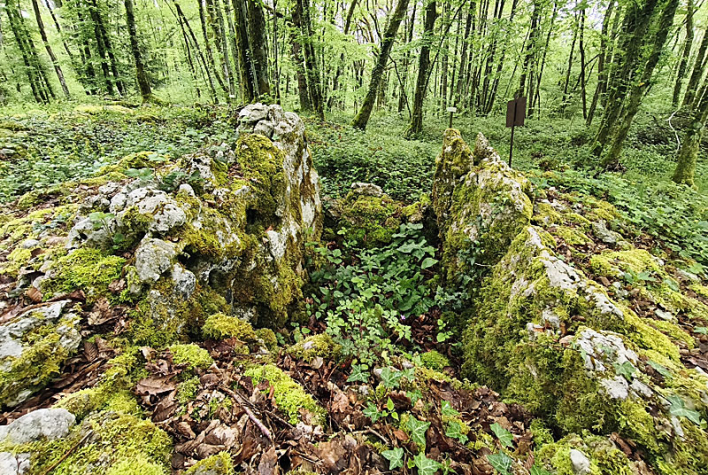
Most of the burial mounds cover a stone chest. These chests are made using several slabs arranged vertically in a rectangle and topped with one or more horizontal slabs.
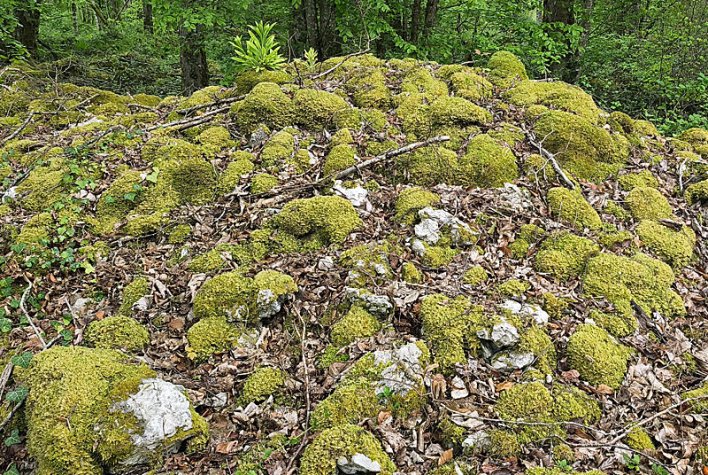
The chest is then covered with a mound of stones.
This mound of stones is called a cairn. Most of these cairns would originally have been 2 m high.
The average depth of stone chests is around 80 cm.
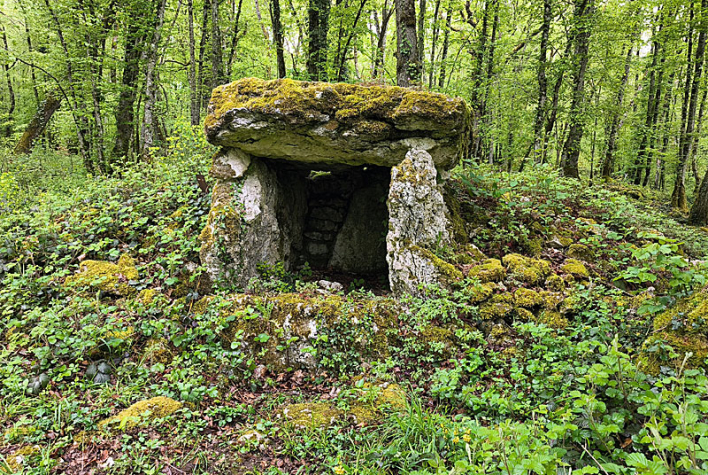
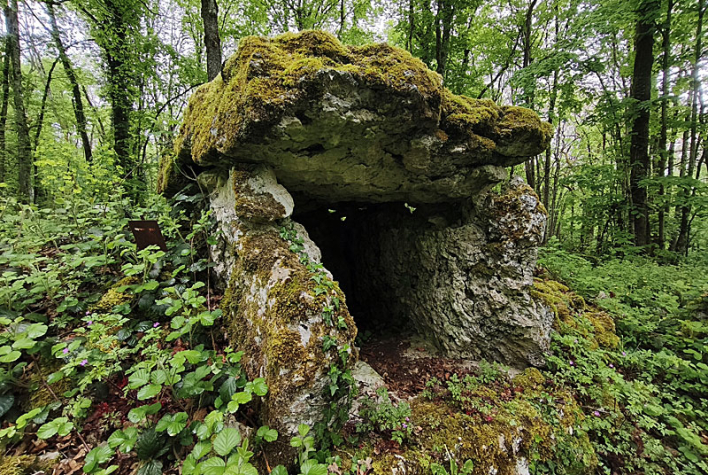
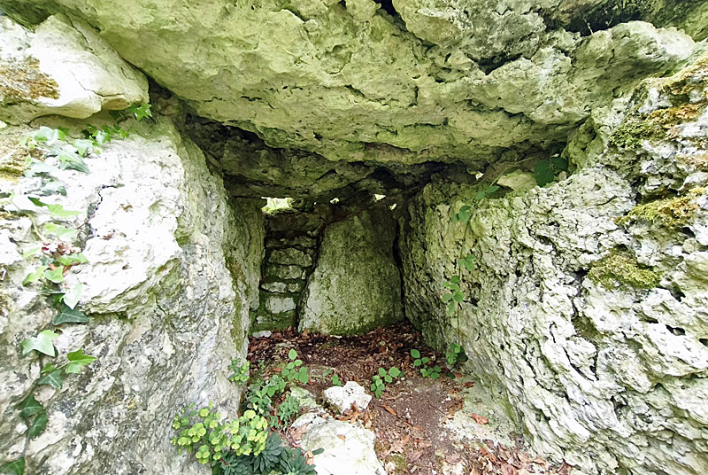
At the entrance to the necropolis is a slightly different monument, a real dolmen.
The chamber of this dolmen consists of two parallel pillars on which the upper slab, weighing two tonnes, rests.
Artefacts discovered during the excavations date the use of this dolmen back to the Neolithic period, and it was reused during the Bronze Age and the Middle Ages.

Discovery tour available on the free Id-Vizit app!
Id-Vizit is your personal travel companion, offering you personalised, fun and interactive tours!
+ More info about Id-Vizit
Site Néolithique de Fort Bévaux