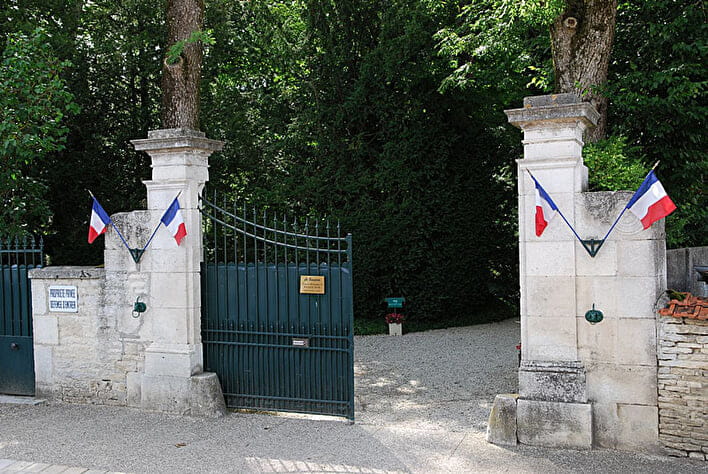
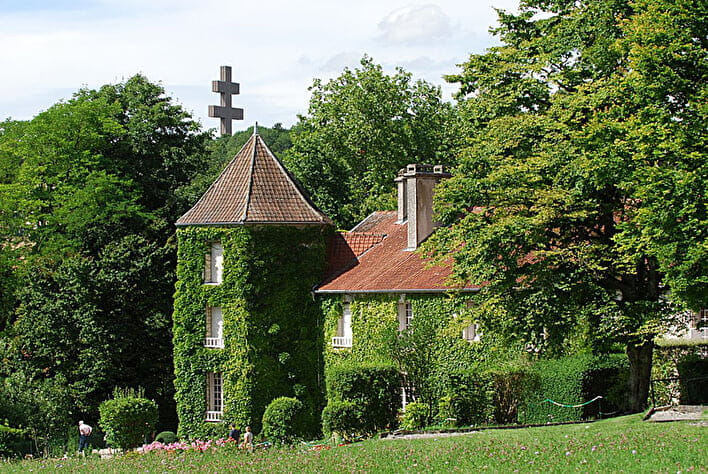
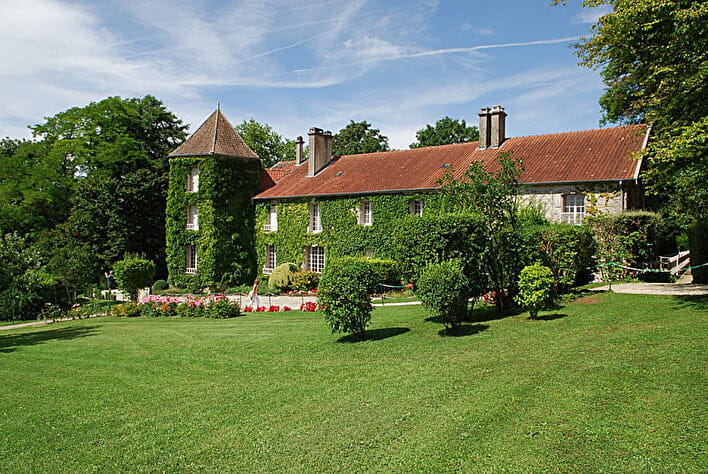
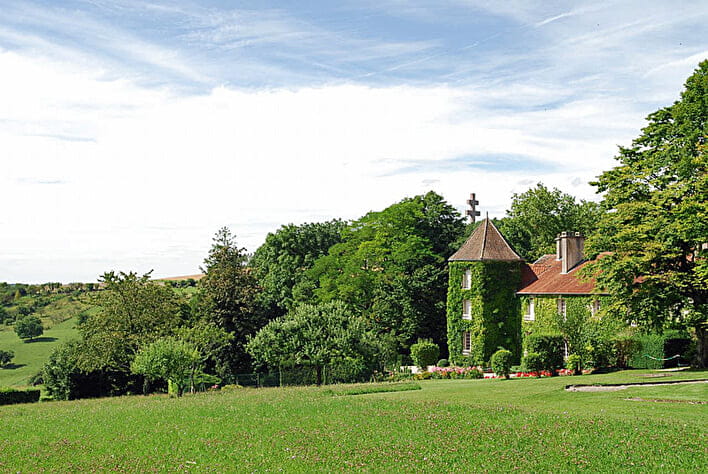
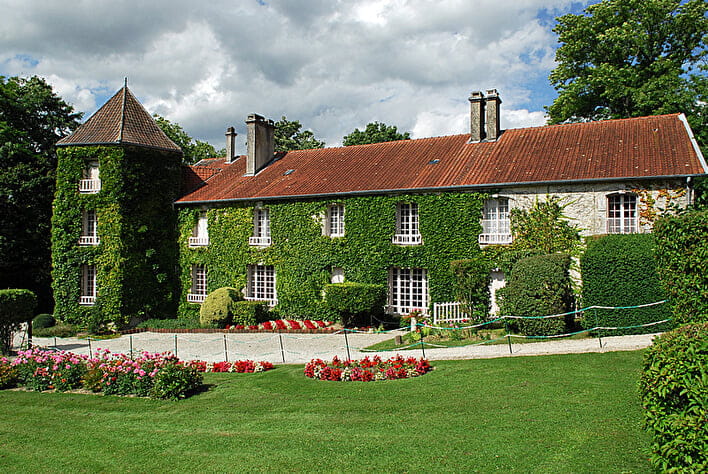
Nestled amidst two and a half hectares of lush parkland, La Boisserie was built around 1810. By the 1930s, the building was showing signs of wear and tear. Its owner therefore decided to sell it under a life annuity arrangement.
Lieutenant-Colonel de Gaulle bought it in 1934. He was married at the time and the father of three children. The house was well suited to his modest means and was situated between Paris and the garrisons in the east, where military personnel were often posted.
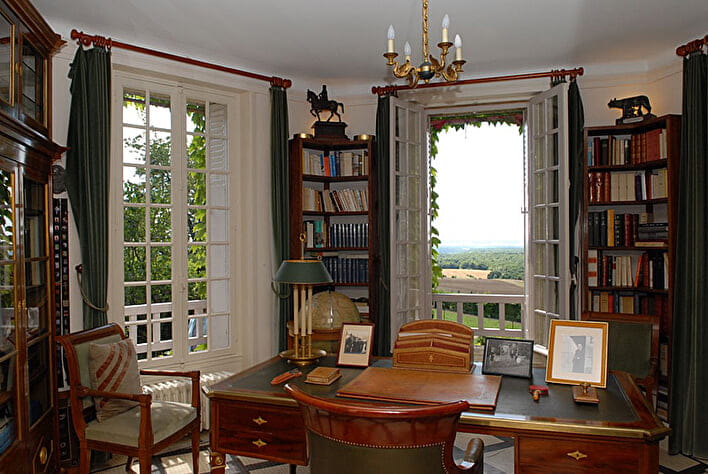
But above all, he was drawn to the seclusion and tranquillity of the place, which were ideal for his reflection and military writing. The De Gaulles initially spent their holidays at La Boisserie, before settling there more regularly. The De Gaulles modernised the house in the late 1930s by installing electricity and then running water.
From 1946 onwards, it became their permanent home. The close bond between Charles de Gaulle and Colombey-les-Deux-Églises was strengthened in 1948 following the death of his daughter Anne, who was buried in Colombey-les-Deux-Églises and beside whom he wished to be laid to rest.
It was at La Boisserie that, in September 1958, he decided to invite the German Chancellor Konrad Adenauer. This unique event underlines the General’s deep commitment to Franco-German reconciliation and European integration.
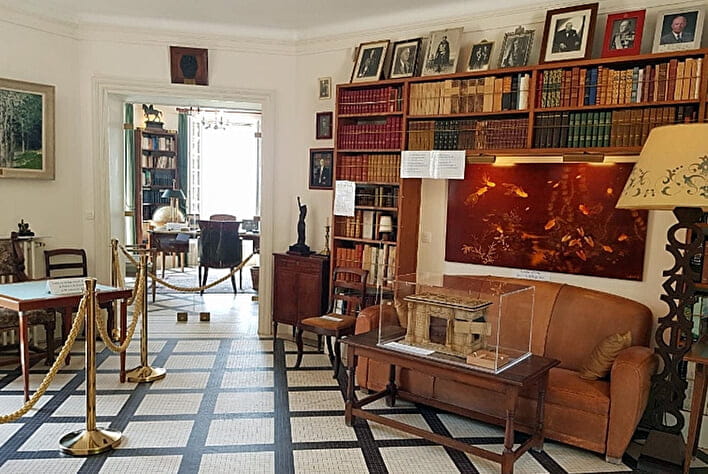
Following the failure of the 1969 referendum, he returned to his study, where he wrote the first chapters of his *Mémoires d’espoir*. Death prevented him from completing his work. On 9 November 1970, he died in the library following a ruptured aneurysm. He was about to turn 80.
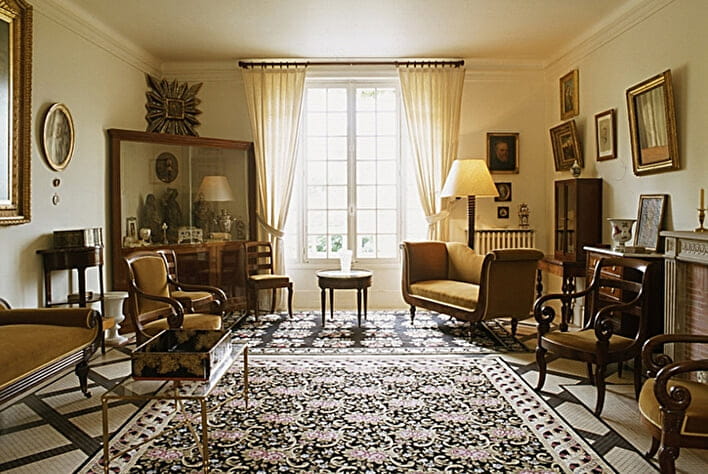
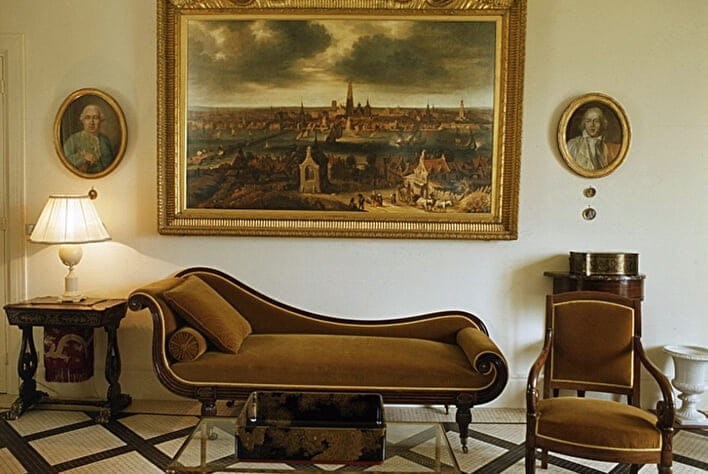
Still privately owned by the de Gaulle family, La Boisserie has been open to the public since 1980. As such, visitors are only granted access to part of the house, namely the entrance hall, the dining room, the sitting room and the library, which overlooks Charles de Gaulle’s study in the famous tower.
As they move from room to room, visitors will discover the serene atmosphere in which Charles de Gaulle liked to retreat, as well as the gifts presented to him personally throughout his career.
A visit to La Boisserie complements the tour of his birthplace in Lille. These two residences offer a unique opportunity to rediscover and understand what shaped the Gaullist spirit.
La Boisserie