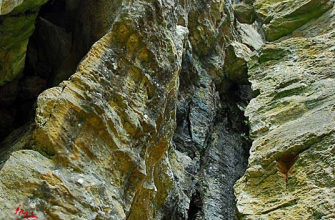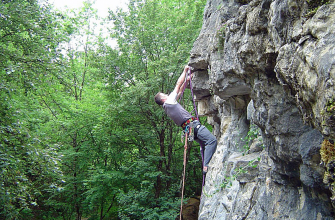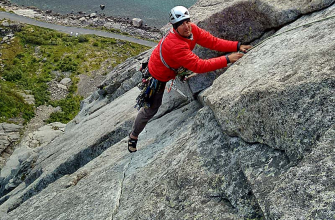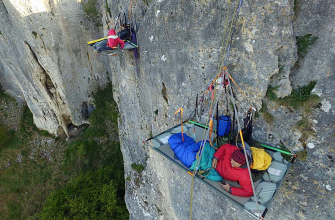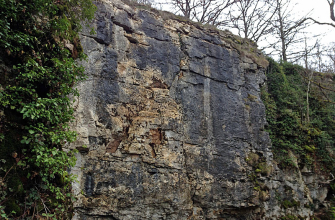
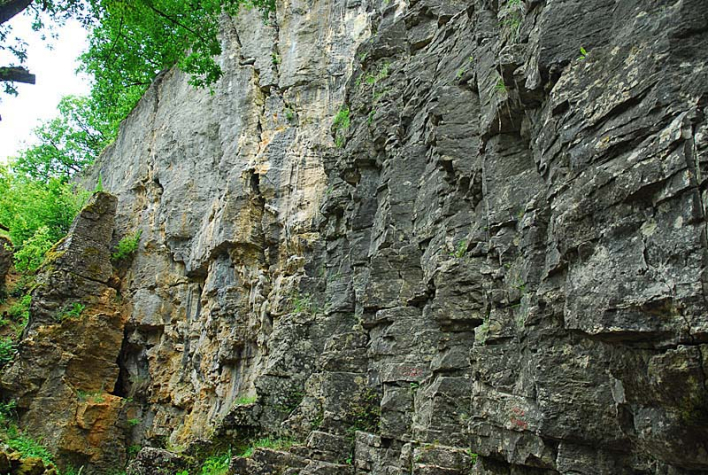
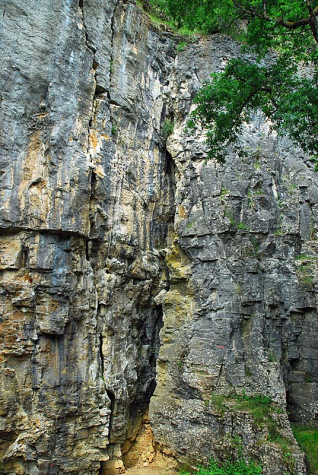
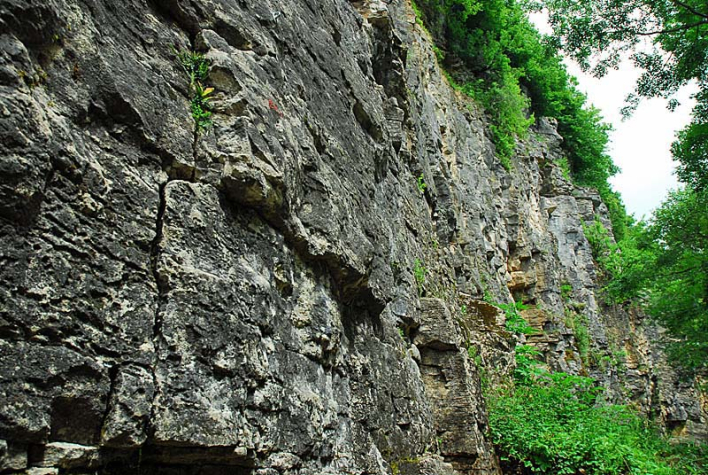
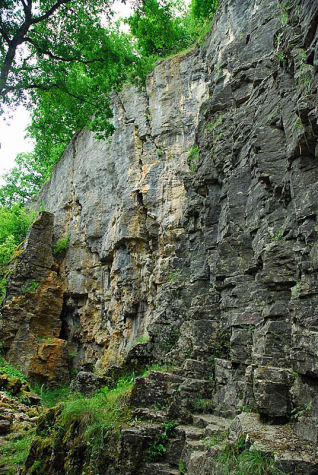
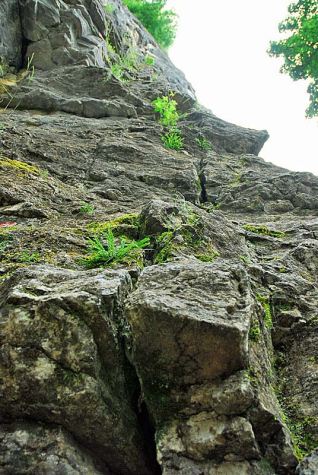
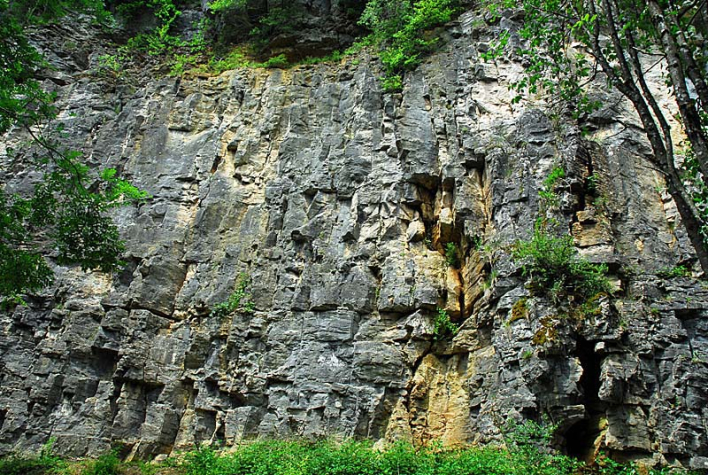
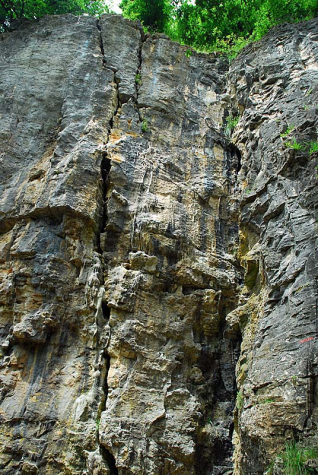
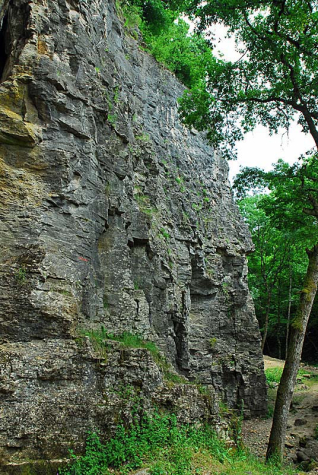
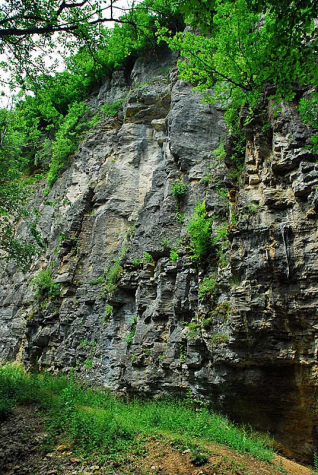
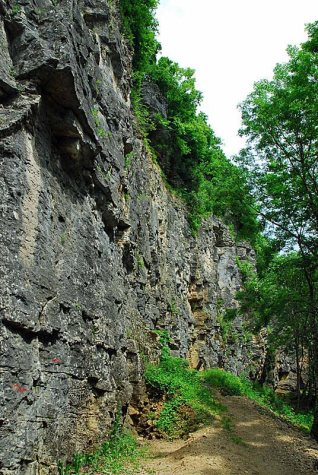
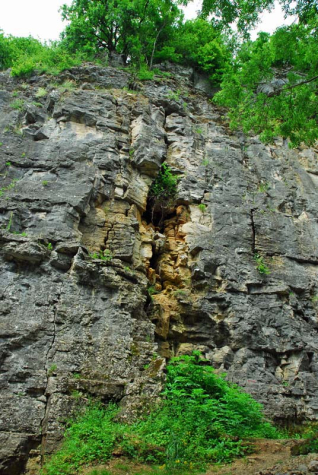
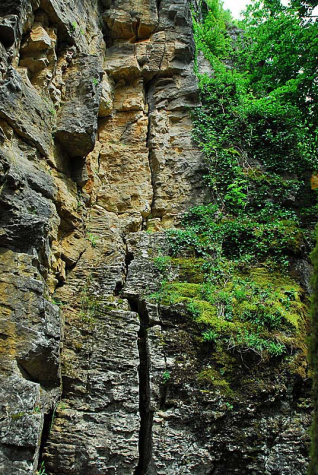
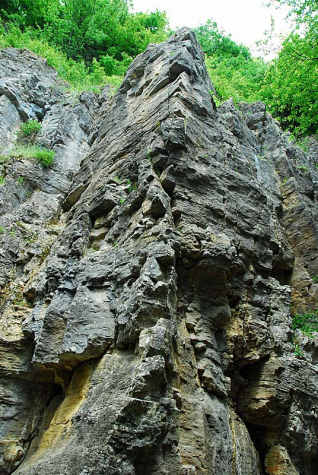
Located between Cohons and Noidant-Chatenoy, this is one of the few interesting cliffs in the region in terms of its size and height (up to 25 m). Formerly a quarry in Langres, it has many sections of good, very sticky, even abrasive limestone. The cliff faces south, so it gets plenty of sunshine. At its foot, however, the vegetation provides shade. It is well protected from the wind and the rock dries exceptionally quickly after rain. All these features make it an ideal site for climbing.
Important information, following a prefectoral decree:
From 1 January to 30 June, due to the nesting of protected rock species and by municipal decree, access to the cliff is only permitted on Wednesdays, Saturdays and Sundays from 1pm to 7pm. During this period, many routes are no longer accessible for climbing and our friends the dogs are not allowed.
Free access the rest of the year, except during hunting season.
For nature lovers:
The ZNIEFF du Cognelot, des bois de Cerfol et de Vergentière covers a key natural site on the Langres plateau. Located on either side of Noidant-Chatenoy and Cohons, it occupies part of the south-facing edge of the Langres plateau, bordered by locally steep cliffs. The forests are of different types depending on the orientation of the slope and the nature of the soil: boxwood-rich pubescent oak forest, which has the richest sites in the department here in the Bois de Cerfol (south-facing), calcareous oak woodland (on plateau with thick brown soil) to mesotrophic (silty soil).
Vegetation:
Extensive grasslands remain on the plateau and on certain slopes (Col de la Mule), with particular vegetation on slabs or former quarries (Alysso-Sedion), cliffs and hard limestone rocks (Potentillion caulescentis). Half a dozen rare species can be found in this sector and are included on the red list of plants in Champagne-Ardenne, often of southern origin, such as the white violet, which is at the limit of its range in Haute-Marne, and the umbel holoset, which is becoming very rare, the rare and possibly extinct thick-leaved orbit, Patzke's fescue on limestone rocks, rough clover and dwarf alfalfa on rocky slabs, as well as Saxifraga hostii, a species that has been naturalised since the beginning of the century, on the cornice.
Fauna:
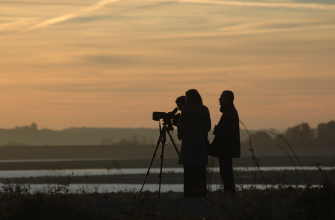
The entomofauna has the same southern tone as some of the flora, with numerous crickets, dragonflies and butterflies. Various reptiles can be found in the ZNIEFF, including the smooth coronet, the Aesculapian snake, at the northern limit of its distribution, and the asp viper, all three of which are on the Champagne-Ardenne red list. Numerous birds frequent the site, and the grasslands are home to the skylark (3 pairs spotted in 1997) and the red-backed shrike (5 pairs): of the 35 bird species recorded in the area, these two species are on the regional red list.
The ZNIEFF is also of great archaeological and wildlife interest (Vergentière barred spur, Cohons snails), geological (limestone with polypiers) and tourist (site frequented by many walkers). It is still in relatively good condition, even though the areas of interest are increasingly closed off.
Falaises de Cohons