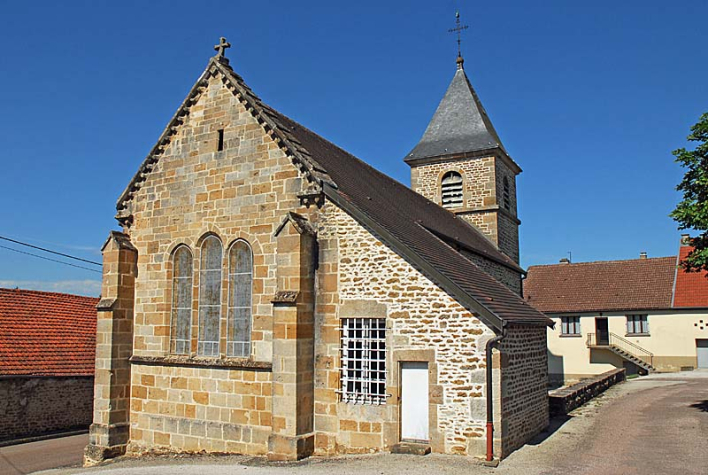
Dedicated to Notre-Dame-de-l'Assomption, the church in Peigney has always been a branch of the parish of Champigny-lès-Langres; it became a vicarage chapel in 1860, then a parish church in 1862, and has remained a parish church ever since.
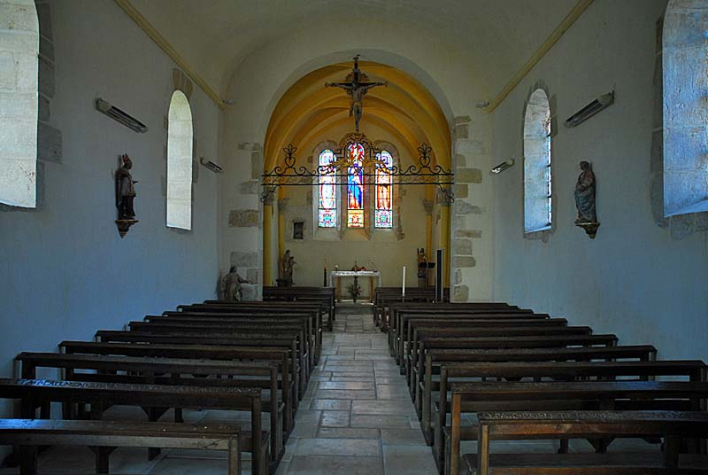
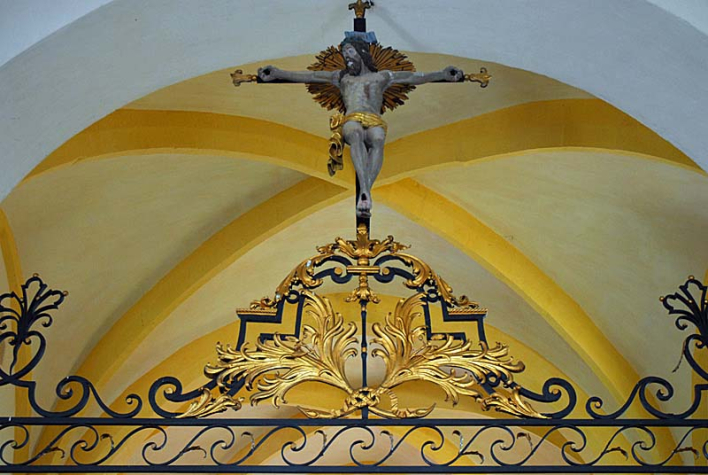
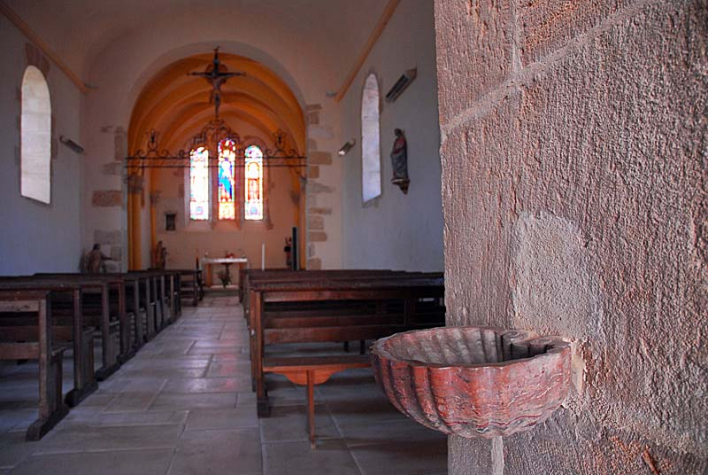
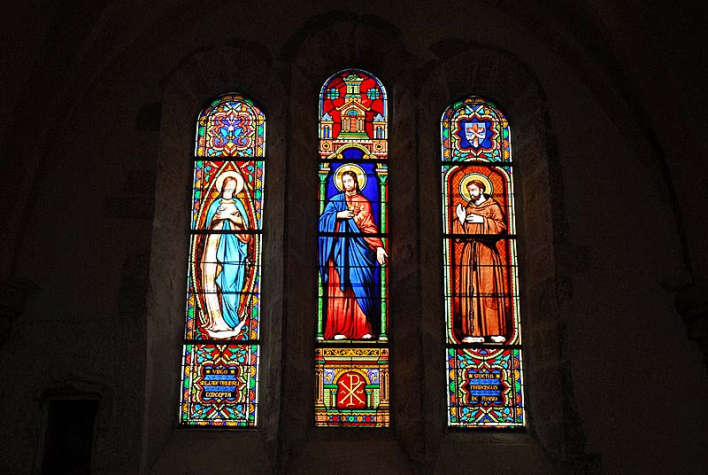
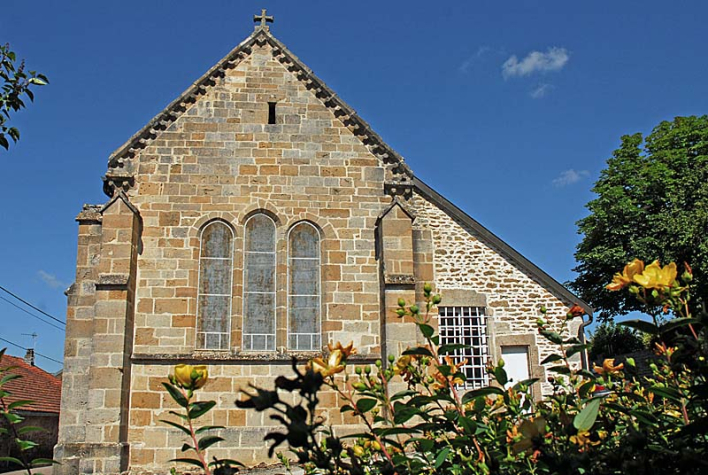
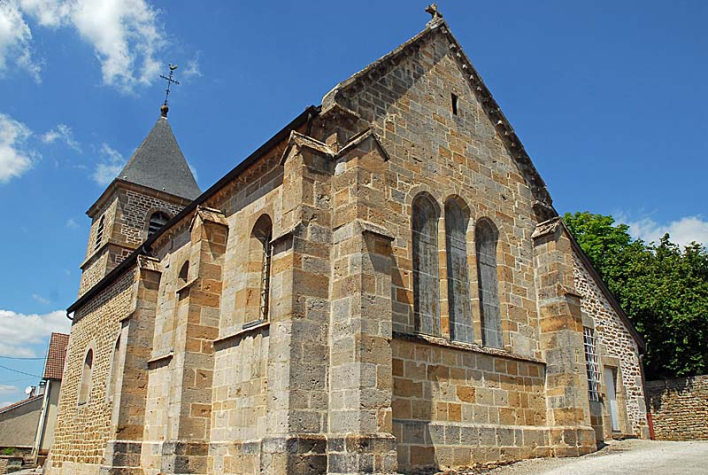
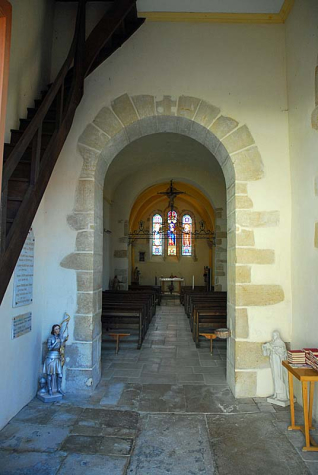
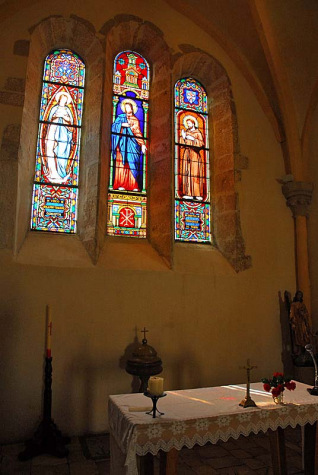
The church at Peigney has a chancel with a lanceolate triplet at the chevet, rustic hooked capitals under the vaults and a washbasin from the first half of the 13th century. The furnishings include an early 16th-century Eucharistic cupboard and an 18th-century painted and gilded wrought iron rood beam under the triumphal arch. The choir of the church has been listed in the supplementary inventory since 27 July 1921.
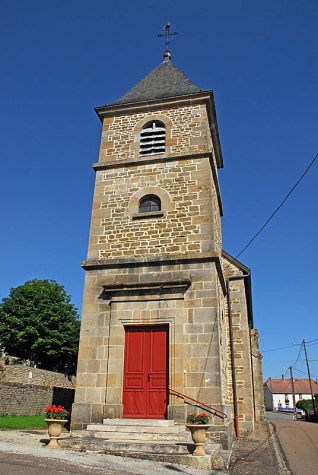
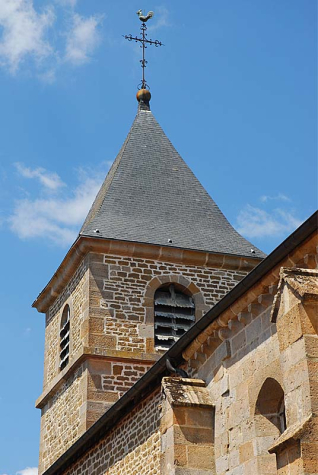
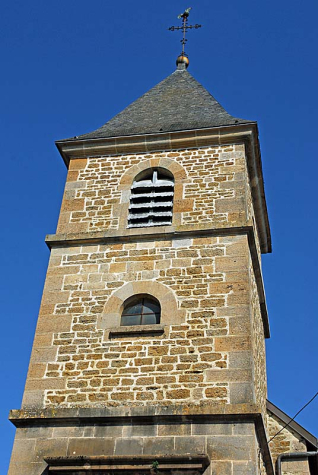
The church's statuary includes a 16th-century polychrome wooden statue of Saint Catherine of Alexandria and an 18th-century polychrome and gilded wooden Virgin and Child, both of which were given French MH classification on 5 June 1967. The nave, which was in poor condition at the end of the Revolution, was topped by a single bell. The present bell tower and sacristy were built from scratch in 1825 by Georges Martin, a building contractor from Langon. But the gutter wall to the right of the nave, which was supposed to support the bell tower, turned out to have been built without foundations. It had to be completely rebuilt for the occasion, as did the portal. Evidence of this work can be seen in the three dedication stones that can be seen on either side of the portal on the façade, and the rebuilding of the small-scale masonry that is clearly visible on the outside. The sacristy, built during the same period, contains the relic of the skull of Abbé Blanchard, who was guillotined in Langres.
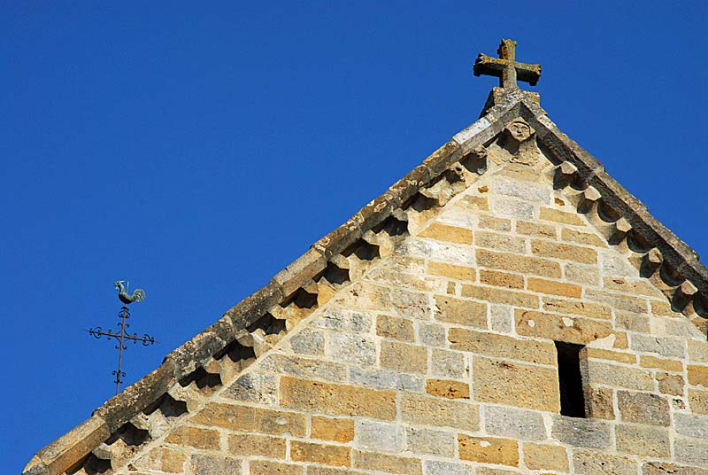
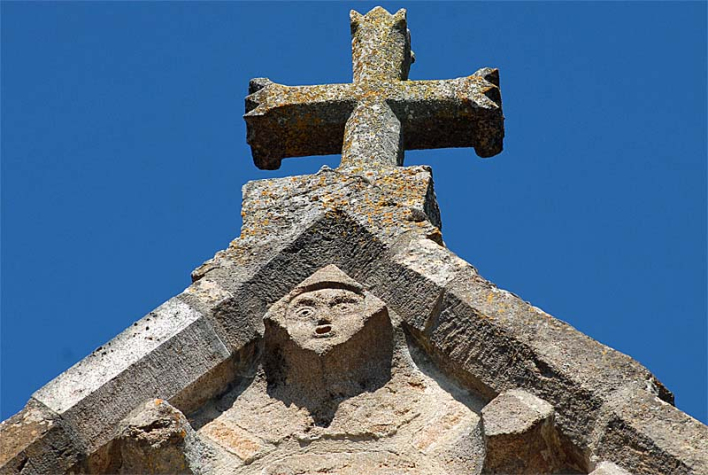
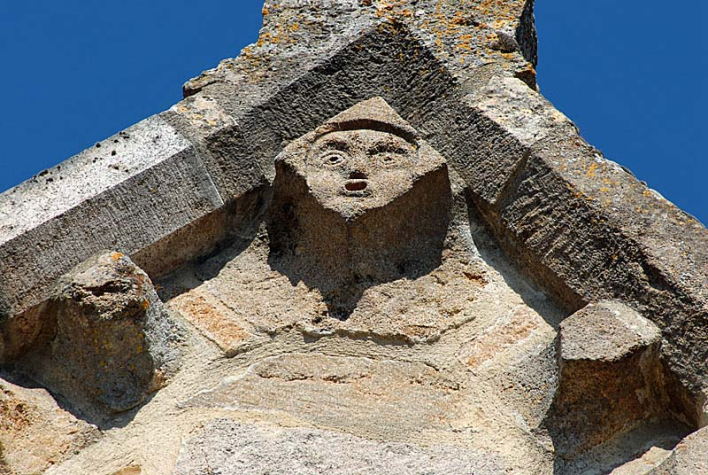
When the choir was re-roofed in 1857, the soil from the old cemetery surrounding the church was removed by almost a metre, "to be transported to the new cemetery" (the current cemetery). As a result, the bottom of the walls on the north side of the church, which had been damaged by the removal of this soil, had to be consolidated.|From the cemetery, if you look up to the gable of the chevet, you can see the figure of a canon in a Phrygian cap, the figure of an insider, who could represent one of the treasurers of the Chapter of Langres in the 13th century, and probably the person who commissioned the building.
Eglise Notre-Dame-de-l'Assomption de Peigney