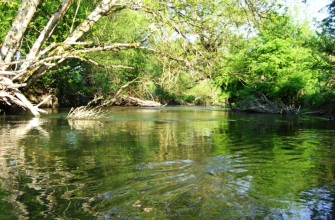
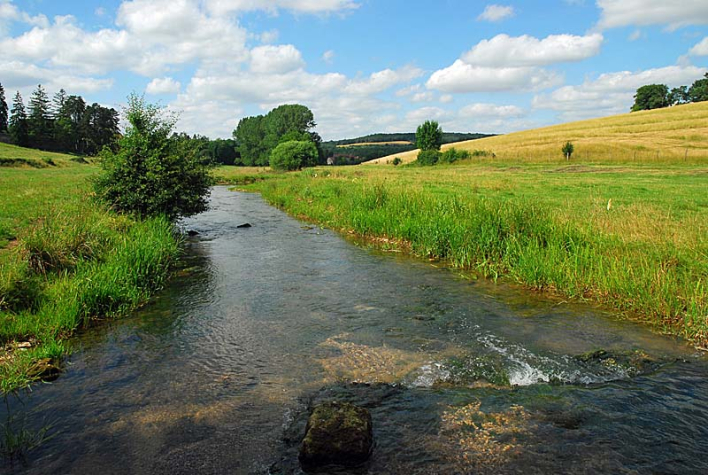
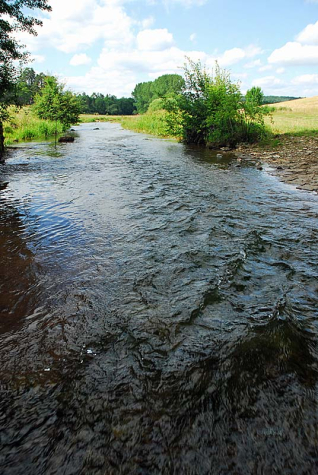
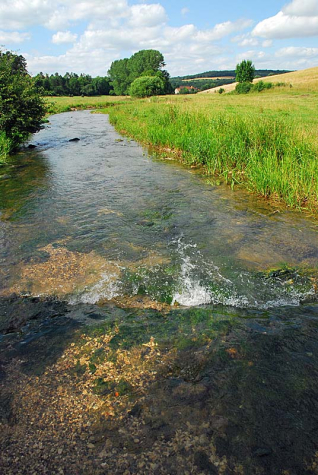
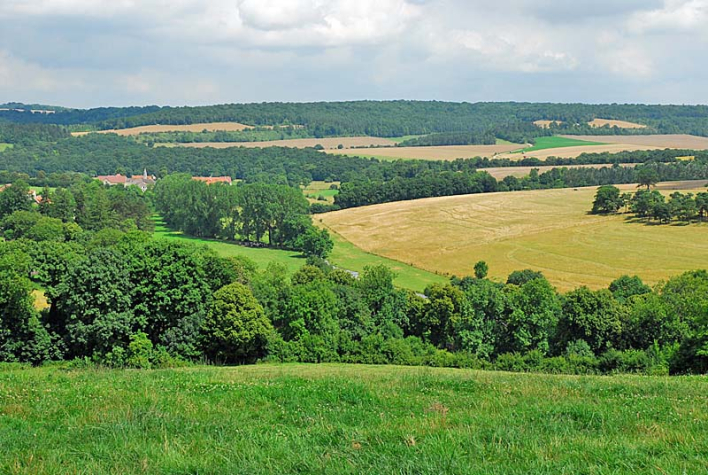
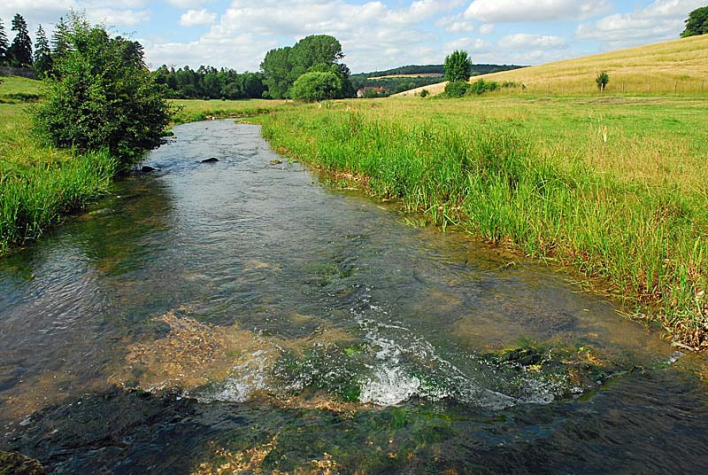
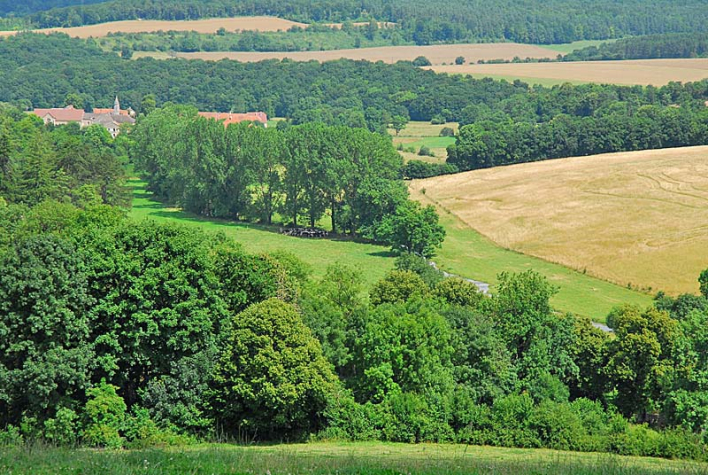
The Upper Aujon Valley ZNIEFF II represents a vast complex of aquatic environments and meadow biotopes rich in flora.
For nature lovers :
Meadows of varying degrees of wetness (Arrhenatherion elatioris, Bromion racemosi, Oenanthion fistulosae), once mown but now often grazed, more localised marshes and tall sedge formations (sedge meadows with Carex rostrata, Carex pulicaris, Carex davalliana, etc.), molinia and groups of sedge meadows (Cariçaies, Carex pulicaris, Carex davalliana, etc.).), molinia and tall-herb groupings (Molinion and Filipendulion), more rarely alluvial woodlands (Alnion and Alno-Padion) and also aquatic river groupings (Ranunculion fluitantis). More than fifteen rare or protected plant species can be found in the various biotopes of the valley: in the marsh, one species is protected in France, the choin ferrugineux, and six species are regionally protected, the swertie pérenne, the renoncule à segments étroits, the aconit napel, the linaigrette à larges feuilles, the saule rampant and elsewhere the narcisse des poètes (highly threatened and in serious decline over the last 25 years). Most of these species are on the red list of plants in Champagne-Ardenne, as are marsh parnassia, smart sedge, an orchid, incarnate orchis and a small fern, ophioglossa, which are also present in the ZNIEFF area.
Fauna:
The insects are highly varied and characteristic of small cold limestone valleys, with in particular a highly endangered dragonfly in Europe, the agrion de Mercure, protected in France since 1993, listed in the appendices to the Habitats Directive and the Bern Convention, in the red book of endangered fauna in France and on the red list of insects in Champagne-Ardenne. Several other dragonflies are included on the same list: the spring aeschne, the ringed cordulégastre and the bidentate cordulégastre, the yellow-spotted cordulie and the metallic cordulie, the bluish orthétrum and the brown orthétrum.
Fish are highly characteristic of clear, unpolluted waters, with the planer lamprey, which has been protected in France since 1988, and the sculpin, both of which have been included in the Habitats Directive, the trout (wild form) and the minnow.
The avifauna is characterised by numerous passerines, including the ant-lark, a rare breeding bird in decline on the Champagne-Ardenne red list of birds, various birds of prey (red kite, buzzard, sparrowhawk), the black stork (summering) and the dipper (also known as the water blackbird), both of which are also on the regional red list, etc.
Amphibians and reptiles are also very well represented, and include rare and dwindling species such as the spadefoot toad and the green and yellow snake, which have been protected in France since 1993, in Europe (Appendix II of the Bern Convention) and on the regional red list, along with the salamander, asp viper and red frog.
Daubenton's vespertilion, a bat on the regional red list of mammals, can also be seen here.
Undeveloped site
Access reserved for an informed and respectful public
Vallée de l'Aujon