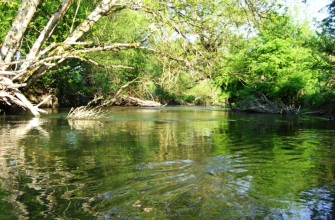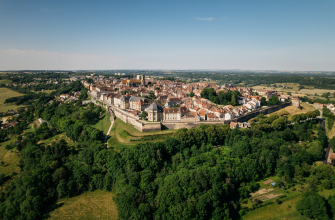
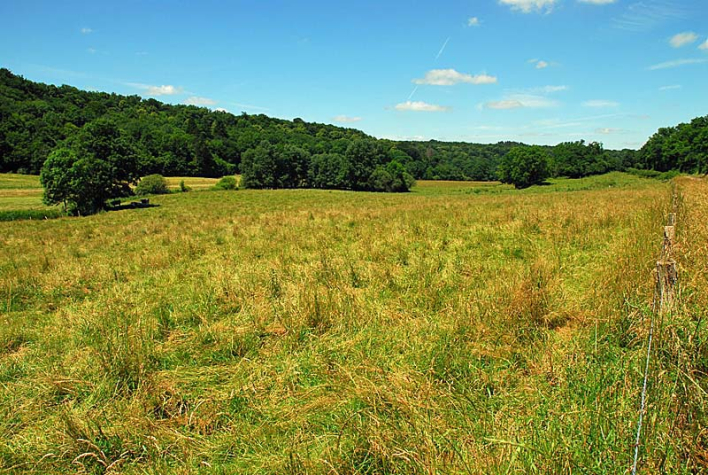
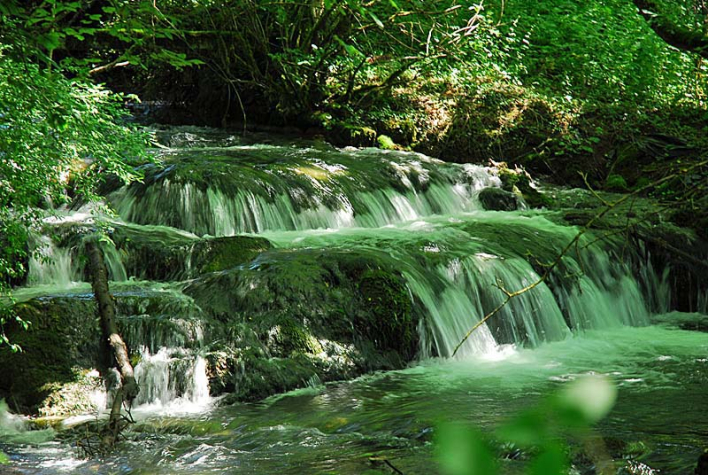
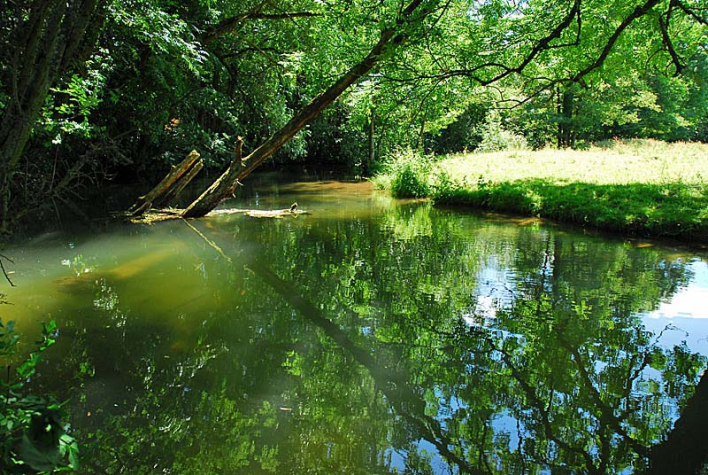
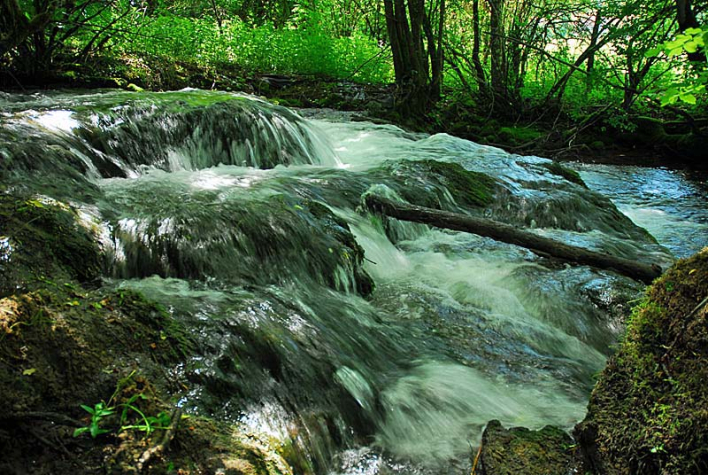
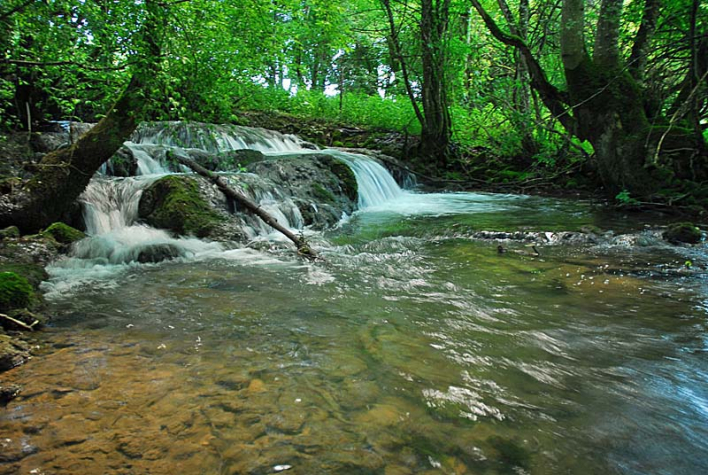
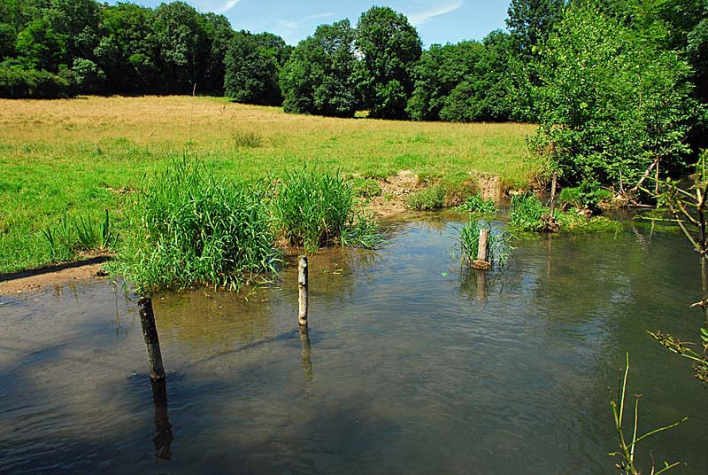
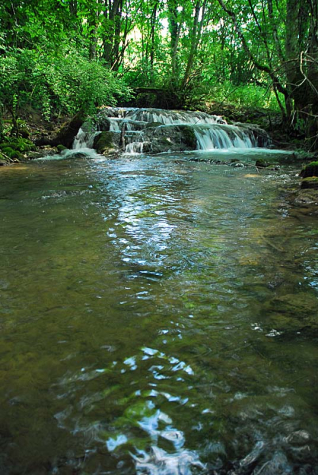
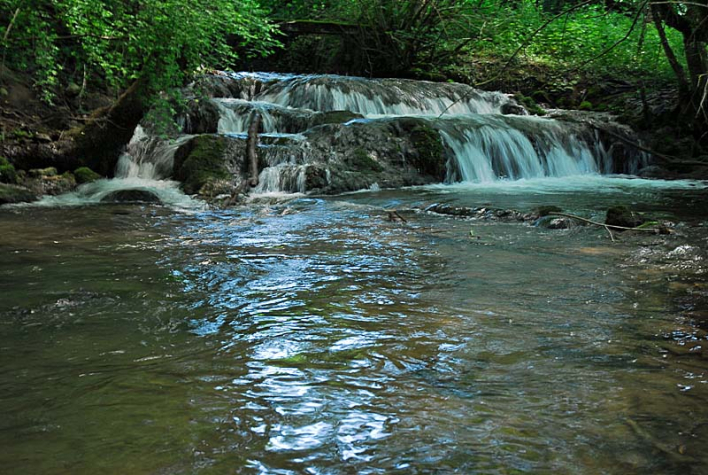
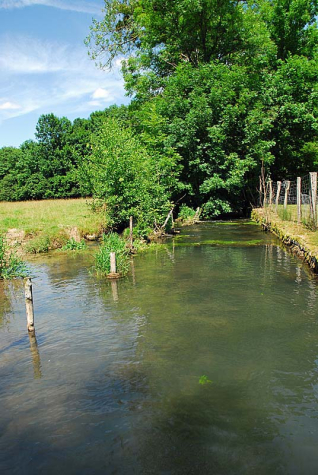
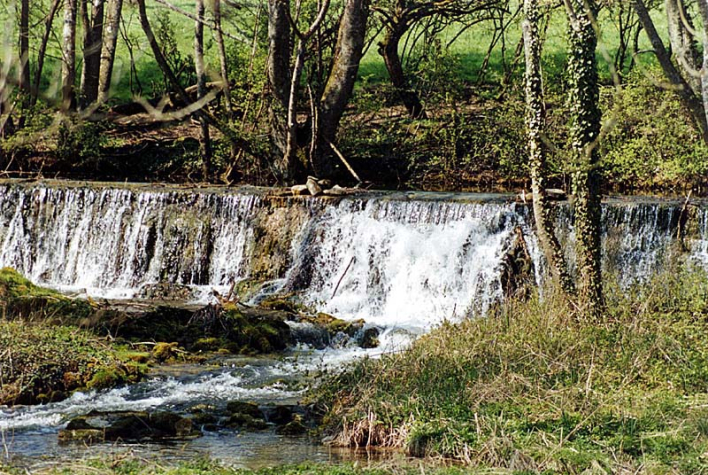
This type II ZNIEFF covers a vast area of over 3,400 hectares corresponding to the valley of the Mouche and its tributaries, as well as the surrounding plateaux. It includes five type I ZNIEFFs: the grasslands and marshes of Noidant-le-Rocheux, the grasslands of Saint-Ciergues, the woods of Courcelles-en-Montagne and the Lac de la Mouche, a vast water reserve with many very interesting aquatic or riparian groups (submerged and amphibious groups, magnocariçaies, reedbeds, etc).
For nature specialists :
There are a variety of forest types, ranging from montane to southern, depending on the direction of the slope: maple grove, dental beech grove (north-facing slopes), neutrophilous beech grove, xerophilous beech grove, thermophilous oak grove (south-facing slopes), valley-bottom oak grove, oak-calcareous-calcareous beech grove. A few alkaline marshes and a number of limestone grasslands remain, the last remnants of the extensive pastures that still covered the area around 1960. A particular type of vegetation, adapted to drought conditions, grows on the hard limestone cliffs and ledges and on the scree of former quarries. The meadow vegetation in the valley has remained very typical. The plateau, most of which is now farmed, remained typical until the mid-1980s, with its meurgers (piles of stones removed from the fields) covered with hedges and copses. Most of these have been destroyed since the land was reparcelled, which has diminished the interest of the ZNIEFF.
Vegetation:
Nearly 20 plant species that are rare or endangered in Champagne are found within the ZNIEFF perimeter: in the forests, the mountain cynoglossus and the perennial lunaria, a rare pre-alpine species in hilly areas (found only in the plains of Champagne-Ardenne and Burgundy), protected at regional level, and the box tree, which has the largest areas in the department; in lawns, reclining fumana, Apennine helianthemum, small dodder, vanilla-scented gymnadenia (protected in Champagne-Ardenne), thyme broomrape; on rocks, oval serviceberry, striated clover and scabrous clover (rare in Haute-Marne); on scree (former wash pits), alyssum, the highly endangered narrow-leaved centranthe, present only in Haute-Marne for the region (at the limit of its range), rosemary willowherb (Haute-Marne and Aube are the departments where the absolute limit of distribution of this species towards the north-west is located); in the marshes or at the reservoir, angular garlic (tiny station on the edge of the reservoir) and marsh germander, protected at regional level, etc. Most of these species are on the red list of plants in Champagne-Ardenne.
Fauna:
The fauna is exceptionally rich, given the variety of biotopes.
Insects are well represented, in particular the rare Agrion de Mercure, protected nationally (since 1993) and internationally (Bern Convention and Habitats Directive) and included on the national red list of dragonflies in danger of extinction in the northern half of the country, the Aeschne printempsanière, the Grande Aeschne, the Dragonfly fauve, the Cordulie métallique, the Leste and a spectacular large dragonfly, the Cordulie à deux taches, all of which are included on the Champagne-Ardenne red list of Odonates.
Reptiles include the smooth coronet (found in sunny, dry environments), the green and yellow snake (the most southerly species in Champagne, and very rare in Haute-Marne, where it is at the northern limit of its distribution) and the asp viper (the first two are on the regional red list).
More than 100 bird species can be found on the site, either occasionally or on a more regular basis (including 9 on the Champagne-Ardenne red list as rare and declining breeders), such as the dipper, the zizzie sparrow, the ant-harrier, the grey shrike, the red-backed shrike, etc.), particularly in conjunction with the presence of the Mouche reservoir lake, which gives the valley great ornithological importance.
Vallèe de la Mouche