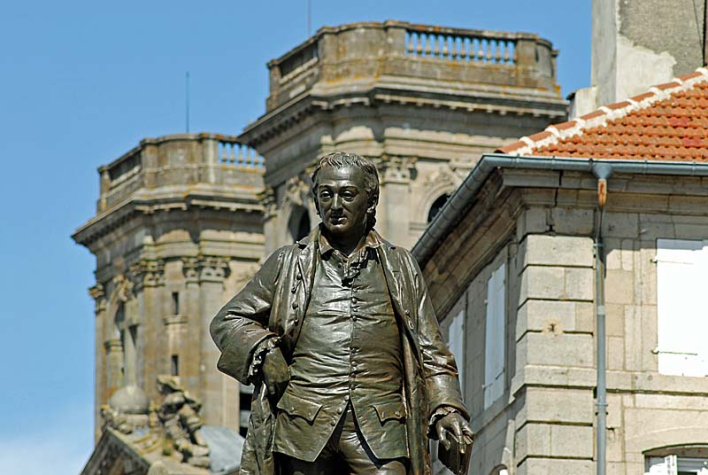
Langres, birthplace of the philosopher Denis Diderot
Langres' most illustrious philosopher is certainly Denis Diderot, born in 1713 at number 9 on the square that now bears his name.
The son of a renowned master cutler, he was educated at the Jesuit College. Diderot grew up in a family of seven children, including Didier, a future canon; Angélique, a nun at the Ursulines; and Denise, known as the "sœurette", who helped him maintain links with his father and especially with his brother.
His father would have liked him to take holy orders, but Denis did not follow this path, unlike his brother. At the age of 15, he refused his father's succession and his uncle's canonical seat, and left to continue his studies in Paris at the Lycée Louis-le-Grand.
When he turned away from the orders, his father cut him off. He became a public writer and worked in various jobs for around fifteen years. To make a living, he translated from English into French. An eclectic and prolific writer, he ventured into all genres: philosophy, novels, theatre and art criticism. Criticising intolerance and rejecting the authority of traditional morality, he fought - along with others - for the triumph of Reason and the universality of human happiness.
His masterly and astonishingly modern work remains the Encyclopédie, a veritable monument and victory for human knowledge, of which he was the relentless master-builder for more than two decades (between 1746 and 1766).
Diderot and his city
"I belong to my own country", he used to say.
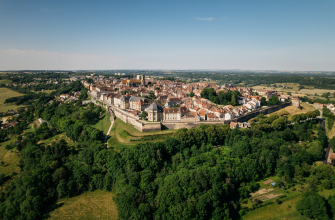
The Langres region is proud to be the birthplace of a man who, along with Voltaire and Rousseau, was one of the leading figures of the Age of Enlightenment. Diderot only returned to his home town 5 times. Too small for him, his ambition and destiny lay elsewhere. An eclectic and prolific writer, he ventured into all genres: philosophy, novels, theatre and art criticism. Criticising intolerance, rejecting the authority of traditional morality and condemning torture, he fought - along with others - for the triumph of reason and the universality of human happiness.
An ardent heart and an innovative spirit, his comments on Langres and the people of Langres are lively and contradictory. While, from the Blanchefontaine walk, his eyes "wander over the most beautiful landscape in the world", he says of his compatriots that they "have spirit, education, gaiety, vivacity and a dragging speech, they have books, they read and produce nothing"...
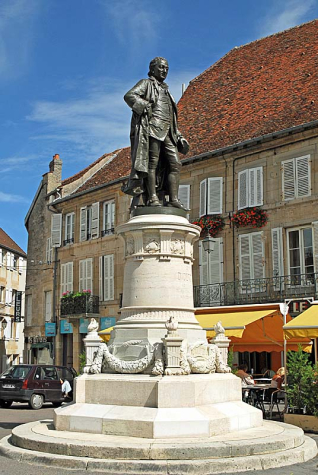
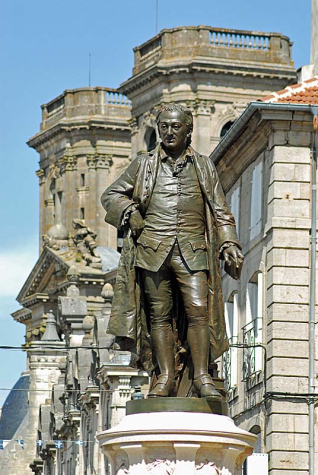
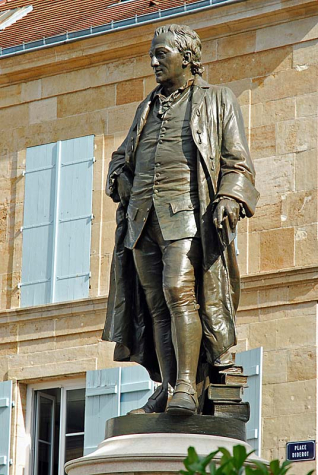
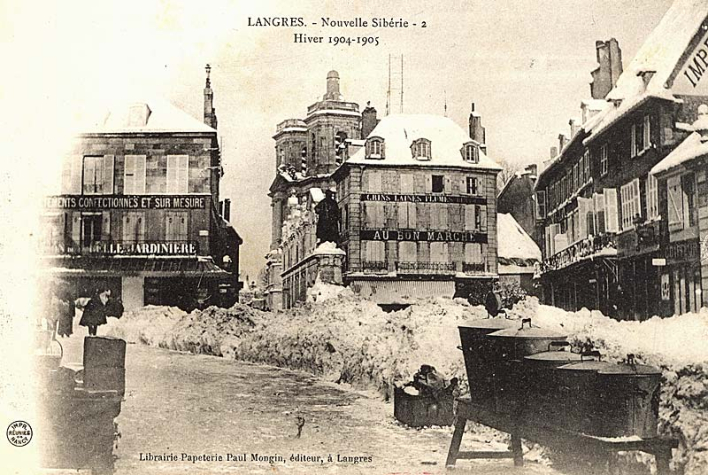
Place Diderot
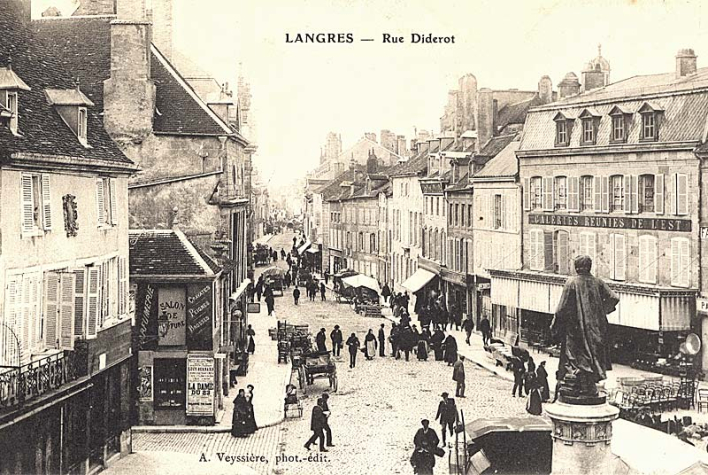
For a long time, the old Place Chambeau stood against the Lower Roman wall. Before the present-day rue Leclerc was built in 1612, the ancient Gallo-Roman cardo - the north-south axis of the present-day rue Diderot - was interrupted here.
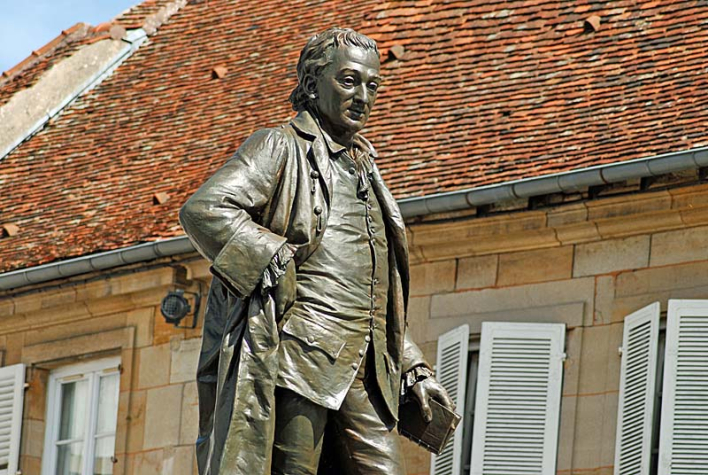
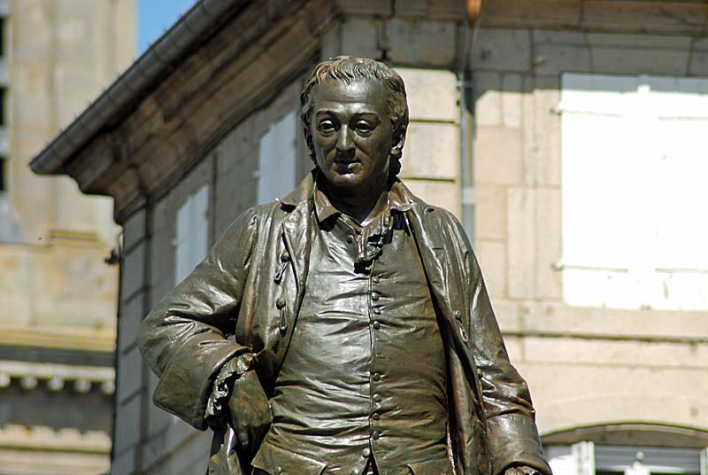
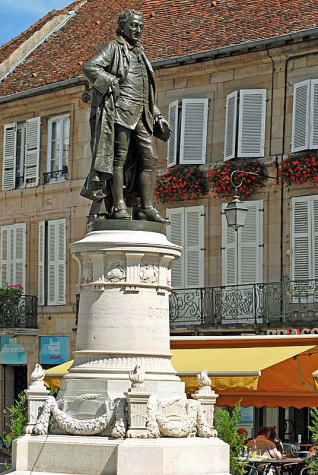
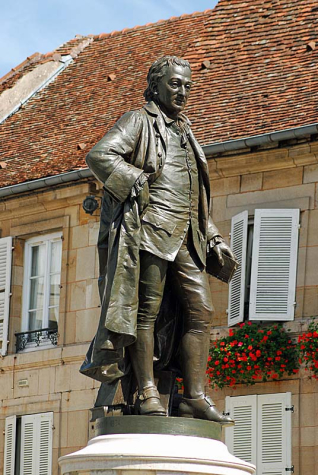
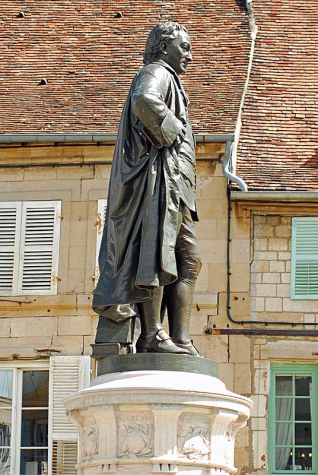
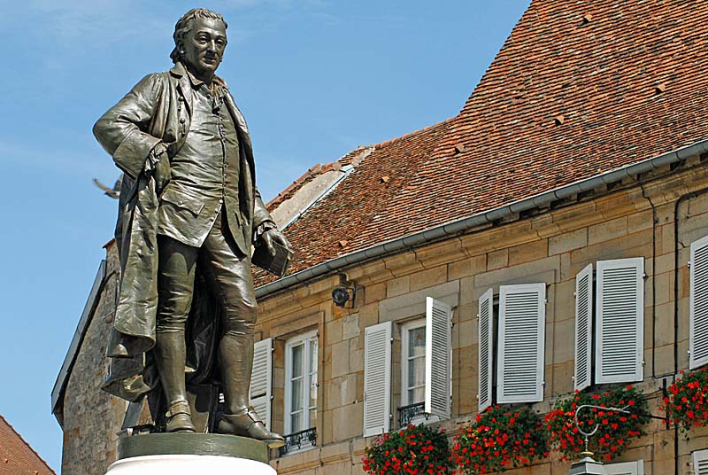
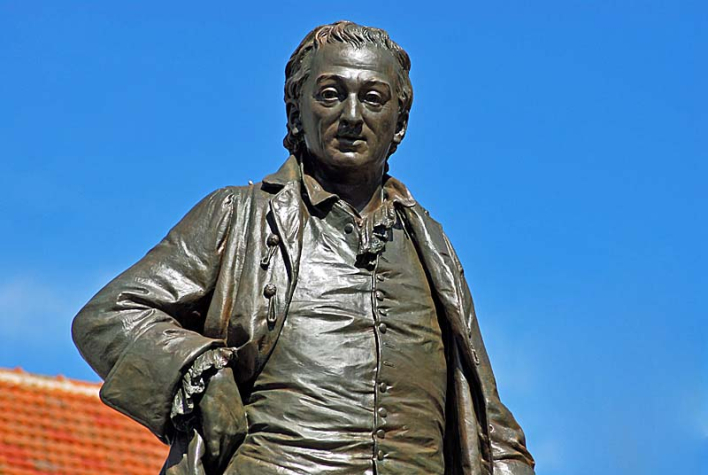
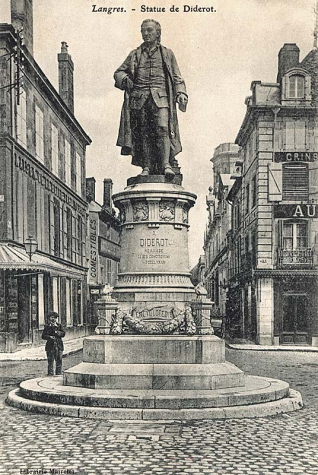
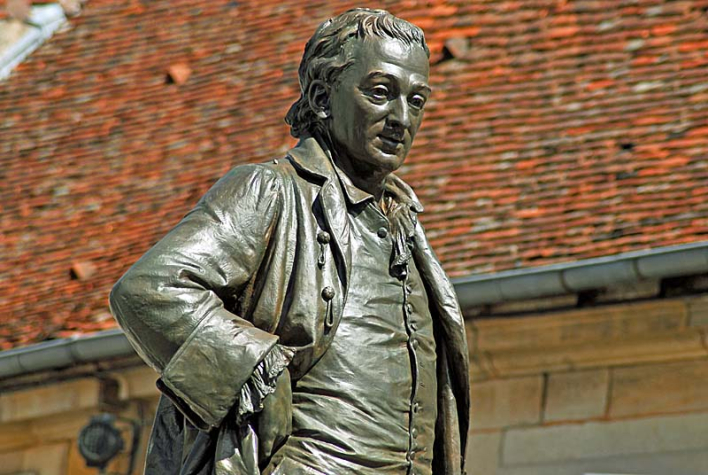
The centenary of his death in 1884 saw the square renamed after him and a statue erected. Designed by Frédéric Auguste Bartholdi, it stands on a plinth listing the main contributors to the encyclopaedic project.
DIDEROT in a few dates:
5 October 1713: Born in the house on the Place Chambeau, no. 9 of what is now the Place Diderot.
1723 - 1728: Studies at the Jesuit College. Denis is a brilliant student.
1728: Diderot leaves Langres for Paris, where he continues his studies and settles permanently.
Diderot remained very attached to his family and his native country, which held a mysterious attraction for him. He returned there several times, notably in 1759, after the death of his father. In 1770, he stayed in Bourbonne-les-Bains.
1781: He presented the town of Langres with his bronze bust, modelled by Houdon.
31st July 1784: Death of Diderot.
DIDEROT, in a few titles
- The Encyclopaedia
- Letters to Sophie Volland
- The Philosophical Thoughts
- The Letter on the Blind
- Thoughts on the Interpretation of Nature
- The Religious
- Essays on Painting and Salons
- Rameau's Nephew
- The Paradox of the Comedian
- Jacques the Fatalist
Statue et place Diderot