Located near the Chêne Saint-Amand shopping area, the Crassées archaeological site consists of a necropolis and a Gallo-Roman villa. The site was discovered by chance in 1856 by two ironmasters. The two men spotted a small brick-paved chamber and also collected coins, bone artefacts and fragments of several rocks. The first digs were undertaken in 1902 by Dr Chaussinaud, director of the Saint-Dizier asylum for the insane and a keen Gallo-Roman archaeologist. It was during these exploratory digs that the presence of the villa was discovered.
Louis Lepage, a prolific archaeologist in Haute-Marne from the 60s to the 90s, spent six years excavating the site in 1964, fearing that the remains would be destroyed as part of the construction of the feeder canal to Lac du Der. Applying the new scientific methods of archaeology, he excavated each room, layer by layer, drew up an architectural plan of all the masonry preserved (walls, floors), and each year submitted a detailed report to the Ministry of Culture in which all the objects discovered were drawn. After six campaigns, he was able to determine that the site was occupied from the 1st to the 4th century AD.
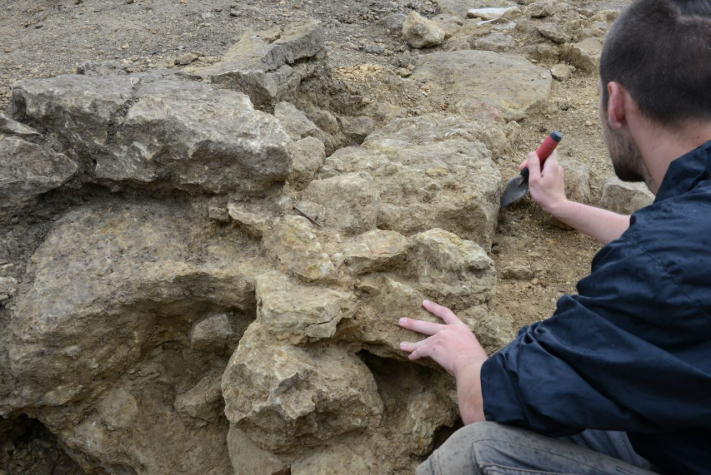
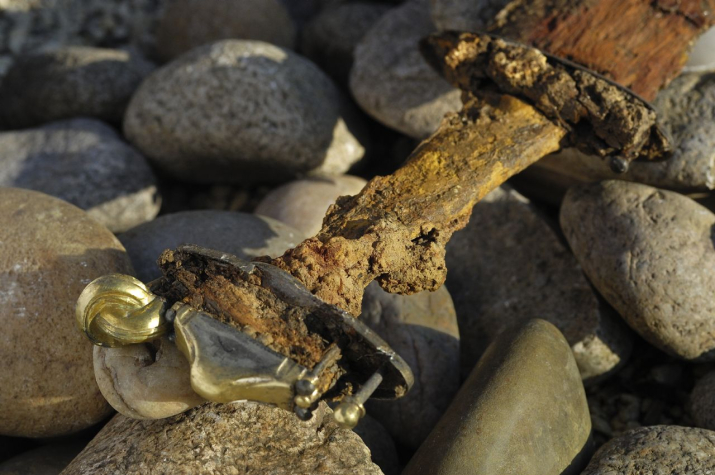
With the discovery in 2002 of the Treasures of the Frankish Chieftains, the remains of the Crassées took on a whole new meaning: why did these chieftains live here, so close to the old Gallo-Roman villa? Could there be a link between them? Excavating the Crassées site became a priority for the town of Saint-Dizier, which set up a programme of excavations with Inrap, under the supervision of the Ministry of Culture. Every summer since then, accompanied by teams of volunteers and students, they have been relentlessly excavating the site in an attempt to understand its historical relationship with the Tuileries site.
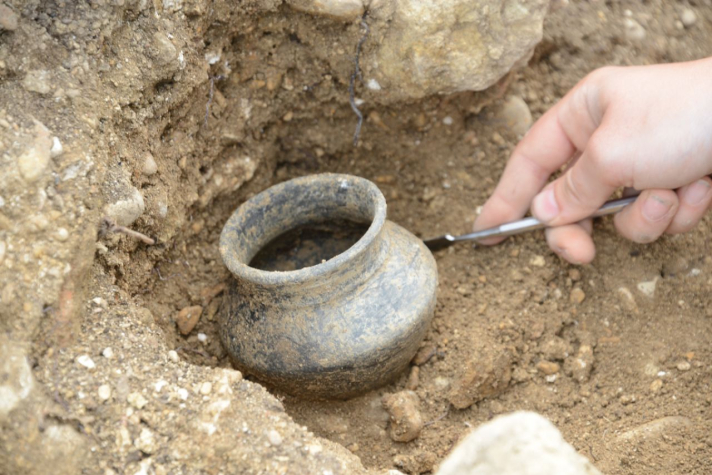
The funerary occupation of the Crassées has been particularly long (up to the 11th century). Since 2012, nearly 900 graves (adults and children) and more than 430 tombs have been exhumed. The foundations of a small church and the remains of an artisanal sector have also been unearthed. In 2015, the tomb of an aristocrat, a contemporary of the Frankish chieftains, was discovered. Archaeologists have been puzzled by the fact that it was built away from the Frankish chieftains. However, the fact that it was located within the church's right of way could be the start of something new...
SITE ARCHÉOLOGIQUE LES CRASSÉES