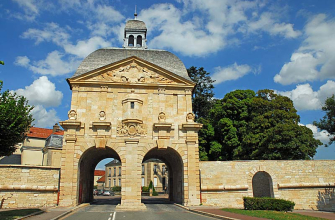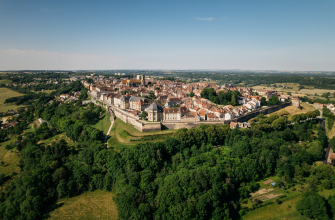
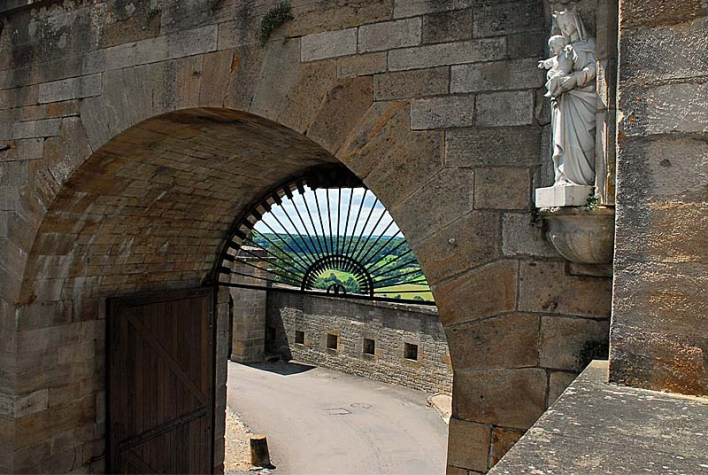
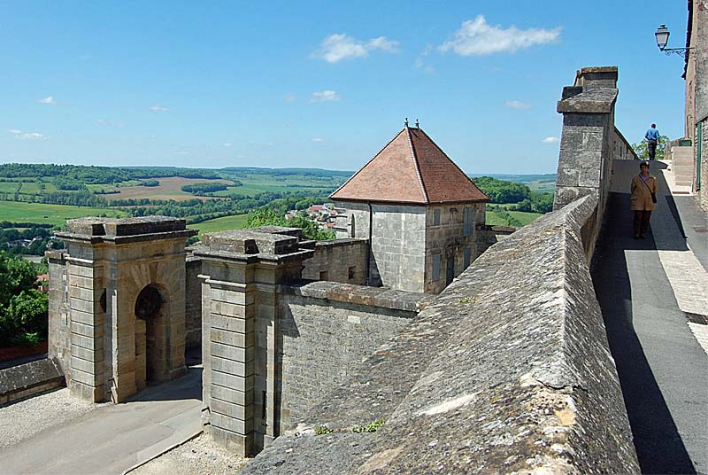
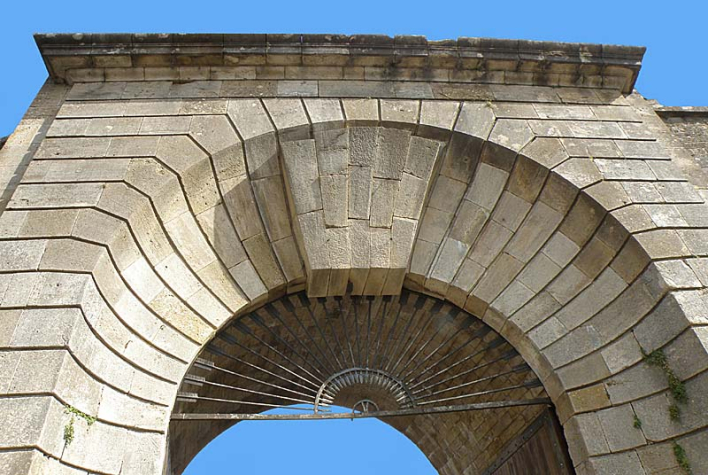
This gateway, located on a rocky spur, appears to be the result of the closure of the nearby Gallo-Roman arch, although it was less defensively equipped. This modification, probably carried out during the High Middle Ages, enabled better control of the access road, which was now located at the foot of the enclosure.
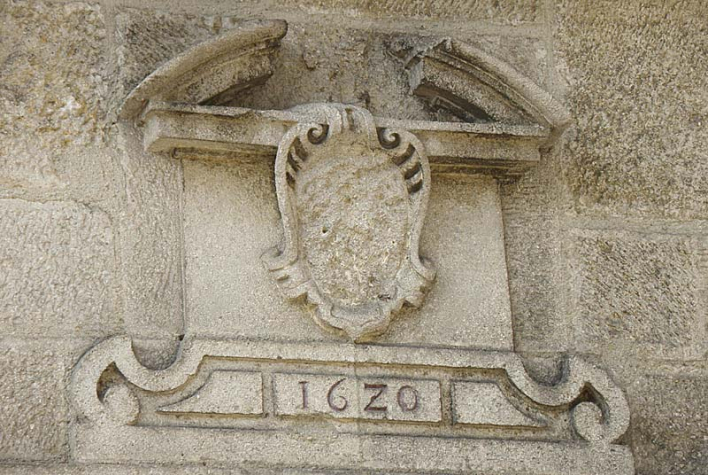
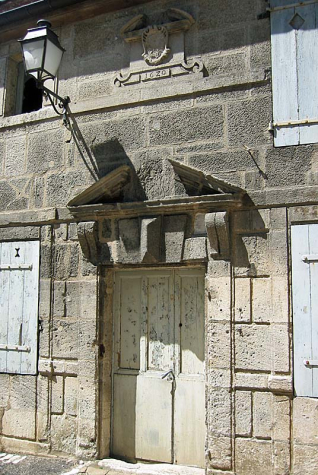
Like most other Langroise gates, the Hôtel de Ville gate was reinforced with a barbican in the 16th century. Built in 1620, the gatehouse is supported on massive brackets on the outside. Also used as a tollgate, it bears witness to the commercial activity that kept this part of the town alive. As soon as you passed through the gateway, you had direct access to the pig and wheat markets - today's Place de l'Hôtel-de-Ville and Place de Verdun.
The inner gate was enlarged in the mid-18th century. The barbican and its drawbridge were restored a century later by the Military Engineers.
A little background information:
The parapet walk above the gate has a high parapet equipped with loopholes; the engineers who restored it wanted to preserve the trace of the old parapet which, until the beginning of the 19th century, equipped all the curtain walls. The parapet walk was also protected by a covered gallery encircling the 3,500 metres of fortifications, enabling the guards to carry out their rounds in acceptable conditions.
On the night of 19 to 20 August 1591, the Lorrains tried to take the town by surprise by blowing up the Market Gate with a firecracker (a small cannon and a charge of gunpowder). But the people of Langois were on the lookout and foiled the attempt by firing on the enemy, who were unable to light the firecracker and had to retreat in disarray. The firecracker remained in place and was brought back to the town as a trophy; the danger had been real and Langres had escaped it with flying colours; as a result, every year (on 20 August), a procession commemorated this event until the end of the 19th century.
Porte de l'Hôtel de Ville ou du Marché