Undeveloped site
Access reserved for an informed and respectful public
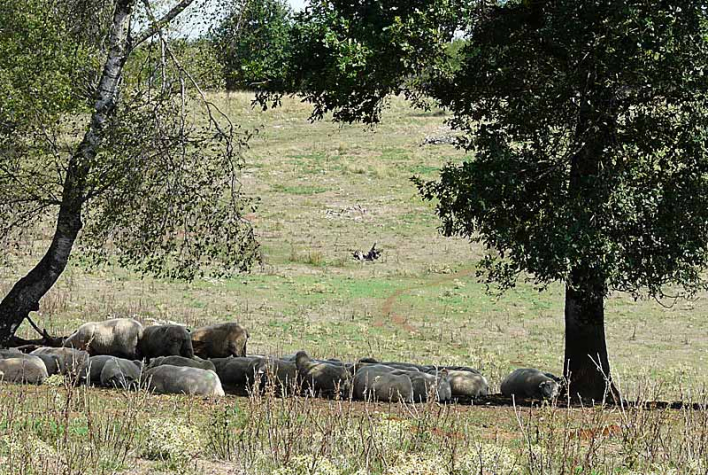
The grasslands located between Chassigny and Saint-Broingt-le-Bois, in the south of the Haute-Marne department, occupy an exceptional position, on the gently sloping surface of a limestone plateau. Because of their size and the richness of their flora, they rank among the fifteen most interesting grasslands in the département.
For nature lovers:
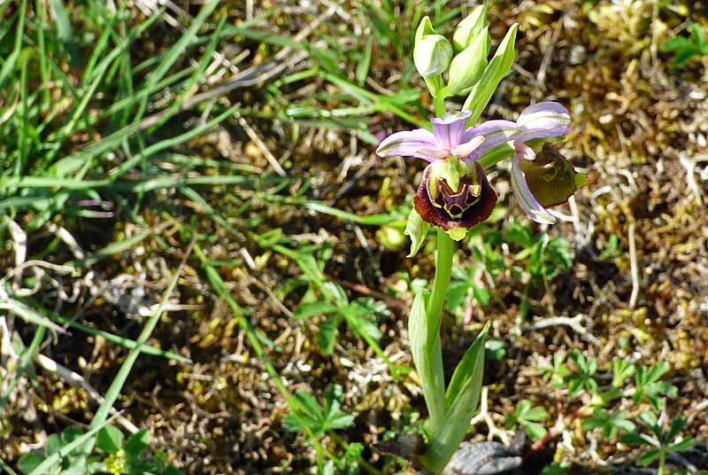
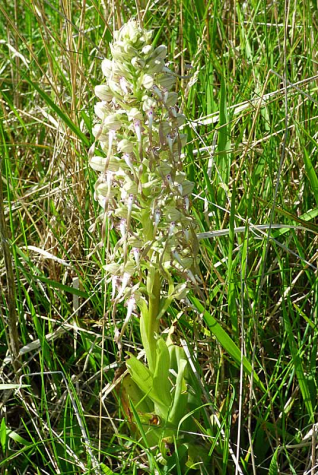
The western half of the area comprises more or less xeric and grazed grasslands with a rich and original flora (presence of plant associations that are rare to very rare in the region and exceptional for the département). The other half is made up of more fragmentary, ungrazed grasslands, more commonplace and more disturbed by neighbouring farming activities (part of the area known as "les Fontenelles" has been removed from the ZNIEFF perimeter as it is now under cultivation).
Vegetation:
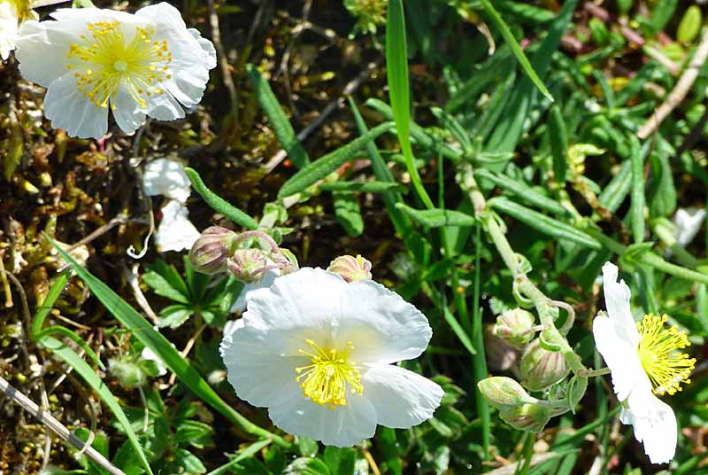
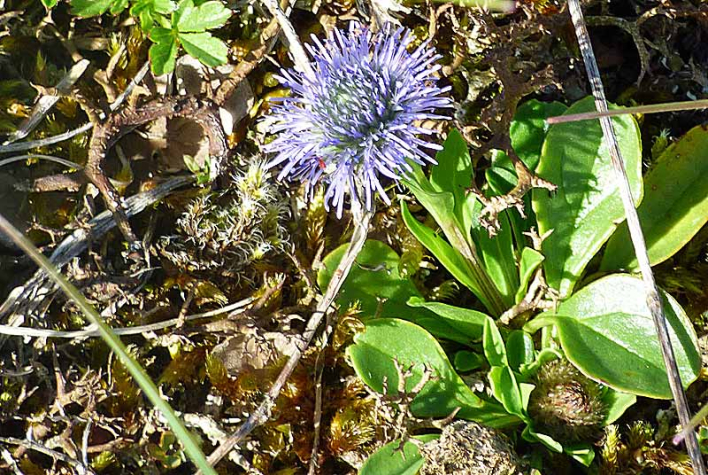
More than half a dozen rare species can be found here, often of southern or central European origin, as well as annual species favoured by the presence of rocky slabs: Apennine helianthemum, opaque buplèvre, scabrous clover and striated clover, red minuartia, alysson and houndstooth barb, a thermoxerophilous species of limestone grassland, of sub-Mediterranean origin, very rare north of Paris, only surviving in Champagne-Ardenne in the grasslands of the extreme south of Haute-Marne and protected at regional level. All these species are on the red list of plants in Champagne-Ardenne.
Fauna:
The entomofauna is very diverse, with one butterfly, the meadow flycatcher, on the regional red list, and various Orthoptera such as song locusts (including the wandering locust and the small-winged locust), the Italian locust and grasshoppers (including the vine creeper, the white-spotted platyceis and the verrucivore dectic). All these species are rare in the region and are on the red list of insects in Champagne-Ardenne. The green lizard, at the northern limit of its range in Haute-Marne, is also present in the grasslands. The rare woodlark, which is on the regional red list, nests here. These grasslands, which are still in good condition, are nevertheless under threat from agriculture, the occasional afforestation and forestry development in ungrazed areas.
Pelouse sèche de la Combe de Maatz