Langres, one of the 50 most beautiful towns in France
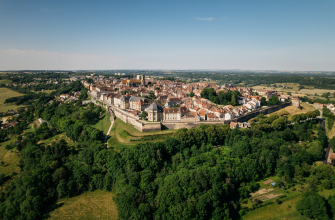
12 towers, 7 gates and 3.5 km of ramparts
With its high ramparts, imposing towers and numerous bell towers, Langres stands like a proud fortress at the gateway to Champagne and Burgundy. As you walk along the 3.5 km of ramparts that have remained untouched over the centuries, the town overlooks a vast panorama: to the east, it stretches in successive planes from the Lac de la Liez and the Marne valley to the Vosges mountains, with occasional glimpses of the Bernese Alps. To the west, beyond the verdant Bonnelle valley, the Langres plateau opens up to you with its hedges and wooded hillsides.
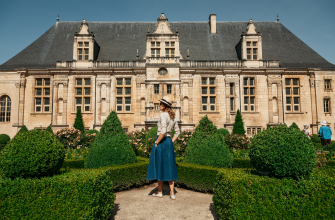
Follow the maze of narrow streets and, at the bend in the covered passageways, let the history of the town be told to you. It is Gallo-Roman in its ancient monuments, its mosaic of Bacchus and its highly evocative sculptures. It is medieval in its layout and the influence of its Cluniac-inspired cathedral. The Renaissance, meanwhile, saw the construction of elegant private mansions, introducing the wealthy families of Langre to ever-greater comfort, in a décor inspired by ancient treatises that classical civil architecture would develop with great refinement.
The establishment of numerous religious communities during the Counter-Reformation period made remarkable use of monumental architecture as a teaching tool. Today, they often house public institutions.
The austere 19th-century citadel is the last witness to the development of military techniques that have reinforced this spur-shaped site, which has probably been fortified since the 3rd century, and has been given a new lease of life as a venue for associations and cultural events.
Langres is like a living Book of Art and History. The city has adapted to different eras while remaining true to itself. Welcoming and generous, it's waiting to be discovered.
Office de Tourisme du Pays de Langres