The exceptional interest of the Vanosse valley, located to the north-west of Poinson-les-Grancey, has been known since the work of P. Fournier (a famous botanist from Haute-Marne and author of the four French floras).
For nature lovers :
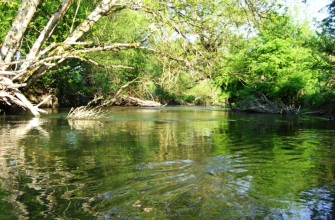
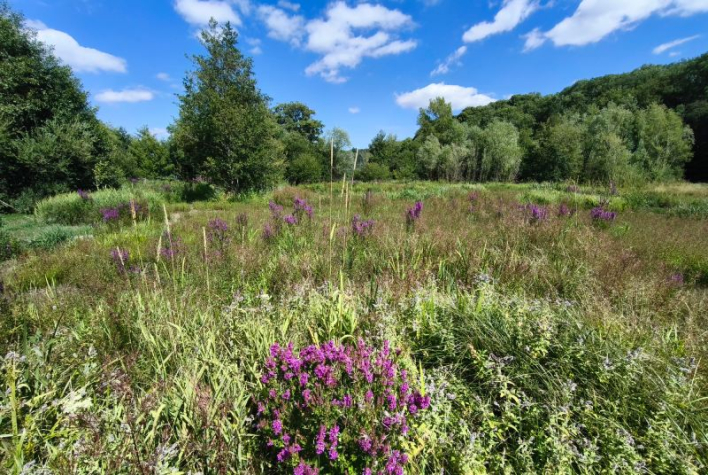
The tufa marsh, divided into two parts linked by a very narrow, more or less wooded marshy area, is entirely surrounded by forest. It is the most interesting biotope in the valley. These two marshes, fed by numerous perennial springs, both internal and peripheral, are very wet in some areas, with magnocariçaies (especially beaked sedge) and schoenaies.
On the outskirts (drier areas), they are replaced by moss stands and tetragonolophy grasslands, more or less overgrown with barberry scrub and Scots pine. The low willow grove with ash willow and purple willow develops on the edge of the marsh and along the banks of streams. The ash-erabaceous woodland that follows is characterised by a large population of winter horsetail, which is rare in Haute-Marne. There are numerous tufa inlays (in the form of entablatures and balls several centimetres in diameter) and chara basins.
Vegetation:
The vegetation is very characteristic of this type of environment and well adapted to the particular conditions of tufa marshes, with, among others, the ferruginous choin, a mountain species protected in France as well as certain species protected in Champagne-Ardenne or included on the regional red list of plants, Traunsteiner's orchid, broad-leaved cottongrass, which is very rare in Haute-Marne, swertie for marshes, narrow-segmented buttercup, great gentian, medium canche, which is native to the south of France, and Apennine helianthemum for molinia, ophioglossus and monkshood.
Fauna:
The entomofauna is rich and diverse, with almost thirty different insects, including 5 on the Champagne-Ardenne red list of insects, as well as several dragonflies (Cordulegaster bidentatus, Orthetrum coerulescens, Orthetrum brunneum) and a butterfly, the Ino butterfly. The area is very enclosed and not very popular with birdlife.|The site is in fairly good condition: the marshland to the south of the ZNIEFF was drained and planted with conifers in the 1960s, while the northern part is privately owned and is increasingly overgrown with scrub. The marshland around the Fontaine au Devin is managed by the ONF as part of the Sigfra programme, and conservation management has been carried out with the help of the Fondation de France (clearing undergrowth and filling in drains) and should be continued.
Undeveloped site
Access reserved for an informed and respectful public
Marais du ruisseau de Vanosse