Morteau, a house of the Wars of Religion
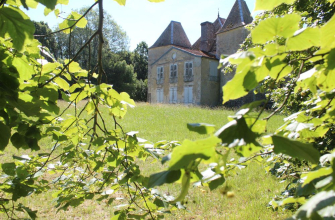
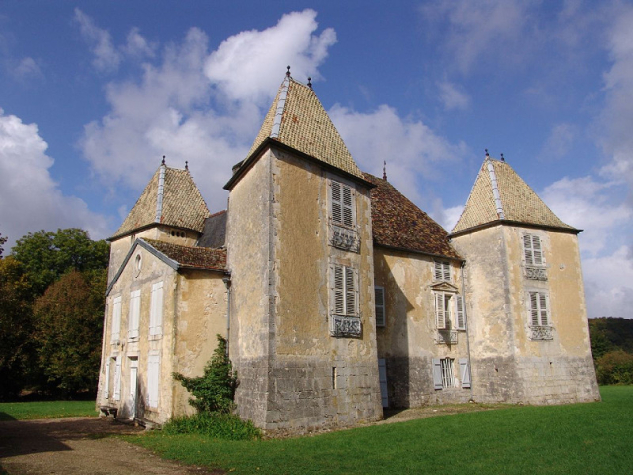
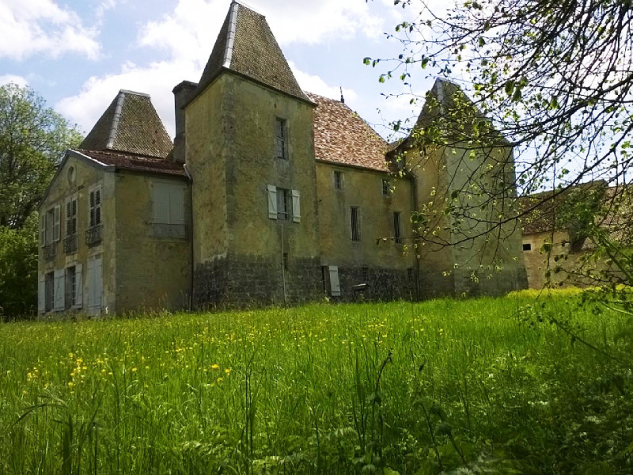
The fortified house at Morteau is an invitation to step back in time to the late 16th century, which was deeply troubled by the Wars of Religion.
The rise of Nicolas de Hault :
It all began in 1594, when squire Nicolas de Haut returned to Chaumont after a perilous year-long pilgrimage to Jerusalem, where he had been made a Knight of the Holy Sepulchre.
Born into a family of Chaumont notables and a royal prosecutor, he joined the powerful Rose family by marrying Marguerite, niece of the rebel bishop Guillaume Rose. All he needed was a throne and a castle, which he found in 1596, when he acquired part of the seigneury of Morteau and built the fortified house that still stands there today.
A fortified house :
But the bastioned layout, with a main building surrounded by four lozenge-shaped towers, not only testifies to the power of the new lord. It is also a reminder of the fortified house's defensive function, as evidenced by the thick studded doorway topped by a bretèche, the loopholes in the lower sections of the towers, and the firing windows or barred windows on the west facade. The Edict of Nantes had not yet been signed, and the region remained unstable and an easy prey for looters. Morteau defended itself and held out well into the 17th century, when the ancient village of Morteau, nestling around its church (now the Chapelle Saint Sulpice), was definitively destroyed by Swedish mercenaries during the Thirty Years' War (1618-1648).
A family close to La Ligue :
An outward sign of power, Morteau nevertheless reveals a lord with little attachment to luxury and worldly pleasures. The interior décor is sober, impervious to the refinements of the Renaissance. The vaulted rooms on the ground floor have a look that is both Spartan and monastic. The lord of Morteau was clearly a professed follower of the faith, and was linked to the League by the involvement of Chaumont and his family-in-law. He left behind several testimonies to his piety: it was in Morteau that he signed the account of his pilgrimage to Jerusalem, which is now kept in the reserves of the Bibliothèque Nationale. Above all, he had a domestic chapel built at the top of the entrance tower, consecrated in 1599 by Guillaume Rose. After the plague that swept through the region in 1636, his wife Marguerite Rose, who along with her son Galaad had financed the Jesuit college in Chaumont, had frescoes painted on the walls of the chapel in Morteau that can still be seen today and are dedicated to the Virgin and Saint Charles Borromeo, who had been particularly prominent during the plague in Milan in 1576.
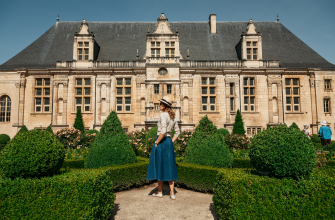
In this way, Morteau expresses stone by stone the forces and uncertainties of its time, the taste for power, violence and faith. Later, much later, in the last third of the 18th century, the austere Morteau would be taken in hand by another master, the Comte de Beaujeu, who sought to give it another face and turn it into a real castle.
Maison Forte de Morteau