SITE CLOSED UNTIL FURTHER NOTICE DUE TO DANGER RELATED TO FALLING BRANCHES OR TREES (Danger caused by ash blight and bark beetle attacks).
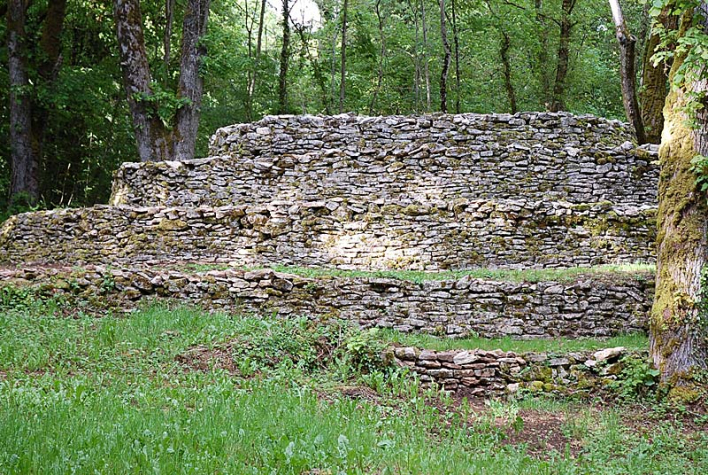
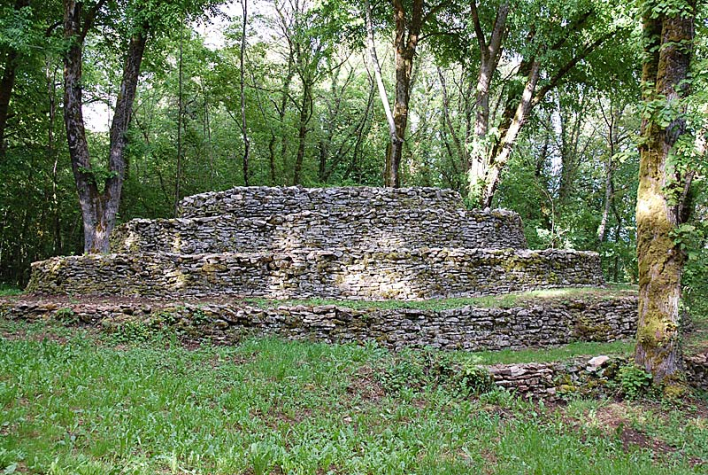
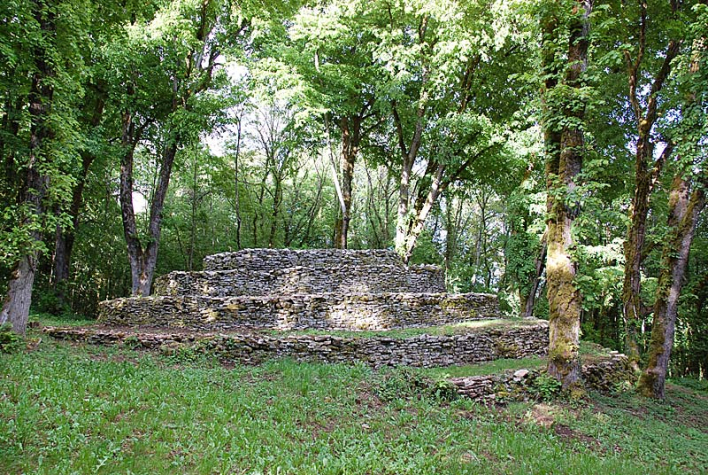
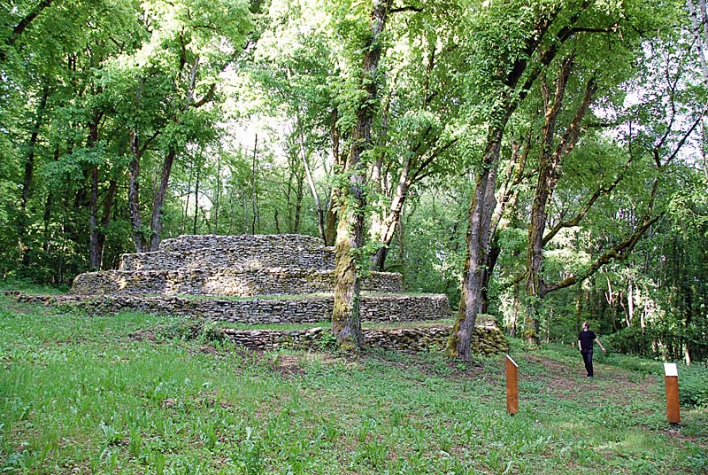
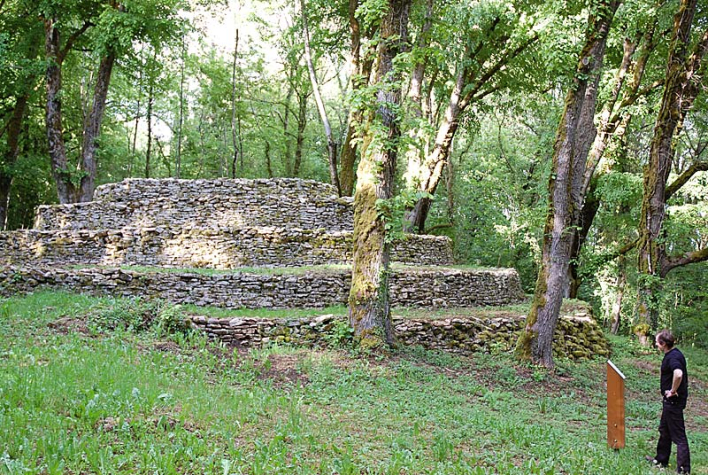
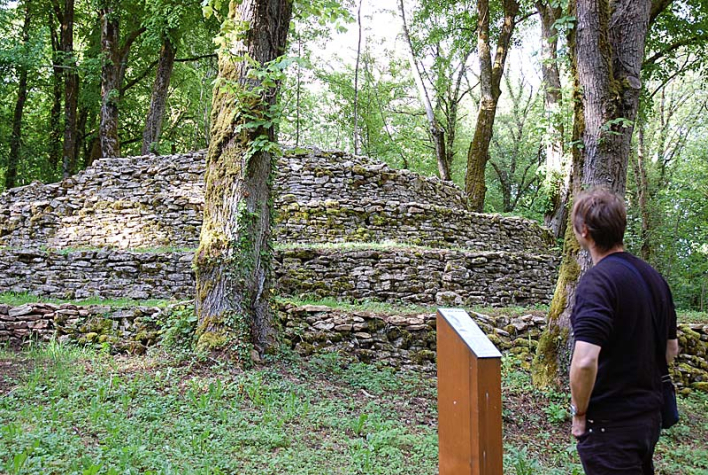
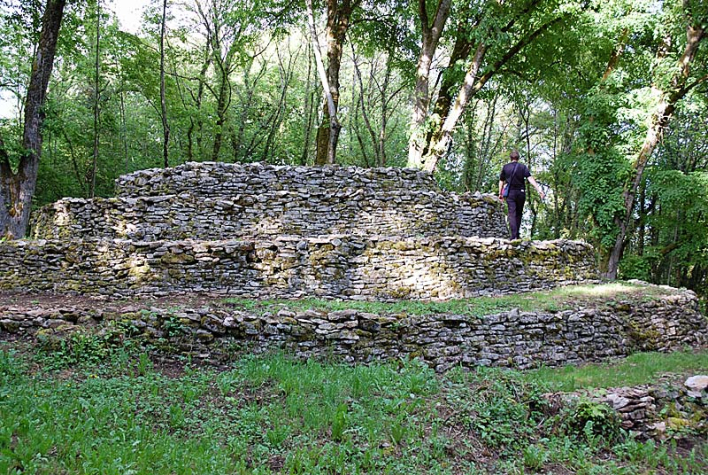
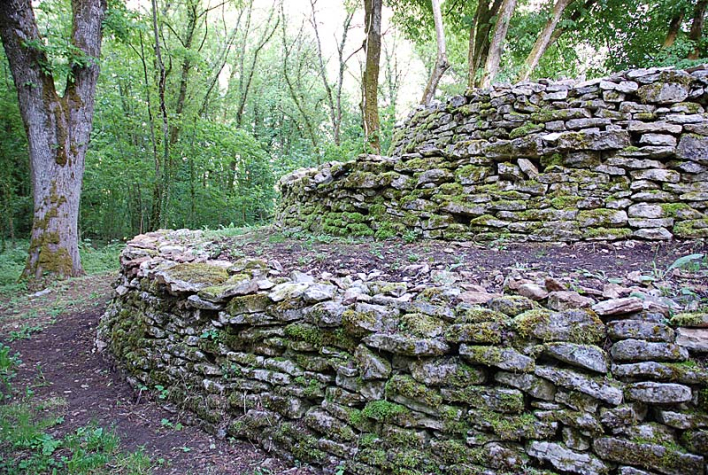
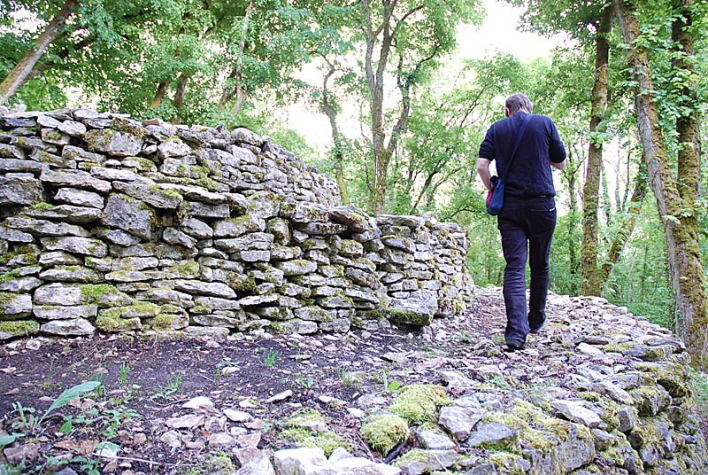
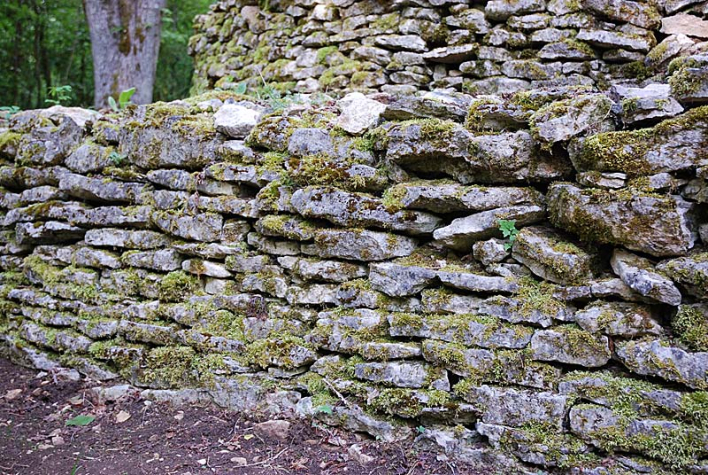
In the southern part of the Haut-Marnais region (from the Côte d'Or to the Haute-Saône), there are around fifteen dry stone aediculae, commonly known as "Escargots". Derived from the tradition of the older "labyrinth-buttes", the "Escargots" are truncated cone-shaped and support successive terraces on their periphery, or more generally a spiral path running from the base to the top.
These "Escargots" appeared after the Revolution in the English gardens of the region, in the same way and for the same purpose as the garden factories that were very much in vogue at the time. They developed in the south of the Haute-Marne throughout the 19th century in parallel with the fashion for English gardens, before disappearing with them at the beginning of the following century, gradually giving way to the fashion for landscaped parks, in the Langres region as elsewhere.
Snails" are original ornaments in the vernacular heritage of the Langres region, a testimony to the tastes and landscape entertainments in use during the Romantic period. Whether playful or functional, the "Escargots" all have a belvedere-shaped top that could provide original views.
L'escargot de Buzon