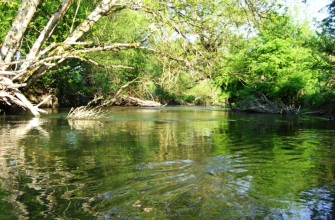
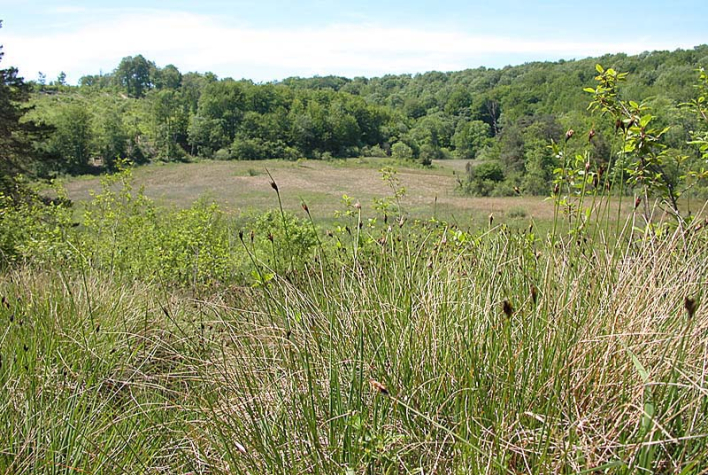
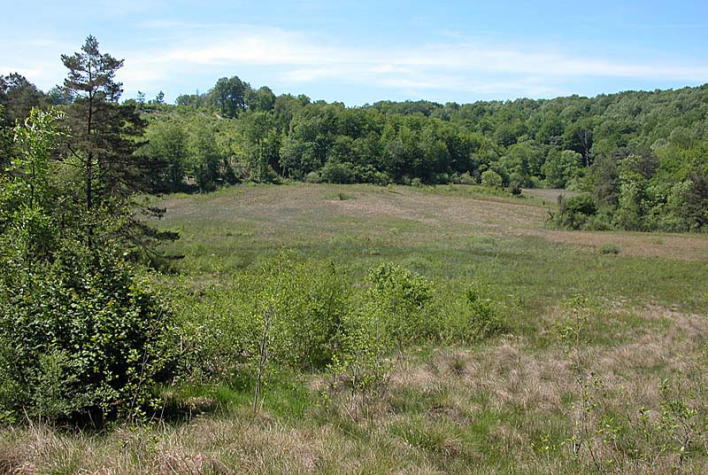
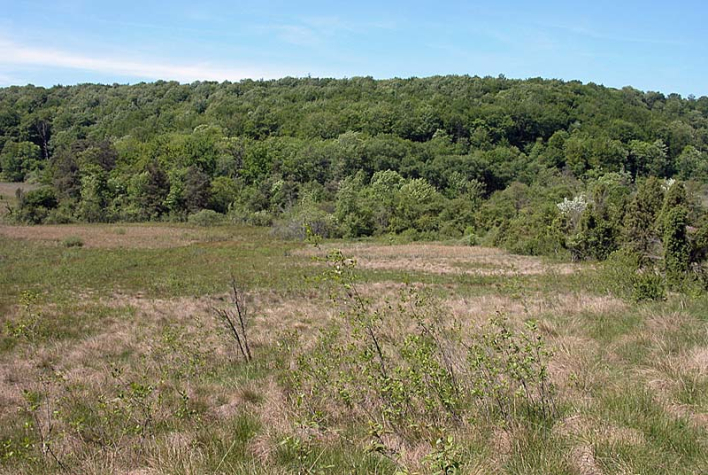
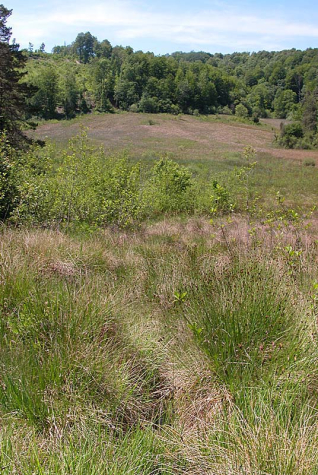
Classified in 1971 in the national pre-inventory of France's natural riches, this site is characterised by a continental climate with mountainous tendencies. The Vaucher marsh is a tufa marsh in an incised valley in the Montagne Chatillonnaise, the largest and richest in the Haute-Marne. The flora of this cold combe therefore deserves particular attention and respect.
The name "Vaucher" is probably derived from "vacher". The area was partly used as grazing land for cattle. Its remoteness was one of the reasons why it was abandoned.
Undeveloped site
Access reserved for an informed and respectful public
For nature lovers :
Vegetation :
The vegetation is highly characteristic and well adapted to the particular conditions of this grouping (schoenaie, jonçaie, magnocariçaie, molinia in less humid areas, etc.).), contains many species that are rare or endangered in Champagne-Ardenne, including six species that are protected at national or regional level and nine that are on the red list of endangered plants in Champagne-Ardenne: choin ferrugineux, which is very rare and protected in France (only found in the east of the country), and swertie pérenne, which is very localized in the plains, both of which (along with other localities on the Langres plateau and in the Côte d'Or) form an island far outside the range of these species, broad-leaved cottongrass, which has almost disappeared from the French plains, creeping willow, monkshood, great yellow gentian, common in the mountains but fairly rare on the plains (the stations in Champagne-Ardenne and Burgundy are the only ones known for the French plains), common carline, etc.
Fauna:
The fauna is no less interesting: the adder known only from this marsh in Haute-Marne, rare insects (butterflies and dragonflies) including the bog fadet (or daphnis), one of the most endangered butterfly species in France, protected nationally and listed in the French Red Data Book, the cordulégastre bidenté, a dragonfly of mountain origin that is rare throughout France, and the no less rare ringed cordulégastre, all three of which are on the regional Red Data Book. Some amphibians (such as the yellow-bellied sounder, fully protected in France since 1993, listed in appendix II of the Bern Convention and appendices II and IV of the Habitats Directive, included in the French Red Data Book and on the Champagne-Ardenne red list of amphibians) and reptiles (including the asp viper and the adder, listed in appendix III of the Bern Convention and on the regional red list of reptiles) frequent the site.
The Vaucher marsh is well preserved despite some deterioration: the central part has been badly affected by spruce plantations, and the downstream part is increasingly invaded by mariscus.
Le marais Vaucher