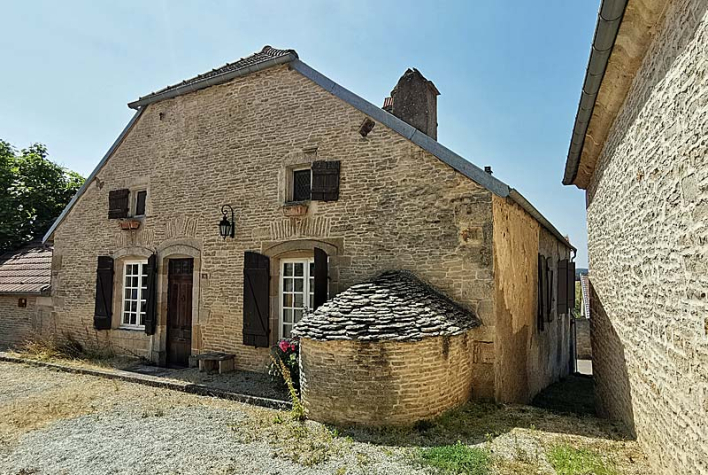
Initially, the gendarmerie's task was to follow armies on campaign, in order to suppress misdeeds committed by soldiers, deserters and other mercenaries. From 1536, under François 1st, the gendarmerie gradually became more sedentary. At that time, the maréchaussée could prosecute criminals other than soldiers. From the outset, the maréchaussée was a troop of horsemen. Its main mode of action was horseback riding. The provost marshal or his lieutenant roamed the territory of the company to keep an eye on the population and prevent crimes and misdemeanours.
The gendarmerie was usually located near the central square, as here in Montsaugeon. In addition to a stable, there was a fodder shop large enough to hold a year's supply, a yard for storing manure and grooming horses, a well (there were eleven in the village) and... a prison! Rural brigades often occupied buildings that could accommodate men, horses and equipment. They generally had no more than five men. Keep your eyes peeled! A grassed passageway to the right of this building leads to the rear of the old gendarmerie. Look at the wall facing the street: you'll see traces of two old arched doors. These are the doors of the former stables.
La gendarmerie à cheval de Montsaugeon