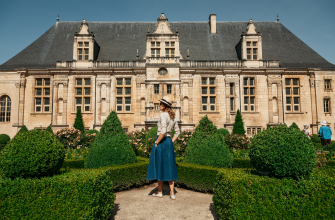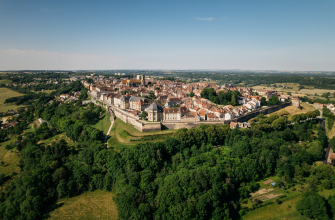
In Langres, from the end of the 16th century, the emergence of a bourgeoisie in the service of royalty coincided with the construction of the first private mansions. The acquisition of administrative responsibilities led to the upward social mobility of a number of families, who were keen to carve their success in stone. In 1613, Philibert Piétrequin, Lieutenant General of the Royal Bailiwick of Langres, had this mansion built.
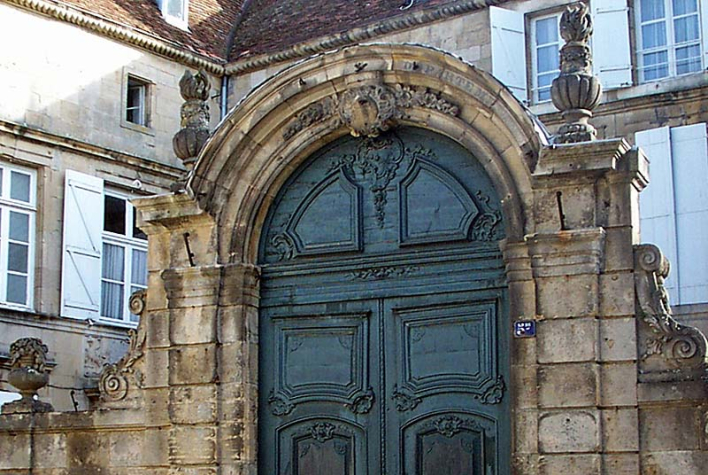
Set between courtyard and garden, the residence has an L-shaped floor plan. Adorned with a frieze of gadroons and gargoyles, the cornice is reminiscent of the Renaissance, which was then supplanted by the sobriety of Classicism. The courtyard is enclosed by a wall with a majestic 18th-century gate.
Hôtel de Piètrequin dit de Piépape