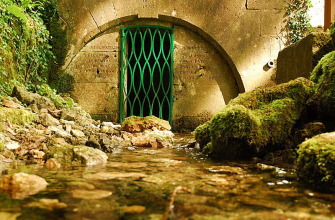
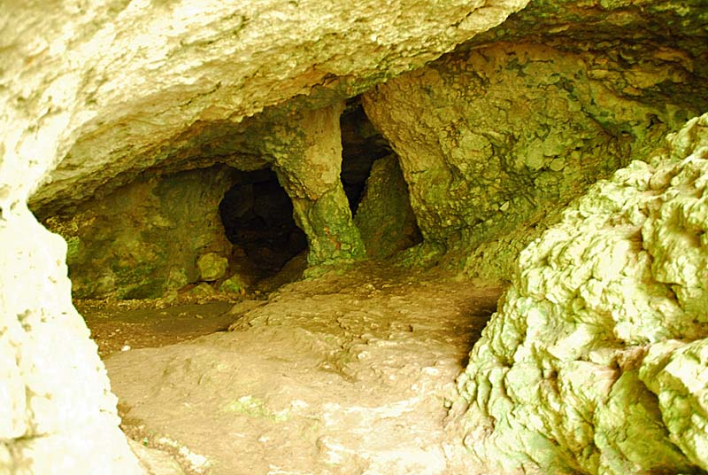
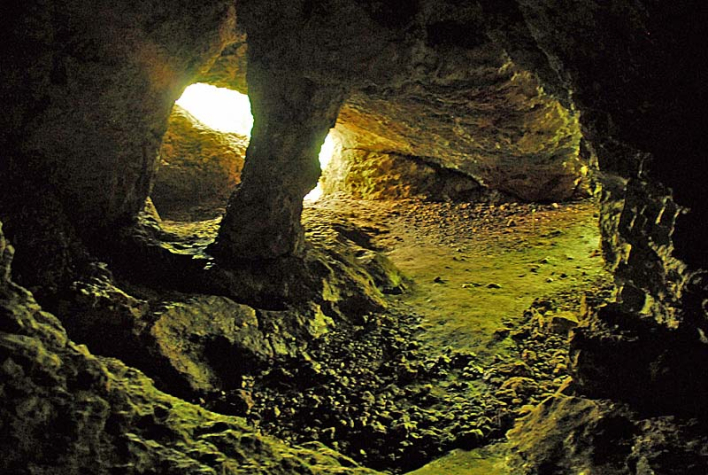
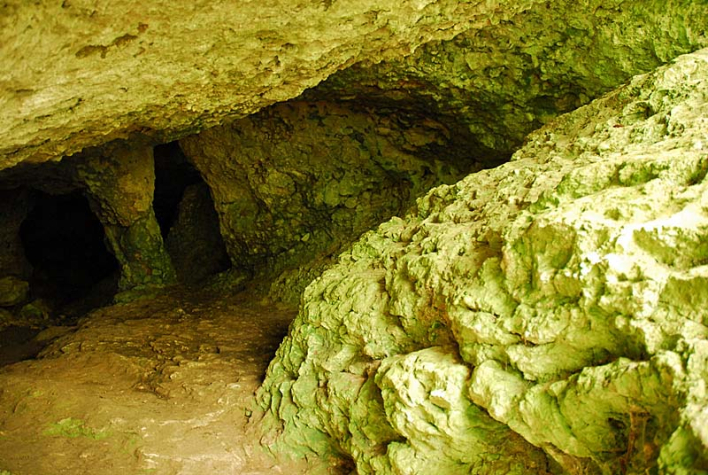
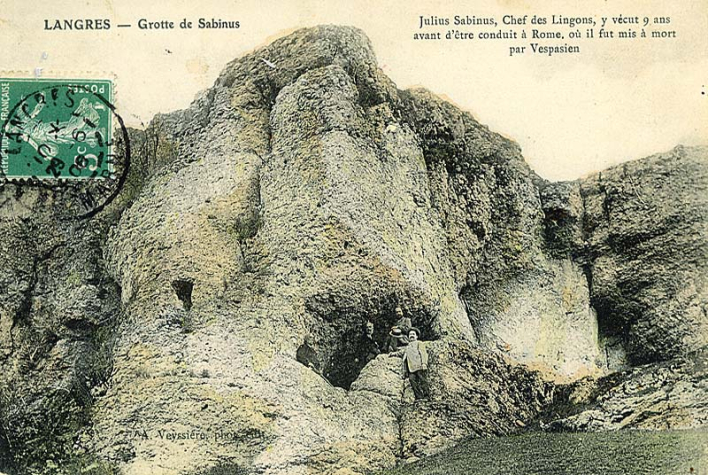
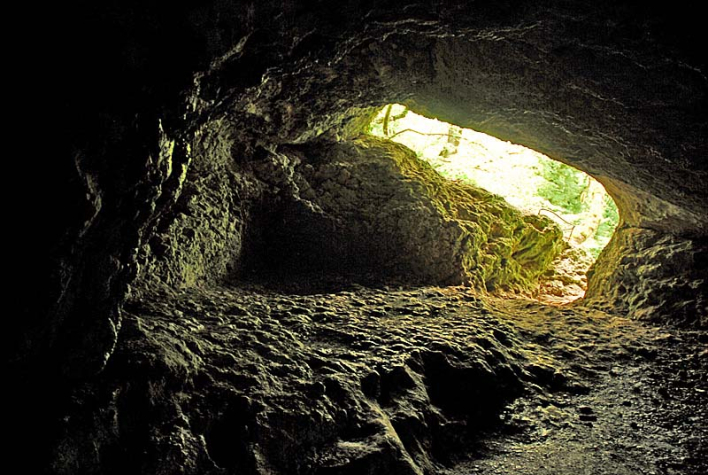
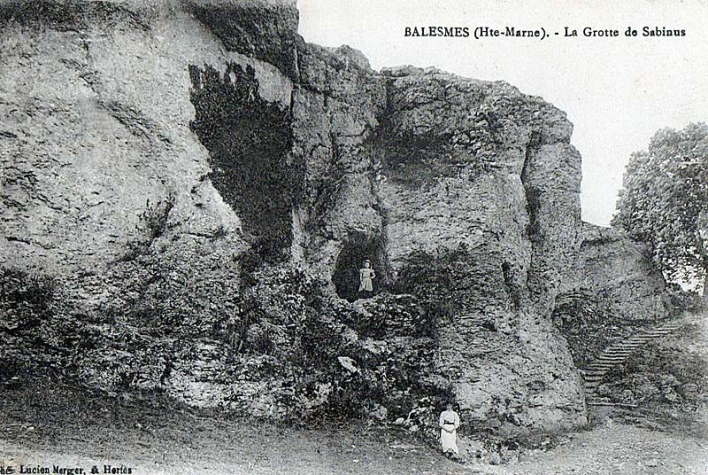
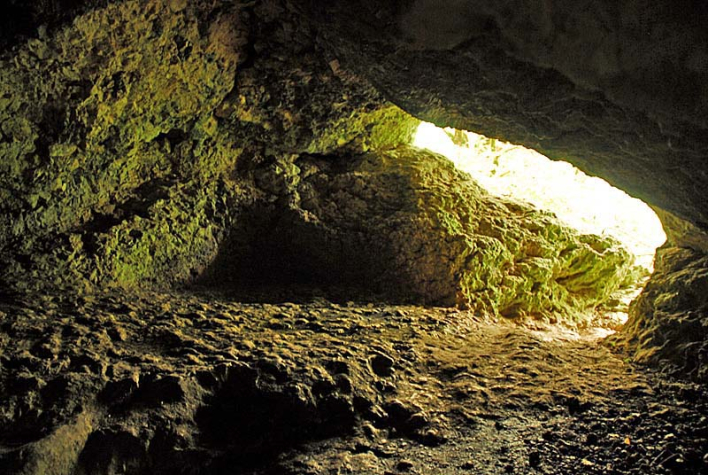
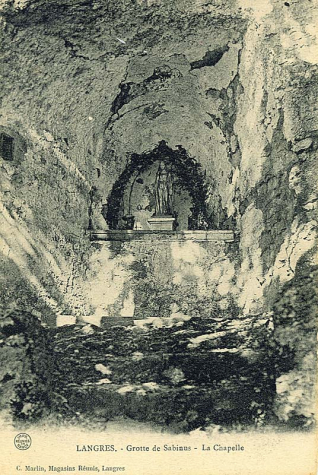
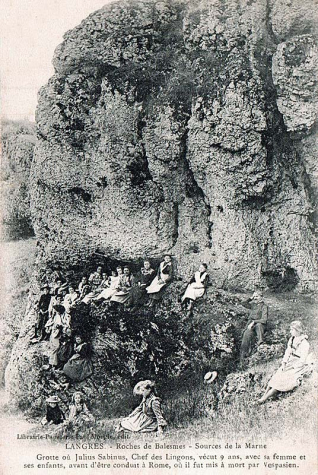
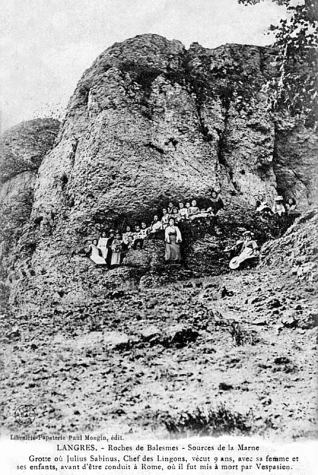
Developing just a few metres below the surface, this cave was probably formed during the last ice ages, when the subsoil of the plateau could freeze to depths of several dozen metres. During the summer, the surface layer was able to thaw, encouraging flows and the formation of dissolution galleries a few metres below the surface.
Between 68 and 70 AD, several peoples of Gaul and Germania rose up against the rule of Rome. They were led by several chiefs, including a Lingon, Julius Sabinus, who claimed to be the great-grandson of Julius Caesar. After a number of political and military victories won by this coalition, Roman legions from Italy and Spain succeeded in subduing this resistance movement in 70 AD.
This page in the history of the Roman Empire is recounted in great detail by the writer Tacitus and the Greek philosopher Plutarch. They recount the tragic end of Sabinus, who, after hiding for several years in an underground location, was captured and executed in Rome in 79 AD. Eponine, his Lingon wife, was tortured with him.
Popular tradition places Sabinus' underground refuge in this cave. However, there is no historical or archaeological evidence to support this...
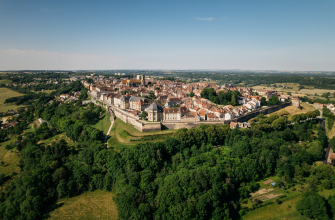
Panorama, source of the Marne, interpreted paths in the rocks leading to the source.
Grotte de Sabinus