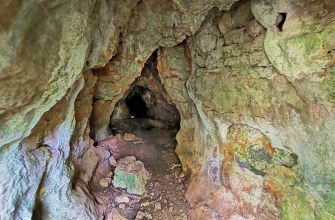
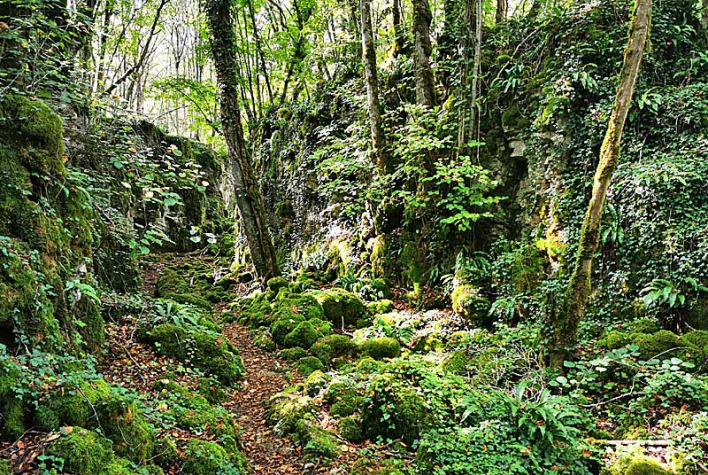
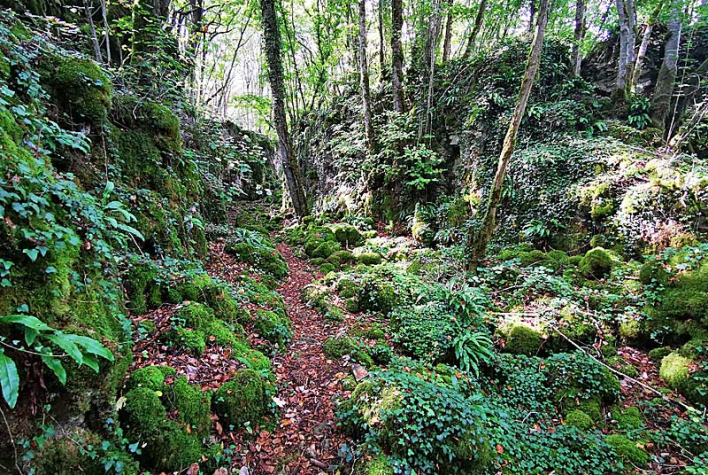
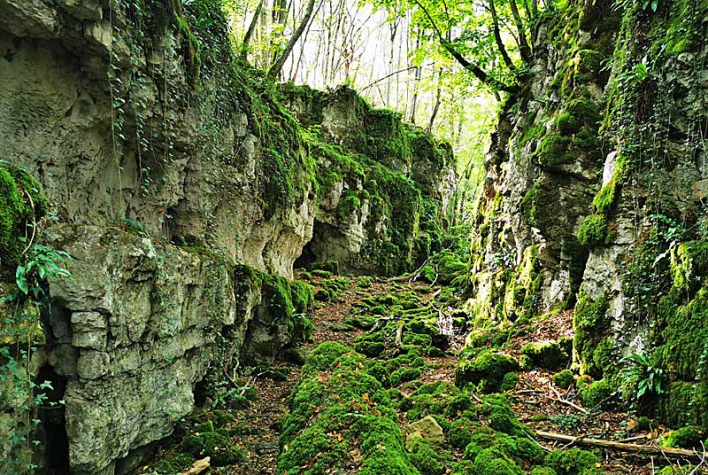
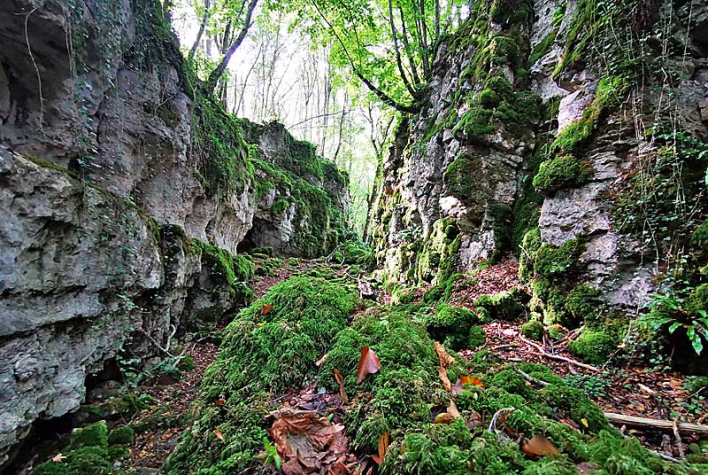
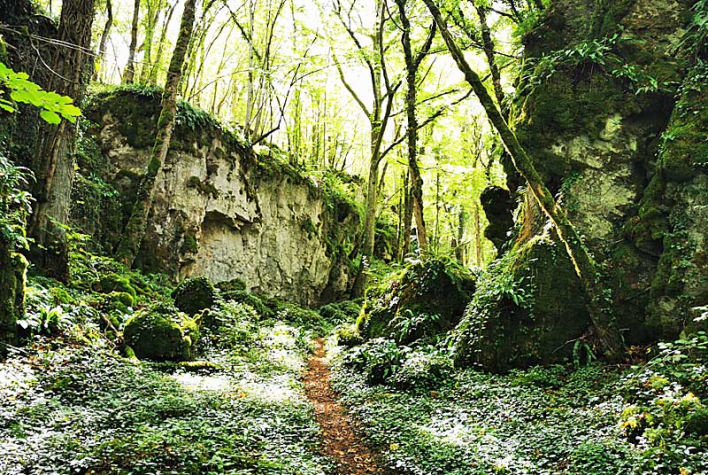
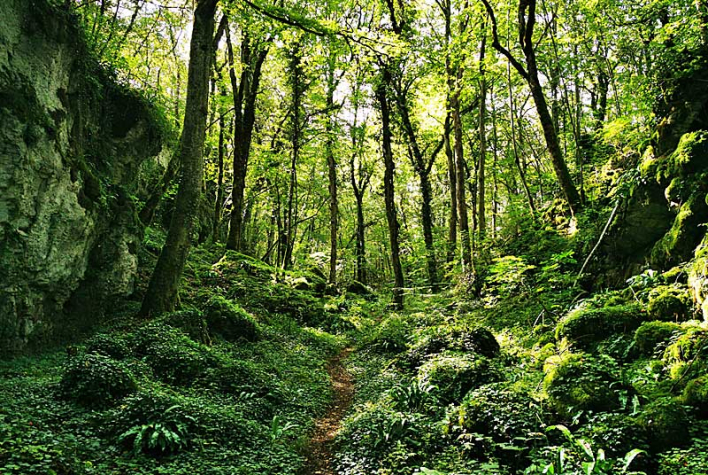
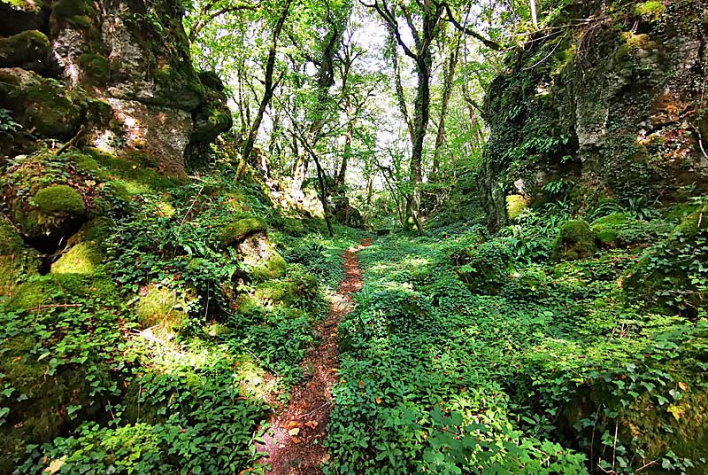
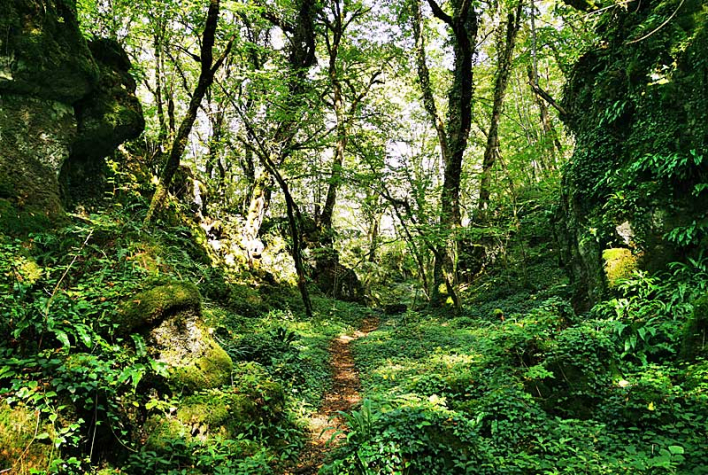
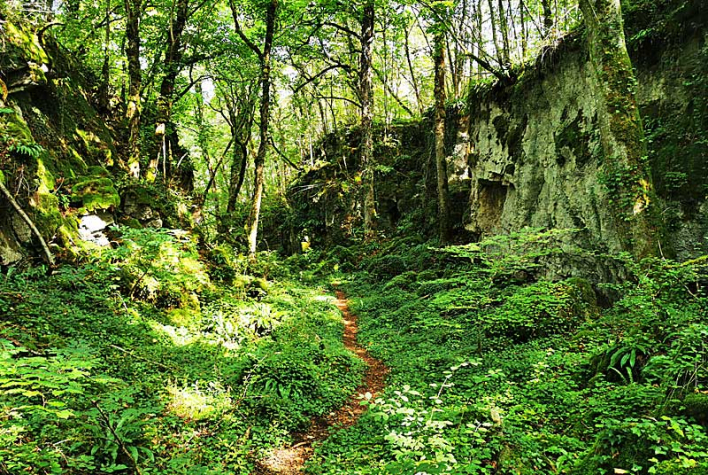
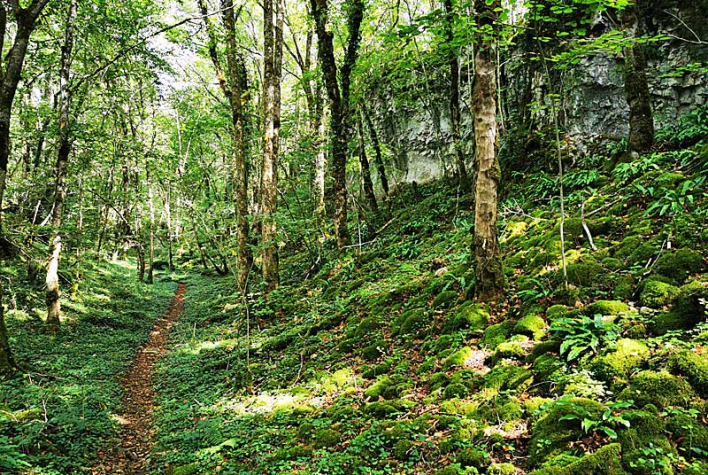
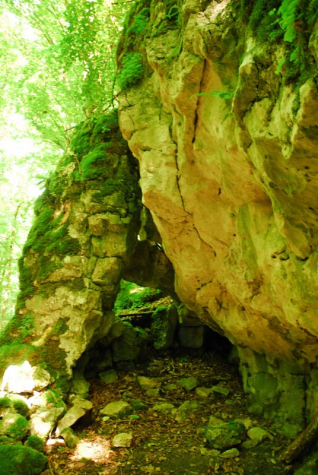
Also known as "Jehan Gustin's room", the cave comprises 4 galleries on several levels.
Other escarpments and caves: Roche-Belin, Roche du Duc, Roche Saint-Jacques, Roche Laduit, some of which have natural cavities: Trou des cosaques, Grotte de Senance.
Ecological trail and hike with the possibility of a guided tour organised by Nature Haute-Marne.
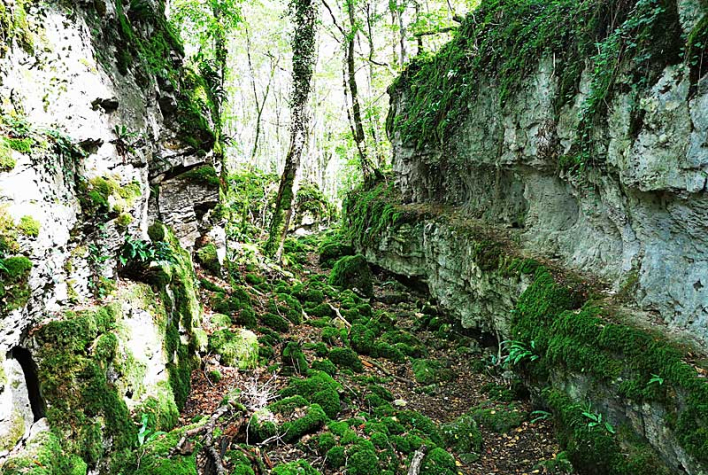
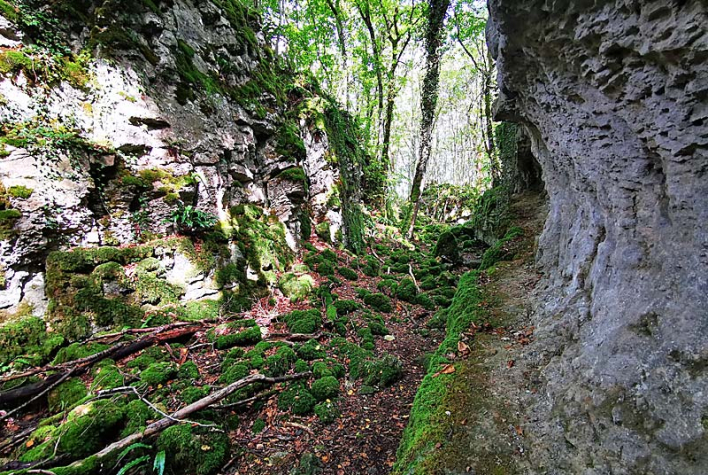
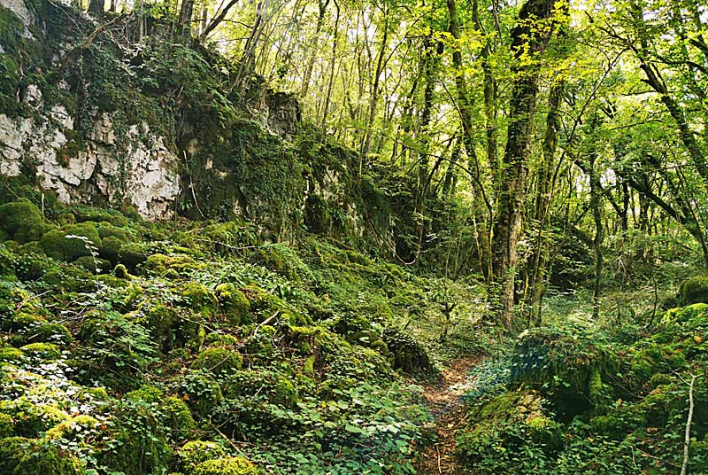
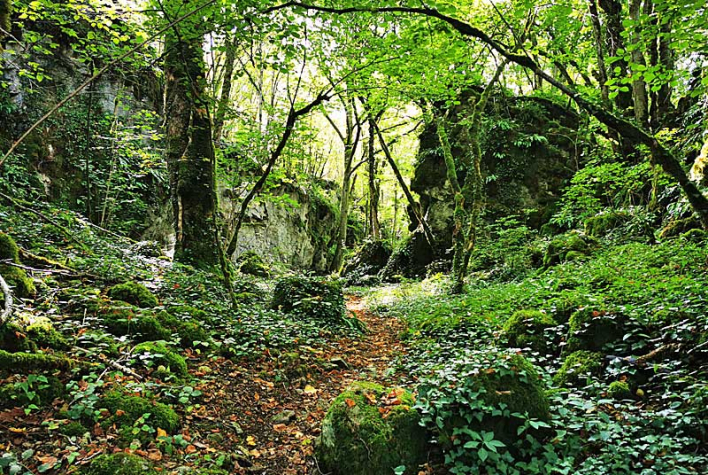
A very typical site on the Langres plateau:
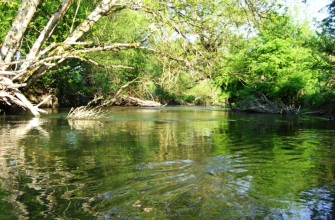
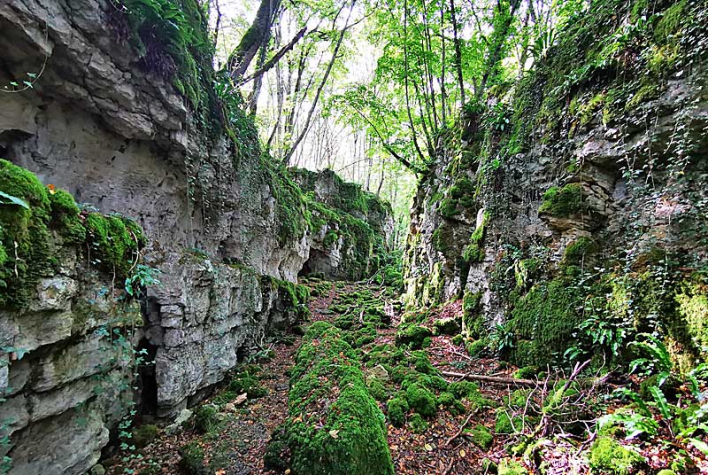
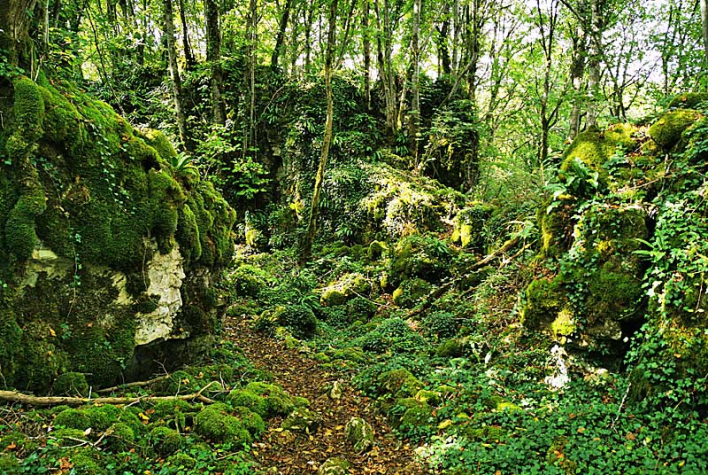
The Senance valley Znieff covers one of the major natural sites on the Langres plateau. This steep valley cuts deep into the Langres plateau; it is bordered by steep cliffs and ends in a series of narrow gorges. The edge of the plateau and the slopes are covered with mountain forests, similar to those in the Jura, which vary depending on their orientation: maple groves (on large boulders), dental beech groves, xerophytic beech groves, oak groves and plateau oak groves, etc.
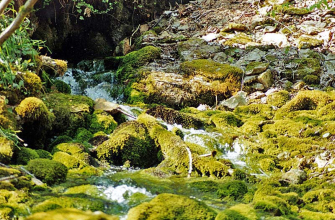
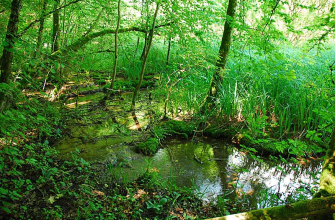
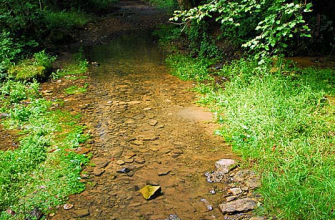
A network of springs, streams and marshes occupies the bottom of the valley; meadows can be seen downstream.
Vegetation:
Particular vegetation develops on the hard limestone walls. More than fifteen plant species, rare and endangered in the Hte-Marne region, can be found in this sector, mostly of mountain or southern origin depending on the exposure, including the Dentaire pennée, the Cynoglosse des montagnes, the Orme scabre, the Scolopendre, the Actée en épi, the Arabette des sables, the Buis, the Lunaire vivace, etc. The latter is protected in Champagne Ardenne. The latter is protected in the Champagne Ardenne region, with only three localities in Haute-Marne.
Mountain Cynoglossus or German Cynoglossus, as its name suggests, is a species found in the mountains of Central Europe. It is found in dry, nitrate-rich areas of limestone soil, such as the edges of burrows, game resting places and rock shelters. The hooks on its fruit allow it to be spread by mammals.
An interesting fauna:
The fauna is remarkably rich, including various reptiles and amphibians.
The avifauna is characterised in particular by numerous passerines (various warblers, Pipits and Warblers), various woodpeckers and birds of prey.
The site is frequented by numerous mammals (fox, dormouse, marten, deer, roe deer, etc.).
The entomofauna is varied, particularly in terms of butterflies (Little Sylvain, Tristan, Spanish Tobacco, Tircis, Geographical Map, etc.).
The Pine Marten is found in both deciduous and coniferous forests. This species is in decline throughout Europe. Mainly nocturnal, it lives in tree holes, rock crevices or abandoned squirrel nests.
Gorges de Sénance