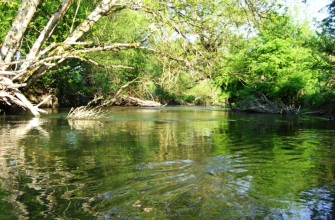
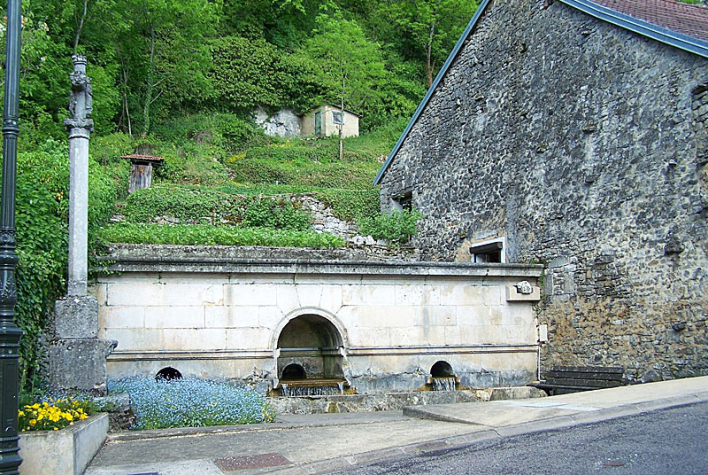
According to Isidore of Seville and Saint Augustine, the term Dhuys originally referred to a divine spirit worshipped by the Celts, associated with watercourses and fertility. The Lingons worshipped him locally at the Poulangy spring, seeing him as a creative genius linked to the forces of nature.
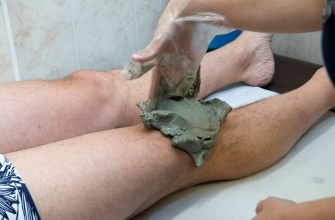
Over time, Roman and then Christian traditions incorporated these beliefs. In the 18th century, water from the spring was still used by canonesses to treat mental disorders and by villagers to promote pregnancy, beliefs that lasted well into the 20th century (headaches).
In 1825, the natural spring was transformed into a fountain, recalling the original triad. Later, in 1891, an alizarin test scientifically demonstrated the link between this fountain and a nearby water table, confirming the hydraulic importance of the site.
Finally, in 1954, excavations uncovered a Gallo-Roman necropolis near the spring, attesting to its sacred status since Antiquity.
The cross
In 1733, the canonesses of the abbey had a devotional cross erected at the Dhuys site. This double-sided cross depicts the Virgin Mary holding the infant Jesus on one side and Christ on the cross on the other. It is likely that this cross originally faced the rue de la Dhuys, as the Virgin and Child looked out over the sacred spring that the abbey was trying to Christianise.
Fontaine et croix de la Dhuys à Poulangy