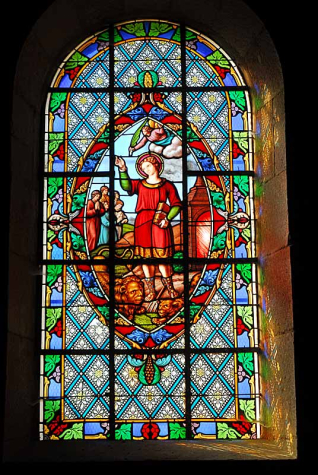
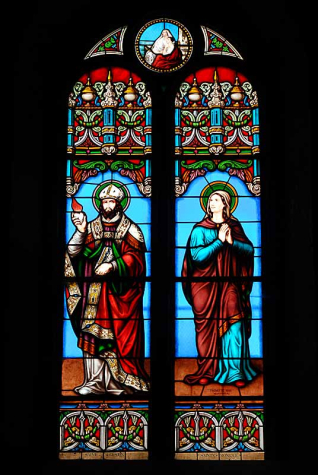
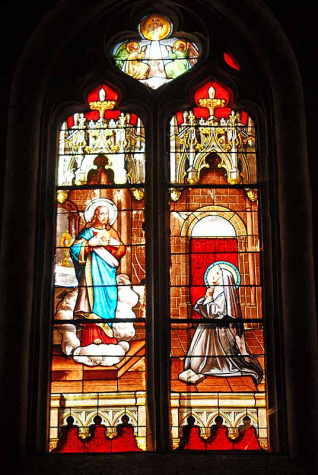
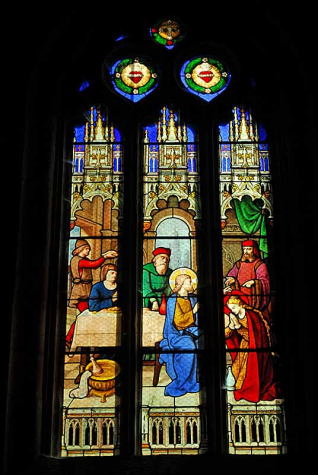
Since the foundation of the Sainte-Marie-Madeleine priory in the 10th century by the abbot of Saint-Bénigne de Dijon, it had served as the parish church for the newly-created village. However, the construction of the fortress by the Count of Champagne forced the priory to be destroyed and then transferred to the new parish church in 1237, which was appointed by the abbot of Saint-Bénigne de Dijon.
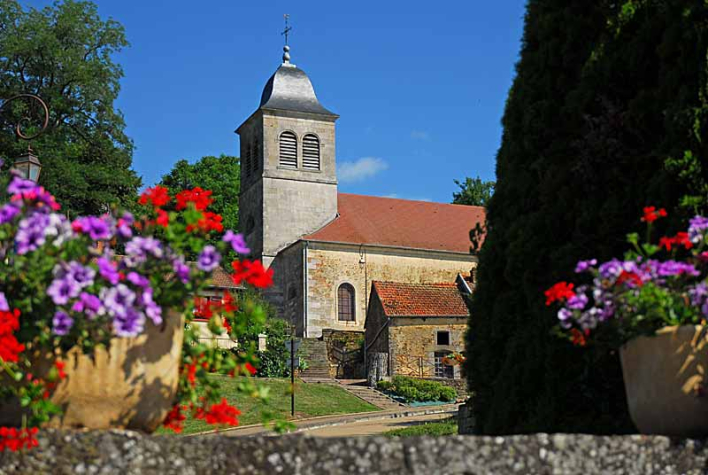
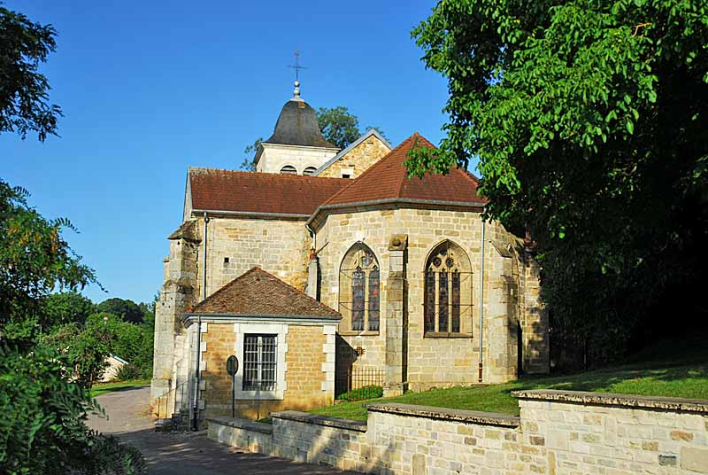
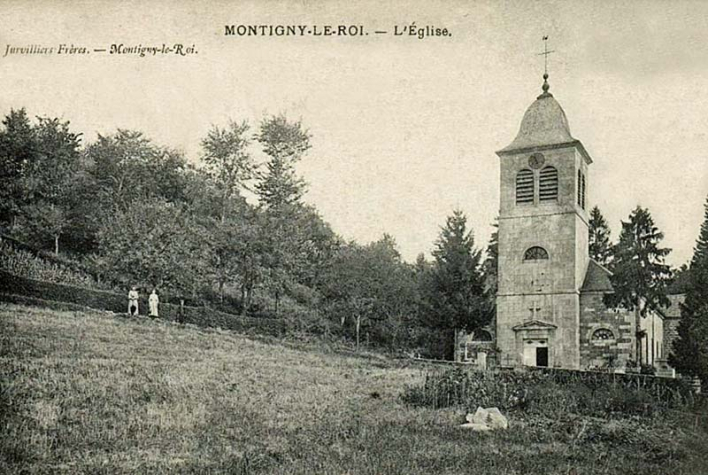
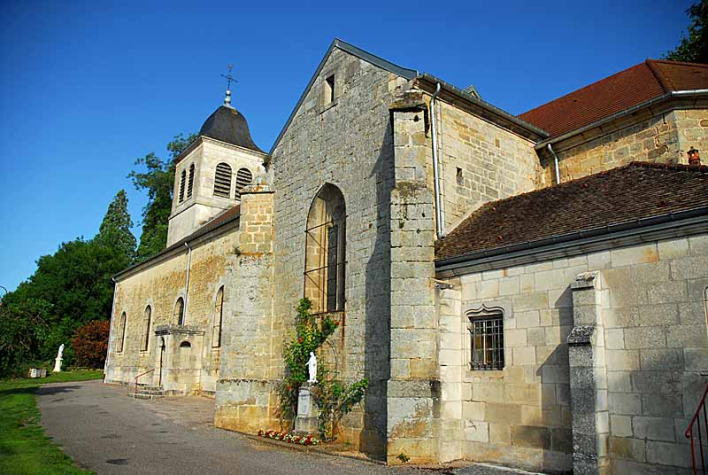
The 13th-century parish church of Sainte-Marie-Madeleine de Montigny was completely rebuilt in Rhaetian sandstone shortly after the Wars of Religion. The single-bay rib-vaulted choir and rib-vaulted transept were rebuilt at the end of the 16th century by local notables who left their coats of arms on either side of the triumphal arch: the Genevois on the left and the descendants of the Saladins d'Anglure on the right. The nave, with its single paneled nave, was in ruins at the end of the Revolution and was rebuilt in 1828, as attested by a commemorative stone at the main entrance. On this occasion, the nave was widened by seven metres on new foundations, and the roof raised proportionally, by the contractor Claude Dondot de Marac, to plans by the architect Chaussier de Chaumont. The work required 60 cars of stone from quarries in Biesles (52), Châtillon (88) and Montvaudon (70).
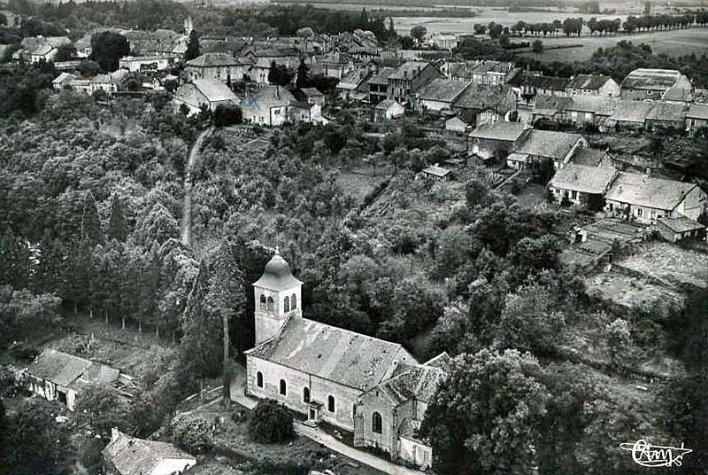
The church at Montigny, with its classic slate-roofed bell tower and porch, is particularly sober, with no exterior decoration.
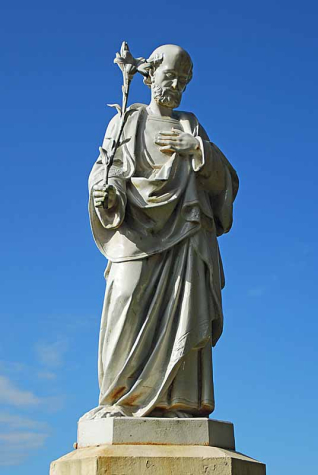
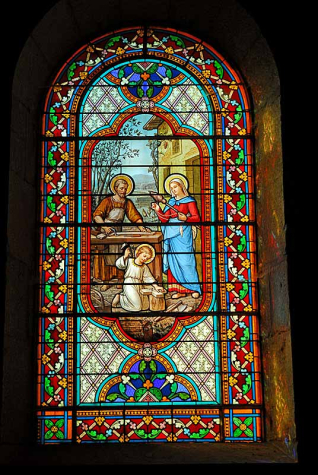
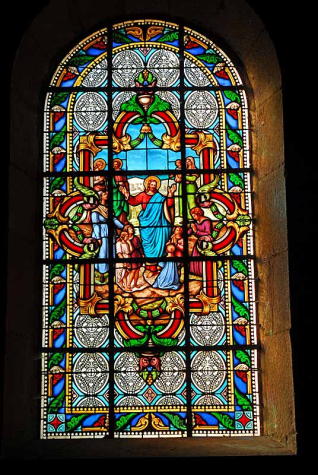
Inside, the furnishings are quite remarkable. On the left as you enter, you will see the polychrome wooden altar dedicated to St John the Baptist, dating from the 18th century. There is also the 18th-century wrought-iron choir screen, listed as a Historic Monument by decree of 23 December 1925. On the right, under the triumphal arch, are the celebrants' seats, which came from Morimond Abbey after the Revolution. Lastly, there is a Eucharistic oculus in the chevet wall, designed to honour the Blessed Sacrament from the outside when returning from the fields, a common feature in churches in the Bassigny region. A neo-Gothic sacristy was added to the south of the choir at the beginning of the 20th century.
Eglise Sainte-Marie-Madeleine de Montigny-le-Roi