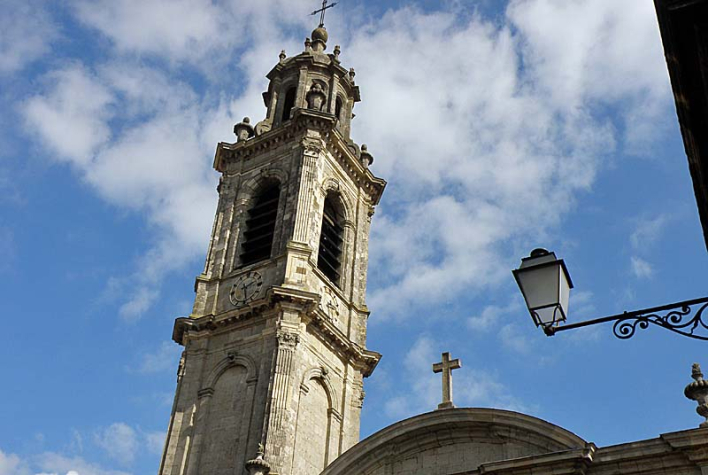
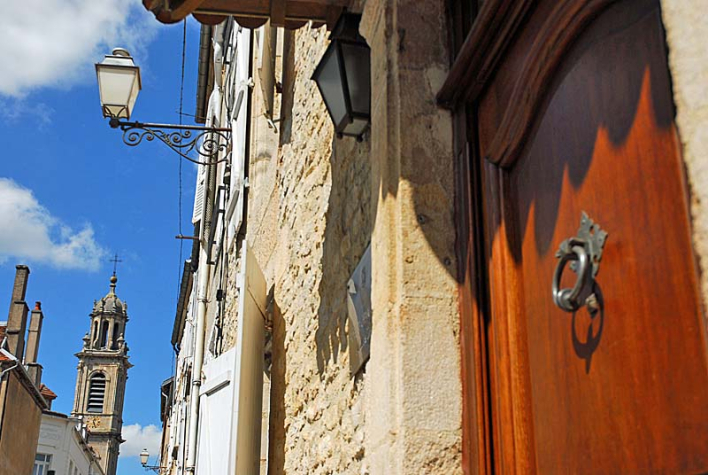
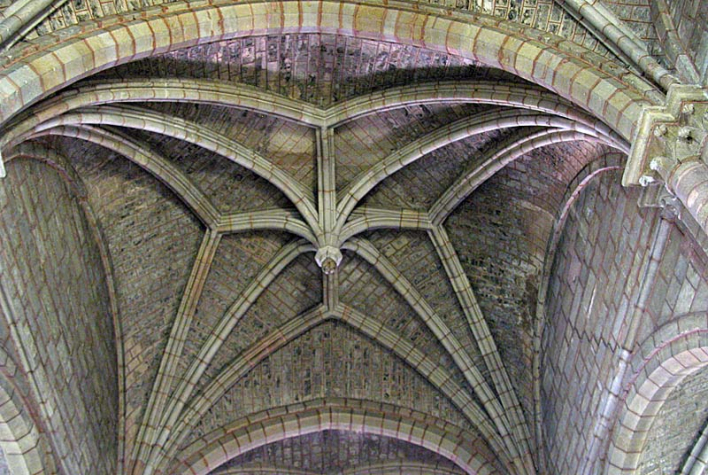
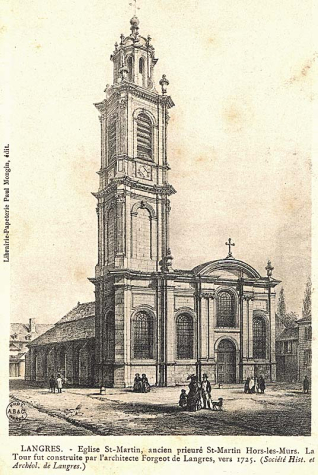
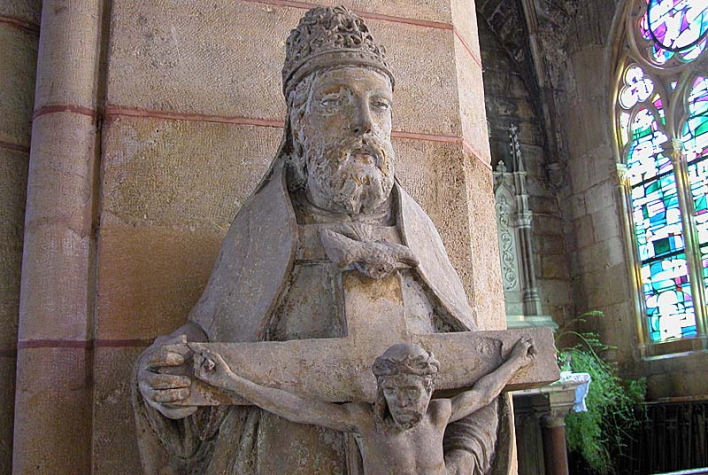
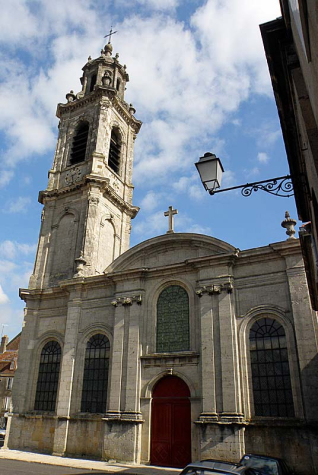
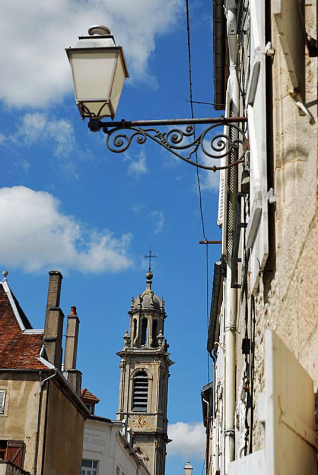
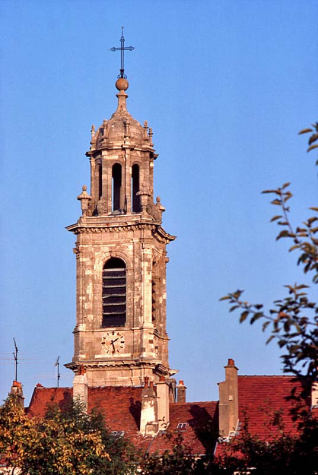
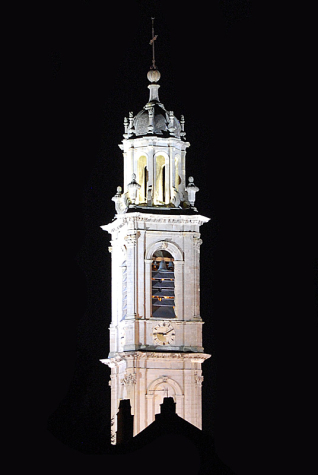
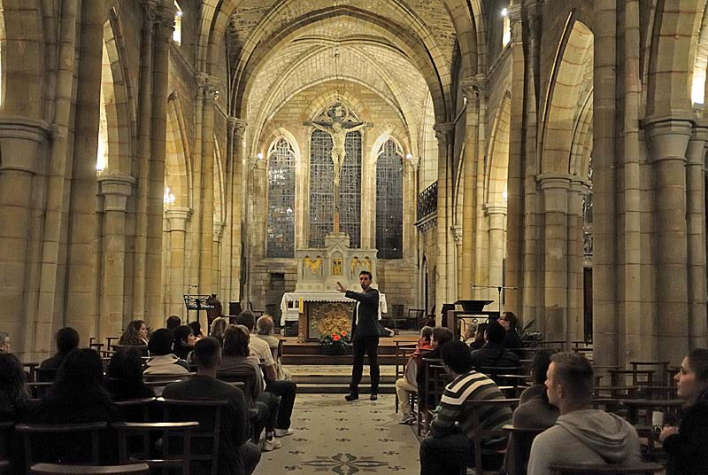
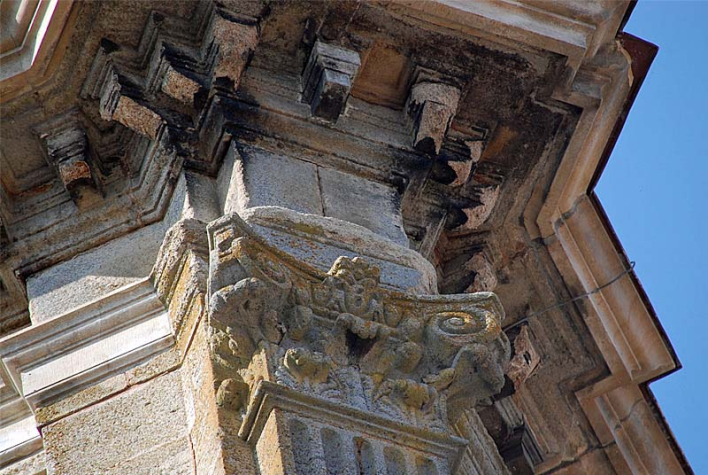
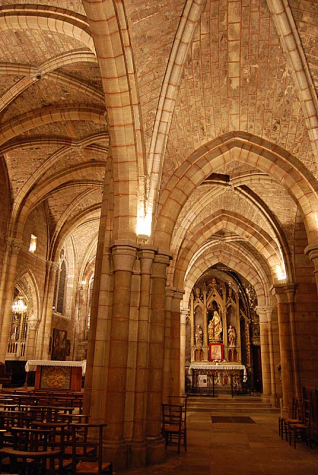
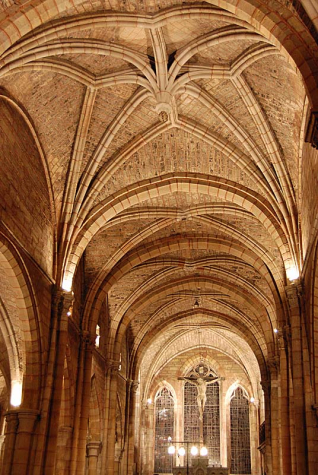
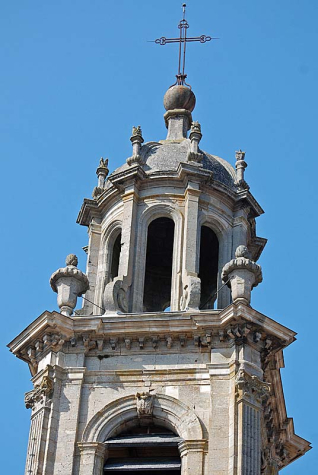
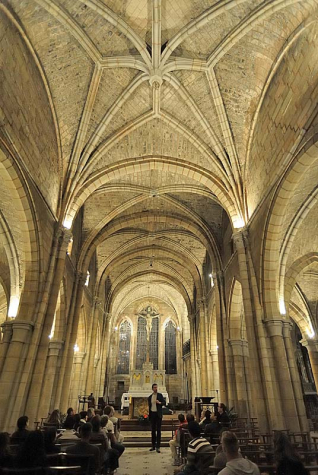
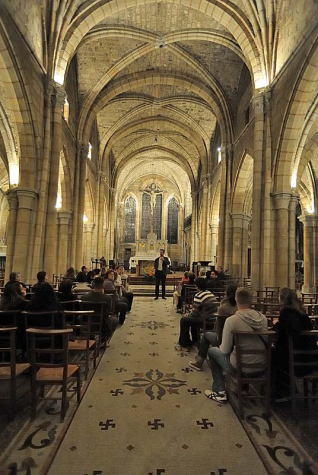
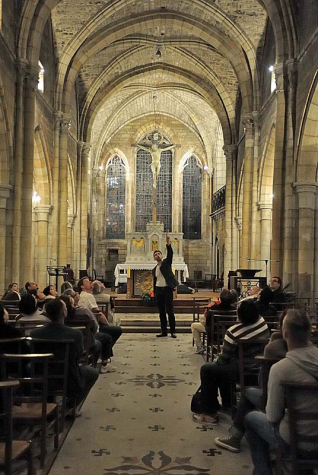
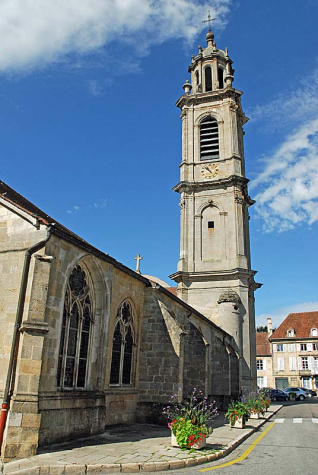
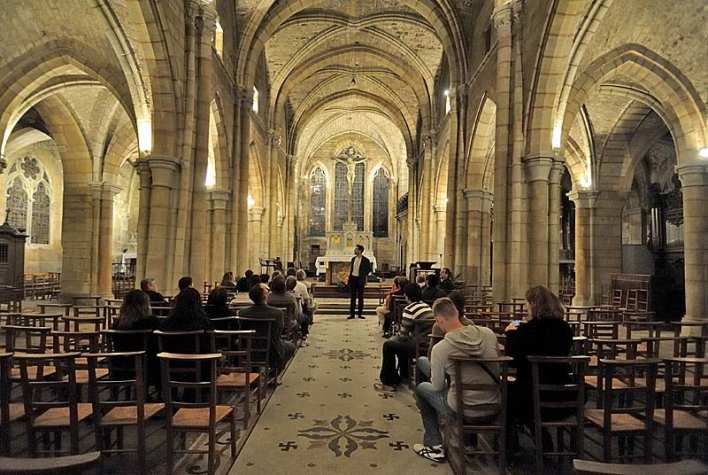
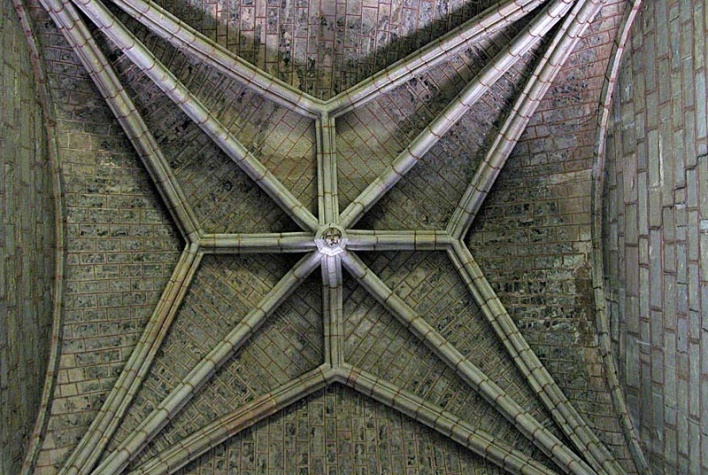
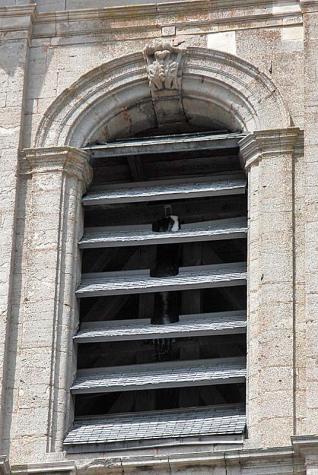
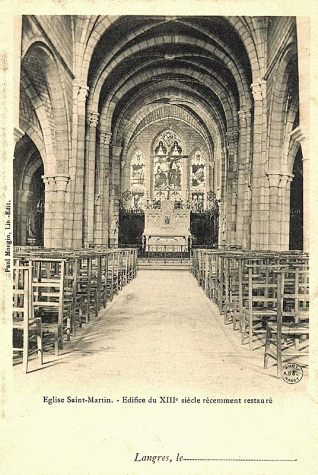
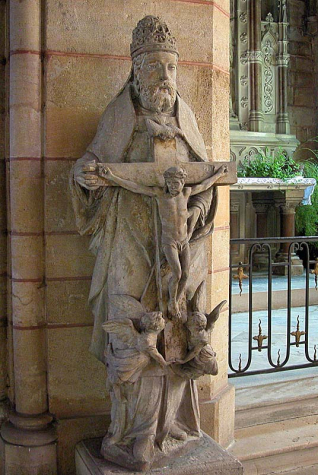
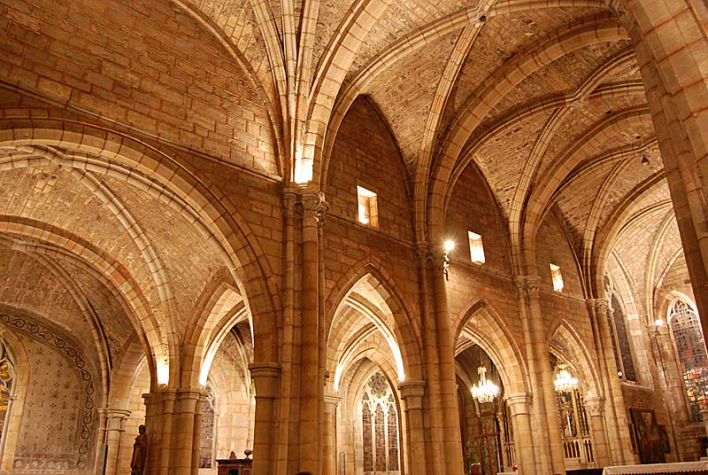
Attested as early as the 11th century, the priory of Saint-Martin was established outside the city walls. It was at the origin of a district that was incorporated into the city walls in the mid-14th century. The current building is the result of several construction campaigns, from the 13th to the 18th century. The choir and most of the nave date from the first period. The fire of 1725 provided an opportunity to transform the building, with the aisles being doubled in keeping with the original Gothic style. Claude Forgeot, the architect from Lange, reserved his creativity for the façade, which was completed in 1745. The façade is sober and symmetrical, with the emphasis on the portal frame, which is decorated with an Ionic order and topped with an arched pediment. The single bell tower does not follow the same symmetrical design: did Forgeot have a counterpart in mind? At 52 metres high, it has four distinct levels. The first level respects the sobriety of the façade; the second is blind and flanked by pilasters with Corinthian capitals; the third, pierced by bays fitted with lampshades, has pilasters with composite capitals. The whole is topped by a campanile lavishly decorated with fire pots and pilasters whose bases are transformed into fins, giving this monument the most delightful Italian touch in the region.
Eglise Saint-Martin de Langres