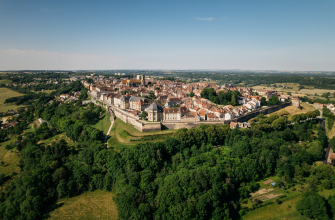
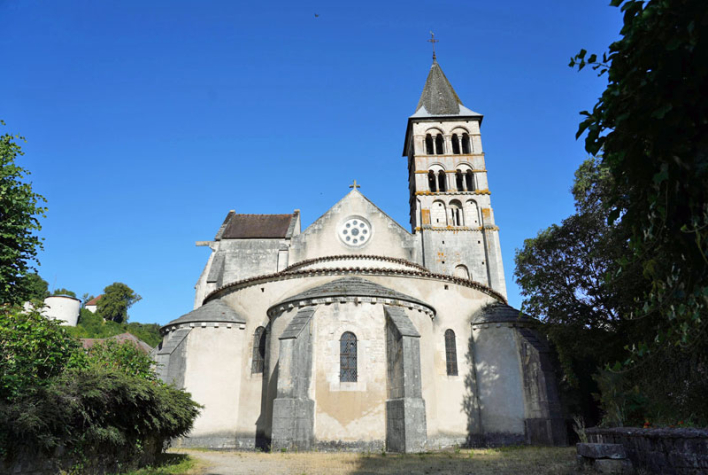
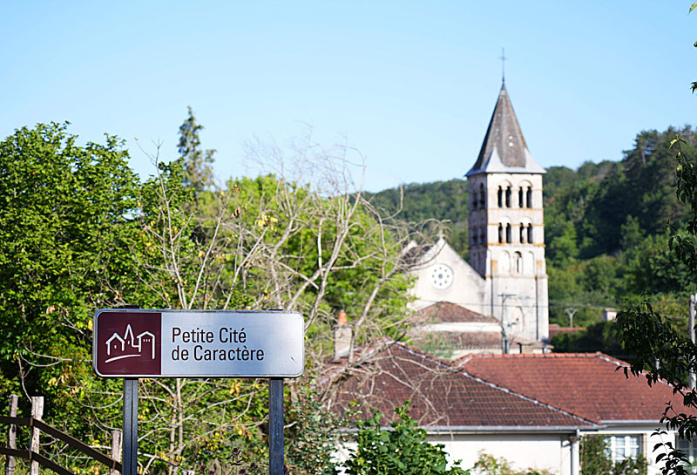
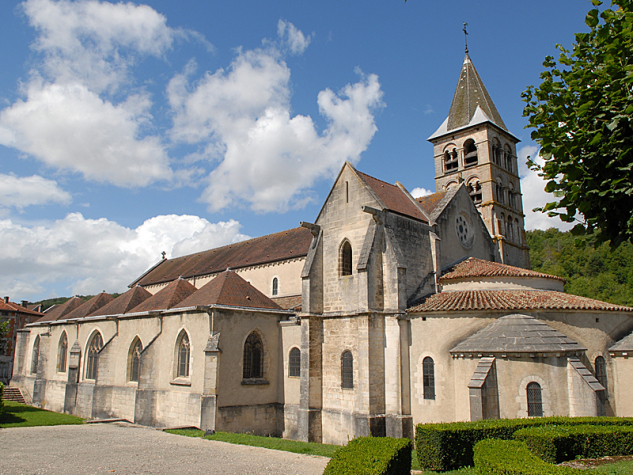
Dominated by the castle of the Lords of Vignory, Saint-Étienne church was built at the very beginning of the 11th century by Gui I de Vignory and consecrated around 1050 by his son Roger I. Roger I appropriated the lands of Vignory, which had been owned by the Luxeuil abbey since Charlemagne (768-814), and donated the new church to Saint Bénigne de Dijon.
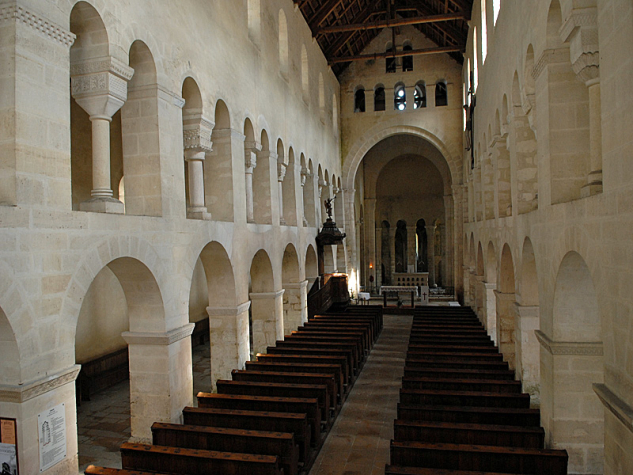
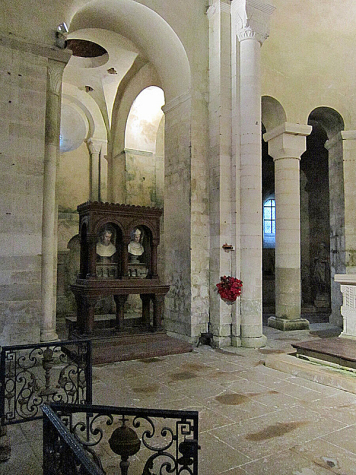
With its roof frame, now visible, its 3-level nave including a triforium with capitals featuring primitive sculpture, and its ambulatory choir, Saint-Etienne's church is an important example of pre-Romanesque architecture in France.
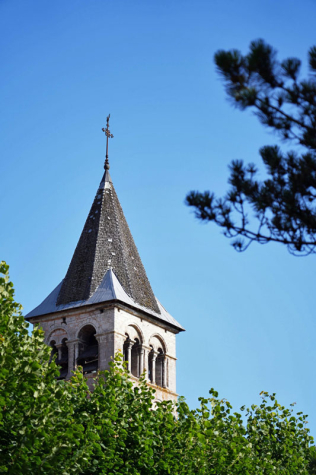
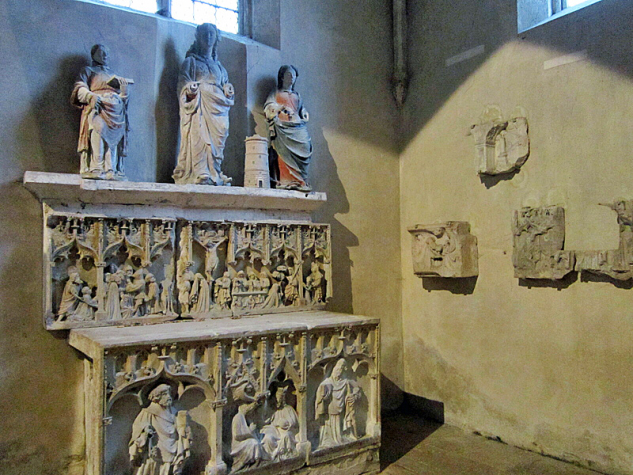
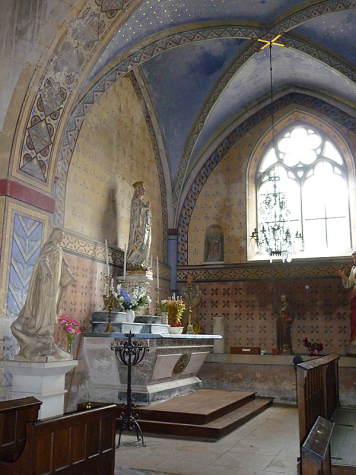
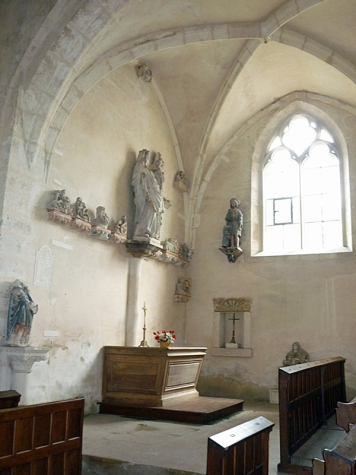
The bell tower was built in the mid-12th century and the side chapels between the 14th and 16th centuries. The side chapels are home to a large number of medieval statues, including several from the 15th-century sculpture workshop known as "de Vignory-Joinville", as well as 14th- and 15th-century funerary slabs.
The tabernacle and pulpit, attributed to Jean-Baptiste Bouchardon, enrich Saint-Etienne's church with works from the 18th century.
Listed as a Historic Monument in 1846, it was restored between 1844 and 1860 at the suggestion of Prosper Mérimée.
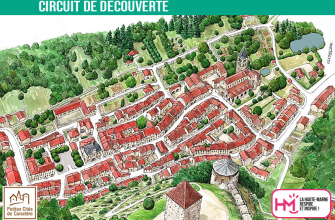
It is part of the Vignory Heritage Discovery Trail, created in 2008.

Visit available on the free Id-Vizit app!
A real personal travel companion, Id-Vizit offers you personalised, fun and interactive tours!
+ More info about Id-Vizit
Eglise Saint-Etienne de Vignory