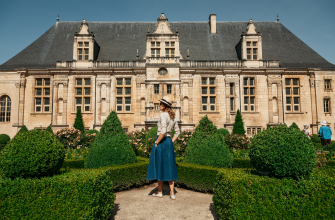
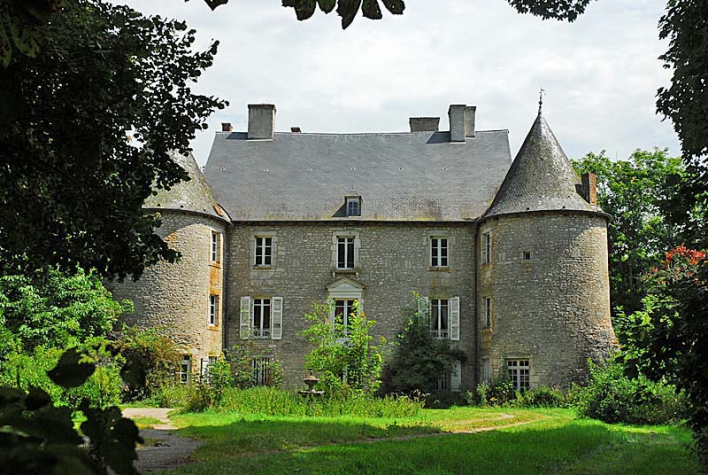
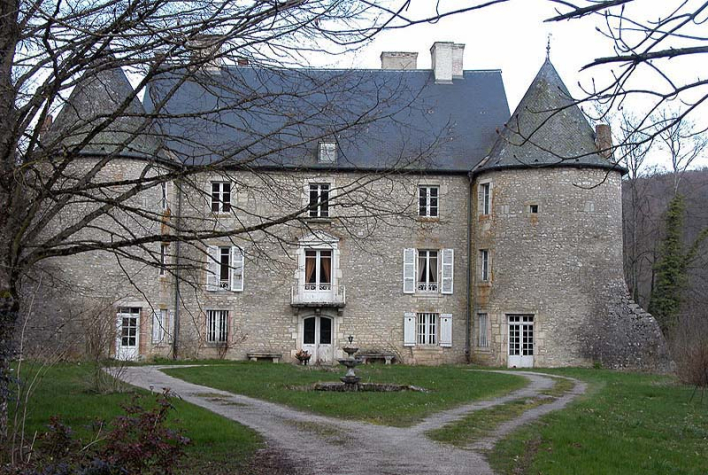
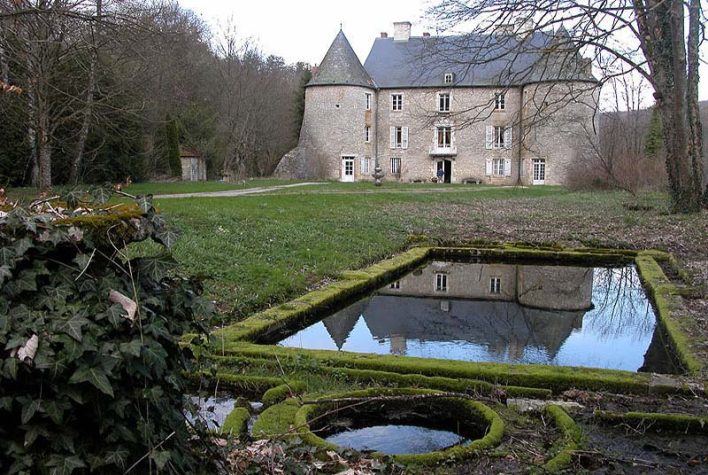
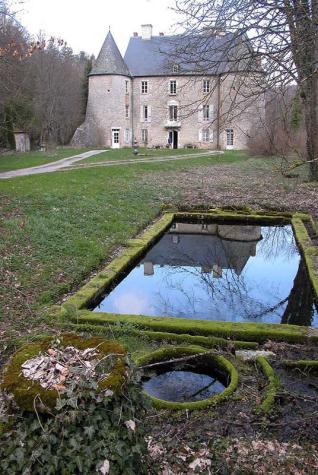
Vivey is a seigneury that has almost always belonged to the House of Grancey. It was a member of this family, François Rouxel de Médavy, brother of a French marshal, who built the present château in the 17th century. The residence was intended to serve as his pleasure home, but the bishop of Langres did not stay there long, as he had not yet taken possession of his see and had been appointed archbishop of Rouen.
At the beginning of the 18th century, the castle and fiefdom belonged to the Seurot family, lords of Vaux, Isômes and Cusey (in today's Prauthoy canton). These wealthy bourgeois from Langres only visited Vivey during the summer months. When she married Jean Léaulté (from a family of Dijon parliamentarians) on 14 October 1728, Rose-Gabrielle, daughter of Jean Seurot and Anne Pillot, received the fiefdom of Vivey as a dowry. The newlyweds had fourteen children, nine girls and five boys, one of whom died in infancy. The Léaulté family settled in Langres and formed alliances with several Langres families (the Guyot de St-Michel, Lallemand de Pradine, Delecey, de Marivetz, etc.).
The four sons of Jean Léaulté were ennobled by an edict of April 1771. In accordance with the custom of the Ancien Régime, they added the names of their fiefdoms to their surnames. Thus Bernard, the eldest, took the name Léaulté de Lécourt, Louis, the second, Léaulté de Blondefontaine, Jean-Baptiste, the third, Léaulté de Grissey, like his father. The last, Jean-Christophe, kept the sole name of Léaulté de Vivey and, more than his brothers, belongs to the History of Vivey (see "La Croix-au-Loup").
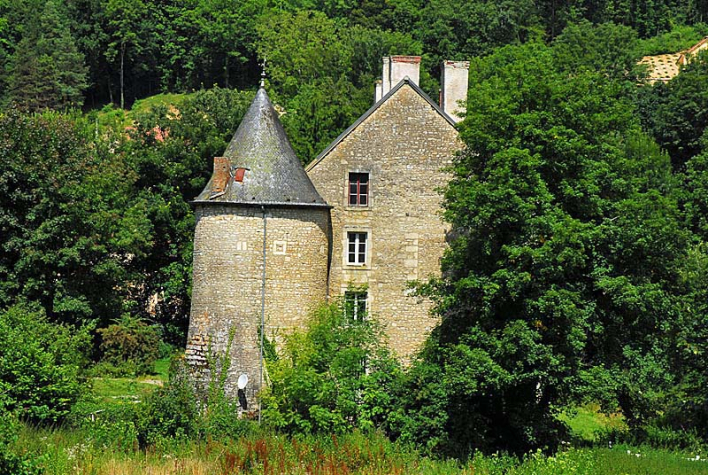
Of medieval inspiration, the château is notable for its two towers with conical slate roofs. After the Grancey family, several families succeeded one another. At the end of the 19th century, the residence belonged to the Delecey family. Its romantic charm inspired André Theuriet, a member of the Académie Française, to write his novel Raymonde. The château then passed to the Countess Mercier, who sold the estate in 1936 without an heir.
It was not until a few years later that the château became home to a hotel-restaurant, "Le Relais du Lys", which was open for 12 years during the summer season. Thanks to its good reputation, it welcomed visitors from far and wide, and even famous visitors, albeit incognito. Fresh produce and original dishes tinged with nouvelle cuisine were served in an almost historic setting.
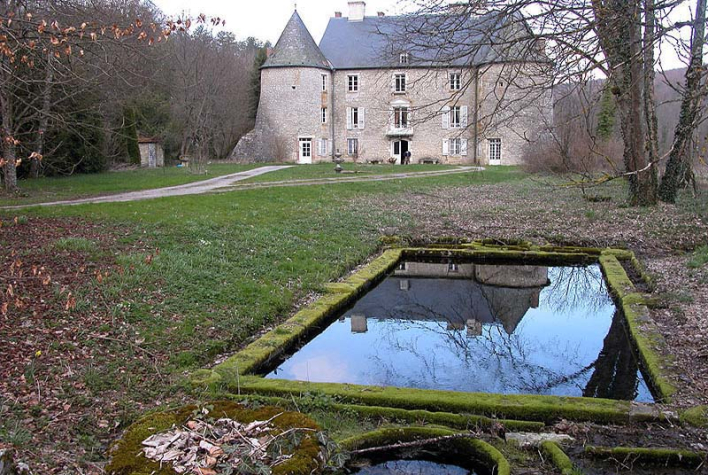
Today, the old building remains empty and the vegetation is reclaiming the place, as it has done for a long time now in the owner's other possessions.
No visits: private site only visible from the outside.
Château de Vivey