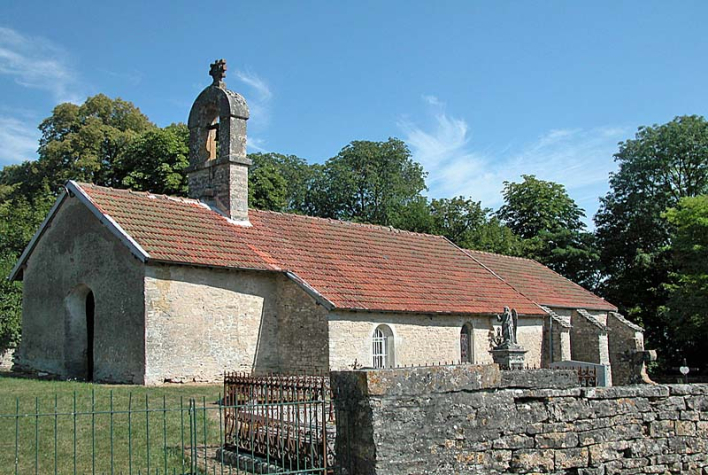
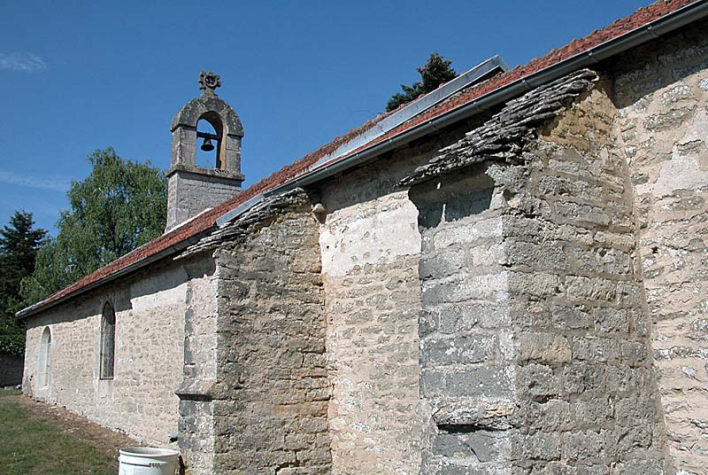
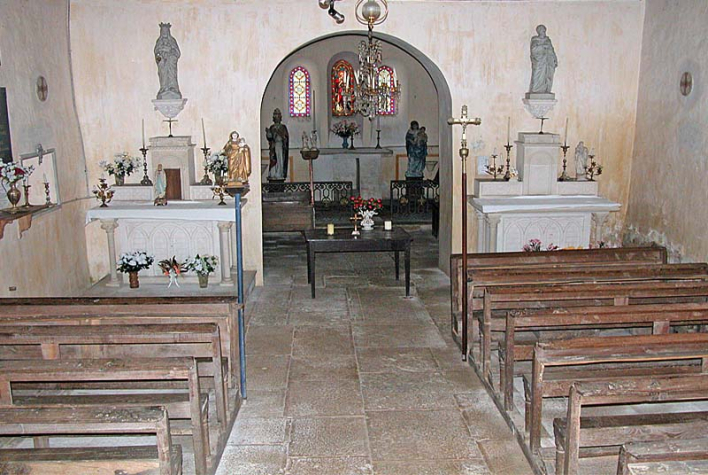
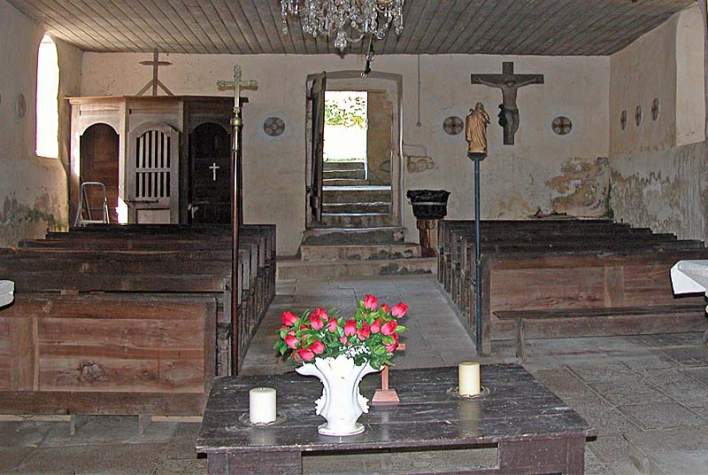
The chapel was listed on the Inventaire Supplémentaire des Monuments Historiques on 16 January 1939.
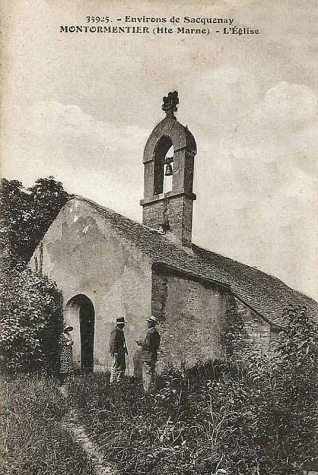
Saint-Pierre church overlooks the Vingeanne valley. Partly buried, it is surrounded by a cemetery. Built around 1100, it is typical of the Romanesque period. The older central part dates from the end of the 11th century.
By the 13th century, the church and its cemetery had become the centre of religious life in the region. A litre, an 80 cm high band, the sign of a funerary chapel, can be seen inside the Trestondam chapel dating from the 15th century.
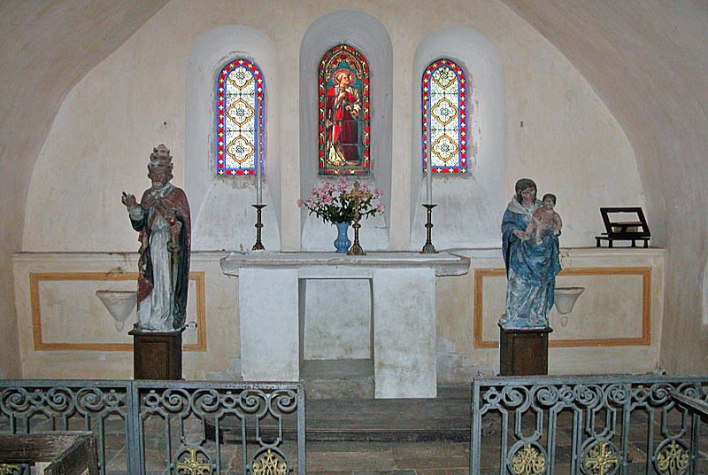
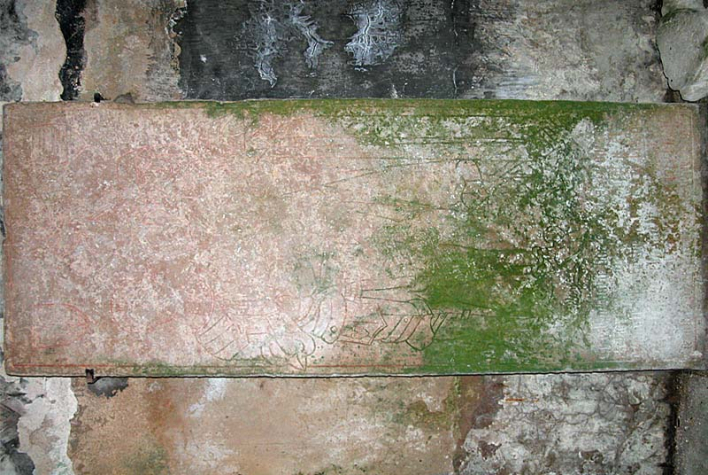
From this funerary chapel, the Trestondams, lords of Montormentier, and their successors, were able to attend church without being seen by other parishioners. Attracted by this legendary land, Lord Richard de Trestondam, on the death of his wife Henriette de Saint-Seine, erected this chapel in 1467 for the dead of his noble family. Their tombstones can be seen in this chapel, known as the Trestondam Chapel. The central part of the chapel is entered via a gently sloping porch, where a stone engraved with a tau, the initial of the word temple, can be seen in front of the door, and a cross engraved above the door representing not the Order of the Knights Templar, present in the region, particularly in La Romagne, but Saint Anthony of Vienne. However, the Templars did own land in Montormentier. The sacristy, the Trestondam chapel, was the funeral chapel of this family for nearly three centuries, and the lords of Percey were buried there. This building has been listed as a historic monument since 1939. The statuary in the choir consists mainly of a Saint Peter crowned with a tiara and a Virgin and Child, both of which were listed in 1971.
Etymologically, Montormentier is said to be the Mount of Torments. According to legend, a pyre was erected at Montormentier to burn Brunehaut, Queen of Austrasia, a victim of the wars between Clovis' successors, who was dragged by horses from Renève to Montormentier.
Chapelle de Trestondam de Montormentier