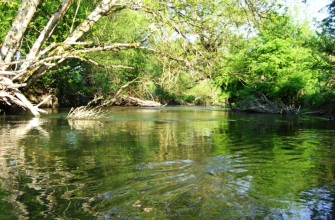
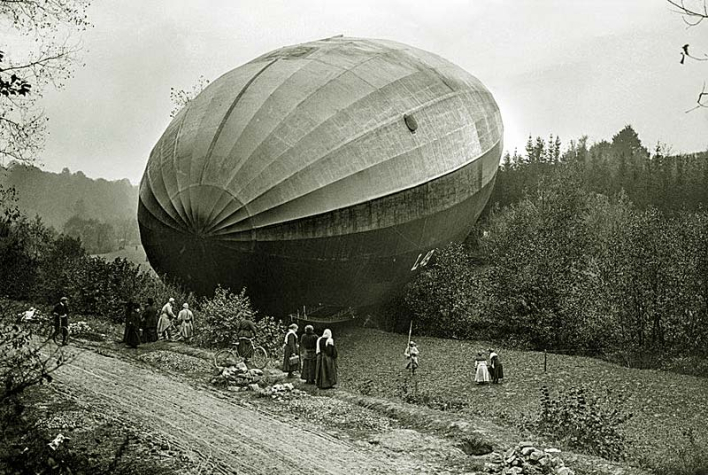
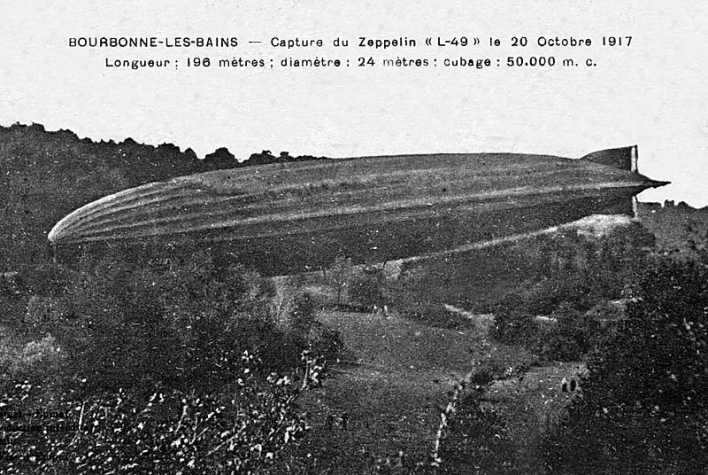
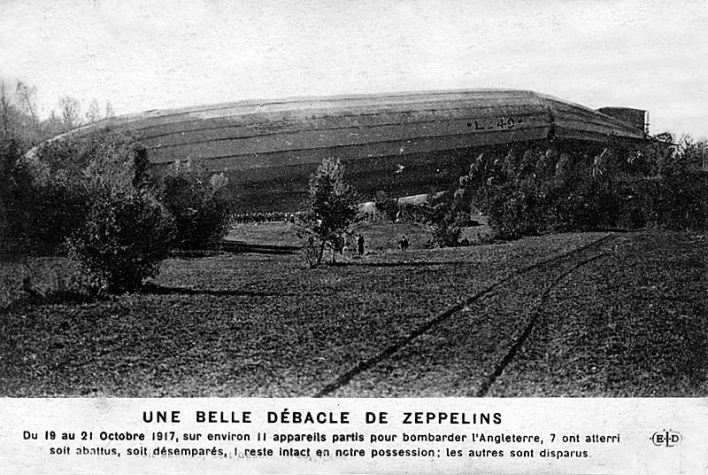
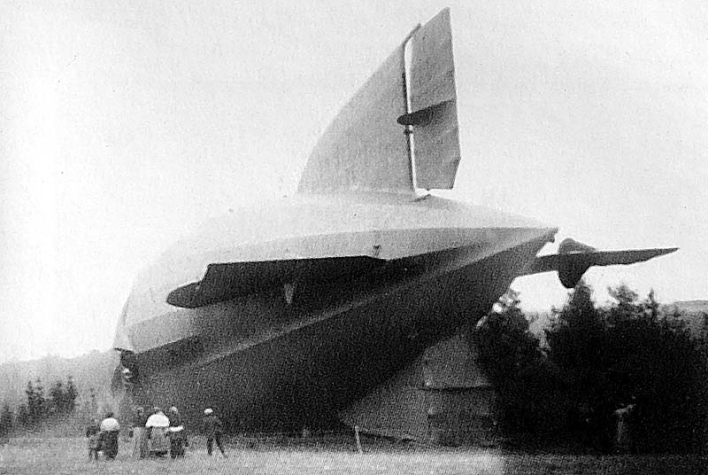
"Here the Zeppelin L.49 was shot down on 20 October 1917". This is the inscription engraved on the marker. "On the night of 19 to 20 October 1917, thirteen large naval Zeppelins flew over England. On their return to Germany, the winds were against them. Only two of the aircraft were able to return to their base via the North Sea. The other eleven were thrown back over French territory. At six o'clock in the morning on 20 October, three of them, working together, tried to break through our lines between Lunéville and Baccarat. At 6.45 am the 1st went down in flames in the commune of St Clément, Meurthe et Moselle. The second, the L-49, which was pursued for two hours by our aircraft, was forced to land on the banks of the small river Apance, at a place called Les Cornets in the commune of Serqueux near Bourbonne Les Bains. The aircraft was intact and the crew, led by Captain Gayer, aged 28, who thought they were on Dutch soil, were captured.
The only Zeppelin captured intact: the monster is there, dressed in black, coated with a shiny varnish, with its registration number on the front: "L.49". It is almost 200 metres long, with a diameter of 25 metres at the master torque, a volume of over 50,000 cubic metres and a total laden weight of 60 tonnes. What a mastodon! His commander was about to set fire to her (imperative instructions) when a local hunter, at gunpoint, prevented him from doing so.
The 19 prisoners were taken under escort to Bourbonne. A few days after the Zeppelin landed intact, the French government announced that the main parts of the imposing trophy would soon be displayed in Paris on the Place des Invalides. Dismantled piece by piece, most of the Zeppelin was transported by rail from Bourbonne Les Bains to Paris, ending its career as a war trophy and museum piece.
Borne du Zeppelin