The first mention of "grangia de Vallibus" dates back to 1140 and referred to an establishment of canons regular. Between 1138 and 1154, the Bishop of Langres gave Vaux-la-Douce to the Abbey of Clairefontaine, which established a Cistercian abbey there between 1165 and 1172.
Vaux-la-Douce was home to a men's abbey, which gave rise to the village of the same name (from the Latin "dulcis vallis", gentle valley). The first foundation by Canons Regular dates from the 11th century and became, as a result of abandonment, the Grange de Doucevaux, belonging to the Abbey of Clairefontaine (Haute-Saône).
The first mention of "grangia de Vallibus" dates back to 1140 and referred to an establishment of Canons Regular. Between 1138 and 1154, the Bishop of Langres gave Vaux-la-Douce to Clairefontaine Abbey, which established a Cistercian abbey there between 1165 and 1172.
The Sires de Choiseul are buried here. Legend has it that Gengoulf retired there and was murdered by his wife's lover.
The abbey was dismantled during the French Revolution and all its possessions dispersed. The present-day church was the chapel. Inventories drawn up around 1790 give a glimpse of the past wealth of this ecclesiastical establishment (numerous large paintings, important organs, monumental choir stalls, etc.).
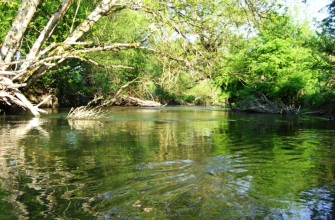
All that remains of the building, which was destroyed during the Revolution, are a few vestiges that cannot be visited (private property). However, the site, in a steep-sided valley, is typical of Cistercian abbeys and offers beautiful scenery.
Abbaye de Vaux-la-Douce