Founded by Etienne Harding during Bernard de Clairvaux's lifetime, it is the second Cistercian abbey for women and the daughter of the Abbey of Tart, near Citeaux.
It was founded in 1126 by Pétronille d'Achey, sister of the Lord of Coublanc.
It immediately received numerous donations, along with the hill of Belmont, arousing the envy that would not be extinguished in the course of history. From the outset, it was supported by the Tart, and was followed by the abbot of Cîteaux.
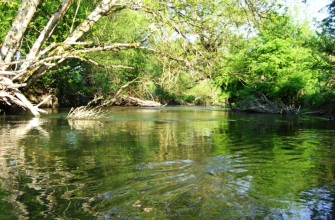
Even in the modesty of its early years, with its "poor little house", it was an Abbey that showed the characteristics of the Cistercian Abbey of the Valley, isolated, close to the river, useful for the mill, and the road, an ancient Roman road.
The nuns adopted the same Benedictine and Cistercian rules as the men. A bull from the first Cistercian Pope, Eugene III, soon placed them and their lands directly under the protection of the Papacy and exempted them from all rights vis-à-vis the lords.
Until 1611, they thus remained free and vulnerable at the same time, dependent neither on the sovereign, nor on Champagne, nor on Burgundy, nor on Franche-Comté, neither in terms of their jurisdiction nor otherwise.| Donations multiplied with numerous estates and the parishes of Grenant, Frettes and Tornay. The nuns appointed the parish priests.
From the 15th century onwards, the village grew. But this prosperity led to looting, especially during the Hundred Years' War and the Reformation. The Abbey had to be abandoned several times or was now run by just two nuns.
In 1611, it became a Royal Abbey. The abbesses, who had previously been elected by the nuns, were now appointed by the King. Prior to this date, the Abbey was representative of the local aristocracy, both through its abbesses and its protectors. The de Coublanc and d'Achey families were joined by the de Grenant, de Montsaugeon, du Pailly and de Choiseul families. Although the abbess was of high birth, the nuns were of mixed social classes, as no proof of nobility was required to enter Belmont.
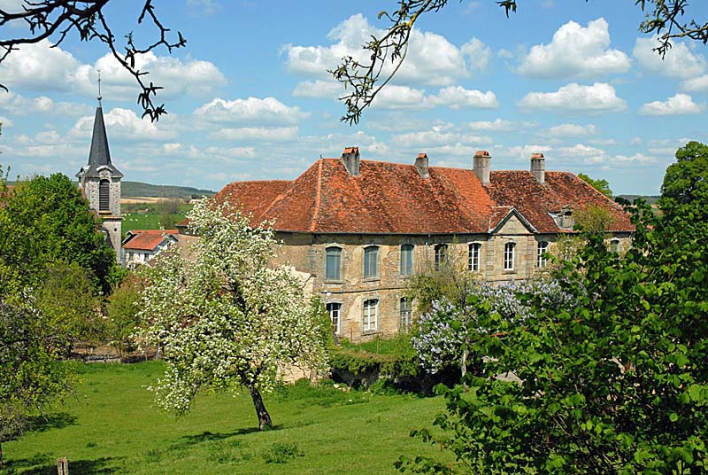
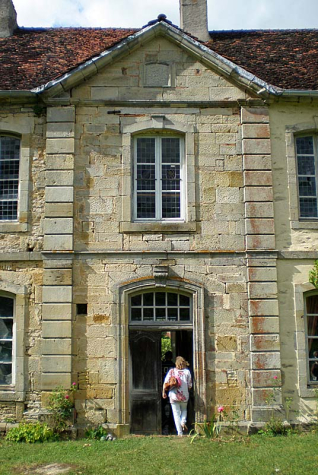
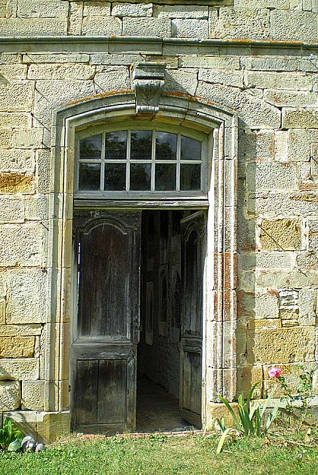
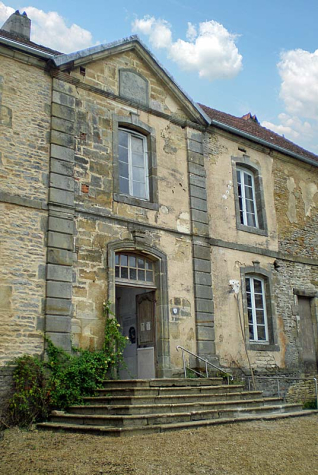
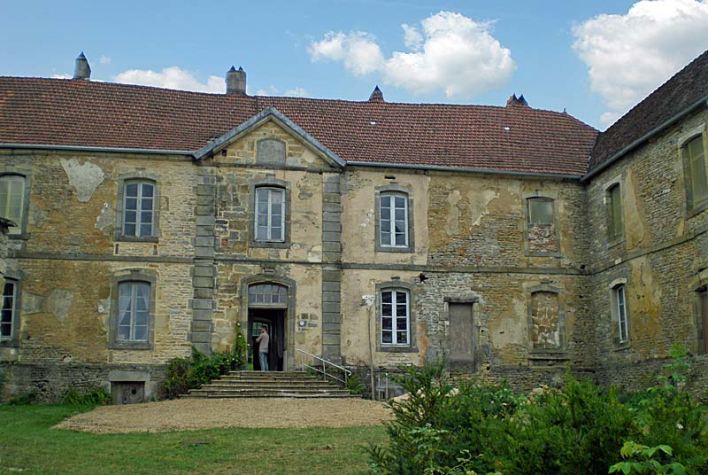
Belmont was very popular in the 18th century; from 1740 onwards, a programme of comprehensive reconstruction in the taste of the time began, eliminating the medieval buildings. A series of buildings were created, including the Maison des Hôtes (guest house) for the chaplain and visitors, which remains the only part of the estate that has not been altered, along with its orchard and original courtyard.
All the property was sold in 1790. The last nuns were expelled in 1792.
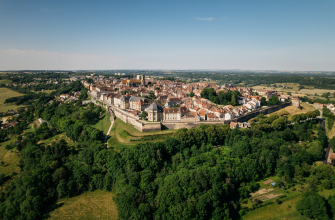
The village became an independent commune of Bussières in 1831.
The church was bought back by the parishioners.
The Abbey had been consecrated to Notre-Dame in her Assumption. In 1871, a chapel was built on the hill for Notre-Dame de la Paix, Belmont having been spared by Prussian troops in 1870.
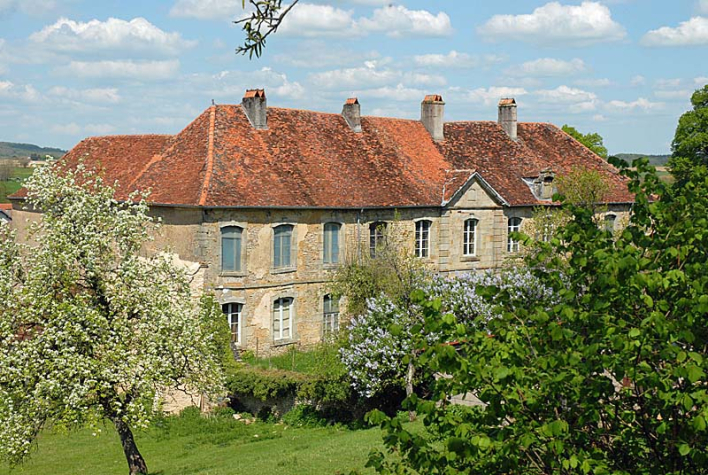
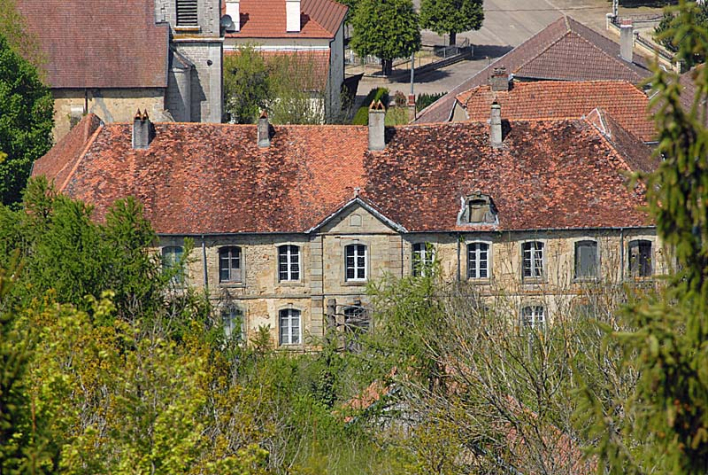
What remains of the abbey today is the abbey chapel, enlarged in the 19th century to become a parish church, parts of the conventual building, traces of the 18th-century enclosure, the guest house and its orchard.
Private site: view of the outside of the property.
Abbaye de Belmont